H/W 10th November 2017
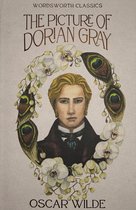
Elements of a Gothic novel in The Picture of Dorian Gray – Notes
2.1 The genre of the Gothic novel
Introduced in the early 18th century
‘Gothic’ used to refer to the German tribe of the Goths, later on signified ‘Germanic’ then
‘medieval’, no identifies a style of architecture
Initiated by Warpol’s Castle of Otranto, a Gothic Story (1764) then spread over the 19th
century
Castles, crypts, gloomy mansions, convents were popular settings
Use of supernatural elements
Emerged directly from changes in the cultural emphasis of the 18 th century; stood for the
contrast between the old-fashioned and the modern, barbaric opposed to the civilised,
English opposed to the European/ French
Gothic was always the archaic/ pagan which refused to yield to the establishment of civilised
society
a famous passage shows the wa poets predicted the movement of the Gothic fiction can be
found in Night-Piece on Death by Parnell (1722) – Parnell says something radical for the
times: is not impressed by the limits of the human species; can only explore the secrets of
life via death
2.2 Typical motifs and characters
uncanny environments
supernatural
monsters
doppelgängers
magical objects
femme fatals
demons
walking skeletons
the devil
witches/ witchcraft
science for a bad purpose
2.3 Famous works
The castle of Otranto – Horace Warpol – 1764 – started the genre
Northanger Abbey – Jane Austen – 1818 – a parody making fun of the vast interest of society
in Gothic novels, marked the end of the genre’s first phase
The Strange Case of Dr. Jekyll and Mr. Hyde – Robert Louis Stevenson – 1886 – introduced
the ‘Gothic Revival’
3.1 The time of writing
At the last decades of the Victorian period, the golden age for the genre had passed
There was a curious revival due to R.L. Stevenson and Bram Stoker
Elements of a Gothic novel in The Picture of Dorian Gray – Notes
2.1 The genre of the Gothic novel
Introduced in the early 18th century
‘Gothic’ used to refer to the German tribe of the Goths, later on signified ‘Germanic’ then
‘medieval’, no identifies a style of architecture
Initiated by Warpol’s Castle of Otranto, a Gothic Story (1764) then spread over the 19th
century
Castles, crypts, gloomy mansions, convents were popular settings
Use of supernatural elements
Emerged directly from changes in the cultural emphasis of the 18 th century; stood for the
contrast between the old-fashioned and the modern, barbaric opposed to the civilised,
English opposed to the European/ French
Gothic was always the archaic/ pagan which refused to yield to the establishment of civilised
society
a famous passage shows the wa poets predicted the movement of the Gothic fiction can be
found in Night-Piece on Death by Parnell (1722) – Parnell says something radical for the
times: is not impressed by the limits of the human species; can only explore the secrets of
life via death
2.2 Typical motifs and characters
uncanny environments
supernatural
monsters
doppelgängers
magical objects
femme fatals
demons
walking skeletons
the devil
witches/ witchcraft
science for a bad purpose
2.3 Famous works
The castle of Otranto – Horace Warpol – 1764 – started the genre
Northanger Abbey – Jane Austen – 1818 – a parody making fun of the vast interest of society
in Gothic novels, marked the end of the genre’s first phase
The Strange Case of Dr. Jekyll and Mr. Hyde – Robert Louis Stevenson – 1886 – introduced
the ‘Gothic Revival’
3.1 The time of writing
At the last decades of the Victorian period, the golden age for the genre had passed
There was a curious revival due to R.L. Stevenson and Bram Stoker