
lOMoAR cPSD| 67756003
MODULE 2
2.1 INTRODUCTION
WATCH VIDEO 2.1 PART 1
Nonprescription medications, perhaps more commonly known as over-
thecounter (OTC) medications, are medications that are available without a
prescription and are available in most cases without restriction. There are a few
medications that do not require a prescription but are kept behind the pharmacy
counter and ID is required for purchase. An example of this would be any medication
containing the decongestant pseudoephedrine. Pseudoephedrine when combines with
other easily obtainable items can be used to make crystal meth. In recent years, many
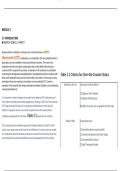
Table 2.1 Criteria for Over-the-Counter Status
medications that once required a prescription are now available OTC. Common
examples of this would be the allergy medication loratadine (Claritin) or the acid blocker Indications for use Consumer must be able to:
esomeprazole (Nexium).
Diagnose the condition
It is important to note the degree of oversight varies between OTC medications and Monitor effectiveness
other options like dietary and herbal supplements. Starting in 1972, the FDA started an
OTC drug review with the goal of ensuring these medications are both safe and Benefits of correct use are greater than the risks
effective. In general, there are commonly accepted criteria that would make a
medication appropriate for OTC status. Table 2.1 below lists this criterion.
Safety Profile Drugs Must have:
The second goal was to establish appropriate labeling standards. During this initial
review, many drugs were either found to be ineffective or in some cases even unsafe. Favorable adverse events profile
The medications determined to be unsafe were removed from the market. Over time, Limited interactions with other drugs
most drugs that were deemed ineffective have also disappeared from the shelves. Low potential for abuse
High Therapeutic Index
, lOMoAR cPSD| 67756003
Practicality for OTC Use Drugs must be:
It is important to keep in mind that OTC medications are not without their risks,
Easy to use especially for patients that may have other comorbidities (other chronic diseases). Many
of the medications available over the counter may cause harm in patients with diseases
Easy to monitor
such as diabetes, hypertension, cardiovascular disease, and glaucoma. It is important to
educate patients that have comorbidities to ask a
health care professional prior to taking OTC medications, especially if they intend to take
the medication continuously.
In most cases, OTC medications are simply treating symptoms and are not getting to the
cause of the problem. In some cases, the use of OTC medication can prevent someone
from seeking the necessary treatment needed for the
underlying cause of their symptoms. In other cases, such as the common cold, the
symptoms will resolve on their own. The OTC medications do not shorten the length of
the cold; they only help ease the patient’s discomfort. For this reason, depending on the
patient’s comorbidities, it may be appropriate to recommend against a certain OTC
treatment.
Drug Facts Labels Figure 2.1 Example of a Drug Facts Label
WATCH VIDEO 2.1 PART 2
As a result of the FDA review of OTC medications, a new requirement was established
stating that all OTC medications were to include a ‘Drug Facts’ label with the following
information: purpose and uses of the product, specific warnings, side effects, substances
, lOMoAR cPSD| 67756003
or activities to avoid, dosage ingredients, and active ingredients, warning, storage
information, and inactive ingredients.
Although all consumers should understand the ‘Drug Facts’ label on OTC medications, it is
especially important for health care professionals to understand this label. As shown in
Figure 2.1 below, the Drug Facts label is a representation of what would be found on
a typical OTC medication available today.
, lOMoAR cPSD| 67756003
Uses: The recommended uses of the drug are listed out for the consumer.
Warnings: As previously mentioned, there are many OTC medications that may
not be safe if you have other comorbidities. Essential information is usually included
under this section. Additional information within this section may include when to
consult a doctor or pharmacist prior to use as well as common side effects that can
occur. For instance, there is often a statement regarding if a patient is pregnant or
breastfeeding, then they should ask their health care professional prior to use. This is
the case even for medications that are rated a pregnancy category A (see Module 1). A
warning for keeping medication out of the reach of children is also included in this
section.
Directions: Standard dosages are often divided by age and include information
on the amount/number and frequency someone should take of the medication.
Other Information: This section often contains important information
relative to the proper storage conditions. Avoiding certain conditions such as extremes
in temperate (cold or hot) or excessive moisture ensures the stability of the medication.
Inactive Ingredients: The presence of certain ingredients, although
inactive, may cause unwanted allergic reactions.
It is important to keep in mind that OTC medications are generally intended for short
term use. If a patient feels that they need an OTC medication for daily use
for more than a 7–10-day period, that patient should seek the advice of a health
MODULE 2
2.1 INTRODUCTION
WATCH VIDEO 2.1 PART 1
Nonprescription medications, perhaps more commonly known as over-
thecounter (OTC) medications, are medications that are available without a
prescription and are available in most cases without restriction. There are a few
medications that do not require a prescription but are kept behind the pharmacy
counter and ID is required for purchase. An example of this would be any medication
containing the decongestant pseudoephedrine. Pseudoephedrine when combines with
other easily obtainable items can be used to make crystal meth. In recent years, many
Table 2.1 Criteria for Over-the-Counter Status
medications that once required a prescription are now available OTC. Common
examples of this would be the allergy medication loratadine (Claritin) or the acid blocker Indications for use Consumer must be able to:
esomeprazole (Nexium).
Diagnose the condition
It is important to note the degree of oversight varies between OTC medications and Monitor effectiveness
other options like dietary and herbal supplements. Starting in 1972, the FDA started an
OTC drug review with the goal of ensuring these medications are both safe and Benefits of correct use are greater than the risks
effective. In general, there are commonly accepted criteria that would make a
medication appropriate for OTC status. Table 2.1 below lists this criterion.
Safety Profile Drugs Must have:
The second goal was to establish appropriate labeling standards. During this initial
review, many drugs were either found to be ineffective or in some cases even unsafe. Favorable adverse events profile
The medications determined to be unsafe were removed from the market. Over time, Limited interactions with other drugs
most drugs that were deemed ineffective have also disappeared from the shelves. Low potential for abuse
High Therapeutic Index
, lOMoAR cPSD| 67756003
Practicality for OTC Use Drugs must be:
It is important to keep in mind that OTC medications are not without their risks,
Easy to use especially for patients that may have other comorbidities (other chronic diseases). Many
of the medications available over the counter may cause harm in patients with diseases
Easy to monitor
such as diabetes, hypertension, cardiovascular disease, and glaucoma. It is important to
educate patients that have comorbidities to ask a
health care professional prior to taking OTC medications, especially if they intend to take
the medication continuously.
In most cases, OTC medications are simply treating symptoms and are not getting to the
cause of the problem. In some cases, the use of OTC medication can prevent someone
from seeking the necessary treatment needed for the
underlying cause of their symptoms. In other cases, such as the common cold, the
symptoms will resolve on their own. The OTC medications do not shorten the length of
the cold; they only help ease the patient’s discomfort. For this reason, depending on the
patient’s comorbidities, it may be appropriate to recommend against a certain OTC
treatment.
Drug Facts Labels Figure 2.1 Example of a Drug Facts Label
WATCH VIDEO 2.1 PART 2
As a result of the FDA review of OTC medications, a new requirement was established
stating that all OTC medications were to include a ‘Drug Facts’ label with the following
information: purpose and uses of the product, specific warnings, side effects, substances
, lOMoAR cPSD| 67756003
or activities to avoid, dosage ingredients, and active ingredients, warning, storage
information, and inactive ingredients.
Although all consumers should understand the ‘Drug Facts’ label on OTC medications, it is
especially important for health care professionals to understand this label. As shown in
Figure 2.1 below, the Drug Facts label is a representation of what would be found on
a typical OTC medication available today.
, lOMoAR cPSD| 67756003
Uses: The recommended uses of the drug are listed out for the consumer.
Warnings: As previously mentioned, there are many OTC medications that may
not be safe if you have other comorbidities. Essential information is usually included
under this section. Additional information within this section may include when to
consult a doctor or pharmacist prior to use as well as common side effects that can
occur. For instance, there is often a statement regarding if a patient is pregnant or
breastfeeding, then they should ask their health care professional prior to use. This is
the case even for medications that are rated a pregnancy category A (see Module 1). A
warning for keeping medication out of the reach of children is also included in this
section.
Directions: Standard dosages are often divided by age and include information
on the amount/number and frequency someone should take of the medication.
Other Information: This section often contains important information
relative to the proper storage conditions. Avoiding certain conditions such as extremes
in temperate (cold or hot) or excessive moisture ensures the stability of the medication.
Inactive Ingredients: The presence of certain ingredients, although
inactive, may cause unwanted allergic reactions.
It is important to keep in mind that OTC medications are generally intended for short
term use. If a patient feels that they need an OTC medication for daily use
for more than a 7–10-day period, that patient should seek the advice of a health


