

NUR 304 EXAM 2 QUESTIONS AND ANSWERS
(VERIFIED ANSWERS) NEW UPDATE 2026/27 |
GRADED A+
Save
Terms in this set (144)
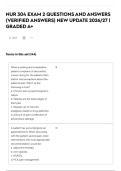
When a smiling and cooperative B
patient complains of discomfort,
nurses caring for the patient often
harbor misconceptions about the
patient's pain. Which of the
following is true?
a. Chronic pain is psychological in
nature
b. Patients are the best judges of
their pain
c. Regular use of narcotic
analgesics leads to drug addiction
d. Amount of pain is reflective of
actual tissue damage
A patient has just undergone an D
appendectomy. When discussing
with the patient several pain-relief
interventions, the most appropriate
recommendation would be:
a. adjunctive therapy.
b. non-opioids.
c. NSAIDs.
d. PCA pain management.
, A postoperative patient is using A
PCA. You will evaluate the
effectiveness of the medication
when:
a. you compare assessed pain w/
baseline pain.
b. body language is incongruent
with reports of pain relief.
c. family members report that pain
has subsided.
d. vital signs have returned to
baseline
An elderly patient who lives in an B
adult assisted-living facility
mentions that he is experiencing
hearing and vision changes. During
your assessment, you would
associate this type of sensory
deprivation with:
a. stable affect.
b. altered perception.
c. improved task completion.
d. increased need for social
interaction.
(VERIFIED ANSWERS) NEW UPDATE 2026/27 |
GRADED A+
Save
Terms in this set (144)
When a smiling and cooperative B
patient complains of discomfort,
nurses caring for the patient often
harbor misconceptions about the
patient's pain. Which of the
following is true?
a. Chronic pain is psychological in
nature
b. Patients are the best judges of
their pain
c. Regular use of narcotic
analgesics leads to drug addiction
d. Amount of pain is reflective of
actual tissue damage
A patient has just undergone an D
appendectomy. When discussing
with the patient several pain-relief
interventions, the most appropriate
recommendation would be:
a. adjunctive therapy.
b. non-opioids.
c. NSAIDs.
d. PCA pain management.
, A postoperative patient is using A
PCA. You will evaluate the
effectiveness of the medication
when:
a. you compare assessed pain w/
baseline pain.
b. body language is incongruent
with reports of pain relief.
c. family members report that pain
has subsided.
d. vital signs have returned to
baseline
An elderly patient who lives in an B
adult assisted-living facility
mentions that he is experiencing
hearing and vision changes. During
your assessment, you would
associate this type of sensory
deprivation with:
a. stable affect.
b. altered perception.
c. improved task completion.
d. increased need for social
interaction.


