MDC 2 Module 1:NUR 2392:NUR 2392 MDC 2 Module 1 – Prevention, Treatment & Management of Oncological Disorders
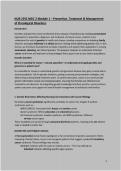
Why is it essential for nurses—not just specialists—to understand and apply genetics and genomics in patient care? It is essential for nurses to understand genetics and genomics because they play a crucial role in assessing patients' risk for genetic disorders, guiding screening and prevention strategies, and determining individualized treatment plans. As patient advocates, nurses must communicate genetic information clearly and compassionately, ensuring that families are informed and involved in care decisions. By integrating genetic knowledge into their practice, nurses enhance patient outcomes and support the overall health management of individuals and families. 1. Genetic Risk Factors Affecting Nursing Care Associated with Cancer Etiology Hereditary cancer syndromes significantly contribute to cancer risk. Chapter 6 outlines syndromes such as: BRCA1/BRCA2: Associated with breast and ovarian cancer. Lynch syndrome: Affects colorectal and endometrial cancers. Li-Fraumeni syndrome, Cowden syndrome, and MEN syndromes: Influence various cancer types. These mutations are passed through autosomal dominant patterns, meaning only one altered copy is needed to confer risk. Genetic Risk and Pedigree Analysis A three-generation family history (pedigree) is the cornerstone of genetic assessment. When reviewing a family history, nurses must recognize patterns that suggest a potential hereditary cancer syndrome. These red flags may include: Multiple relatives with the same or related cancers – This may indicate an inherited mutation affecting specific organ systems.2 Cancers occurring at younger-than-average ages – Early onset (e.g., breast cancer before age 50) raises suspicion for inherited risk. Individuals with multiple primary cancers – Having more than one distinct cancer (e.g., colon and uterine) may reflect a genetic predisposition. Nursing strategies should respect patients' and families' preferences while discussing genetic risks and counseling. Socratic Question What role does nursing assessment play in identifying patients who may benefit from genetic counseling or testing? Nursing assessment is critical in identifying patients who could benefit from genetic counseling or testing through the collection of comprehensive family histories, recognizing patterns of hereditary cancers, and understanding the implications of genetic risks. This proactive approach helps guide appropriate referrals to genetic specialists and ensures that patients are informed about their potential risks and options. 2. Nursing and Collaborative Care Interventions for Clients with Oncological Disorders Cancer nursing involves managing a wide array of physical, psychosocial, and spiritual responses to treatment across the disease trajectory. Nurses are instrumental in delivering evidence-based and compassionate interventions, identifying oncologic emergencies, and providing supportive care tailored to individual treatment regimens. Nursing Care for Patients Undergoing Cancer Treatment Includes: Administering chemotherapy and managing adverse reactions. Monitoring for infection, bleeding, and fatigue. Educating patients on adverse effects such as nausea, vomiting, and pain. Implementing proactive interventions for patients with chemotherapy-induced nausea. Monitoring renal and hepatic function, especially during nephrotoxic therapy. Infusion Reactions and Emergencies Oncologic emergencies such as superior vena cava syndrome, spinal cord compression, or extravasation from chemotherapy demand rapid assessment and intervention. Nurses must recognize early symptoms—such as dyspnea, tachycardia, severe distress—and discontinue infusions promptly when indicated. Socratic Question
Document information
- Uploaded on
- May 14, 2026
- Number of pages
- 21
- Written in
- 2025/2026
- Type
- Exam (elaborations)
- Contains
- Questions & answers