

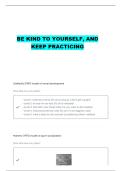
Seefeldt's (1987) model of moral development
Give this one a try later!
--Level 1: external control (it's ok as long as I don't get caught)
--Level 2: an eye-for-an-eye (it's ok to retaliate)
--Level 3: Altruistic view (treat others as you want to be treated)
--Level 4: following external rules (it's ok if it isn't against rules)
--Level 5: what is best for all involved (considering others' welfare)
Martens' (1975) model of sport socialization
Give this one a try later!
, Hostile aggression
Give this one a try later!
--intent to harm
--goal to harm
--anger
What are the five core principles of coaching behavior as to athlete self-esteem and
motivation?
Give this one a try later!
1. Winning=maximum effort, improvement
2. Liberal use of contingent positive reinforcement
3. Establish norms that emphasize athletes' mutual obligations to
help/support each other
4. Involve athletes in decisions about team rules and compliance
5. Self-monitor behavior and get feedback
Moral reasoning
Give this one a try later!
Give this one a try later!
--Level 1: external control (it's ok as long as I don't get caught)
--Level 2: an eye-for-an-eye (it's ok to retaliate)
--Level 3: Altruistic view (treat others as you want to be treated)
--Level 4: following external rules (it's ok if it isn't against rules)
--Level 5: what is best for all involved (considering others' welfare)
Martens' (1975) model of sport socialization
Give this one a try later!
, Hostile aggression
Give this one a try later!
--intent to harm
--goal to harm
--anger
What are the five core principles of coaching behavior as to athlete self-esteem and
motivation?
Give this one a try later!
1. Winning=maximum effort, improvement
2. Liberal use of contingent positive reinforcement
3. Establish norms that emphasize athletes' mutual obligations to
help/support each other
4. Involve athletes in decisions about team rules and compliance
5. Self-monitor behavior and get feedback
Moral reasoning
Give this one a try later!


