Rukhsar Yazmin
“In Duffy’s collection what is sorely missing is sisterhood and the idea that women are
stronger together”
To what extent do you agree with this evaluation?
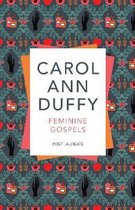
The Feminine Gospels is presented as a collection of poems revolving around the
experiences that many women face and is a collection built upon the foundation of being
‘gospels’, biblically referencing the idea of truth and revelation, conveying how Duffy is
presenting the truth of women’s lives. These typical experiences share a sense of solidarity
between women, a sisterhood that has support and strength in overcoming societies
inequalities. However, in many of these poems there is also a sense of isolation; Duffy
repeatedly conveys how the story of a women is often a stigmatised and lonely one. Women
often endure their journeys alone, rather than in cohesion with other women.
Often in society, women are marginalised for not conforming to societies expectations,
whether it be beauty standards or traditional gender norms, women who deter from the
path are stigmatised and are intentionally neglected for their ‘rebellious’ natures. Duffy
seeks to convey this segregation through her poem ‘Tall’, which portrays the journey of a
woman ‘othered’ by society by her physical height and her deemed ‘lack of femininity’, since
in modern society being tall is viewed as unideal. This isolation is evident in the line of
‘Colder, aloner, no wiser’. The power of three presents how she has been disregarded, she’s
completely disconnected from society. The adjective of ‘colder’ conveys the emptiness that
the woman feels; she has no warmth or support around her. Duffy has created this sense of
loneliness in her female character to present that despite this isolation being a common
problem for women, society has made them feel as if it’s a punishment to suffer alone. This
theme of loneliness is further seen in the short sentence ‘she needed a turret’. A ‘turret’ is
similar to that of a castle and could be a reference to fantastical fairy tales, which often
portrays the damsel in distress, locked away in a tower, completely abandoned. Duffy is
presenting the female protagonist in a tower to convey that, as seen in fairy tales
repeatedly, women who don’t conform must face the consequences of their action, for
example in Red riding hood. Furthermore, like in fairy tales, there is a lack of sisterhood in
Tall, and rather than women being stronger together they’re pushed further apart. This is
evident in the line ‘small women, with questions and worries’. The line conveys the
difference between her and other women, she’s physically unlike them but also she lacks
the stereotypical qualities of femininity- she doesn’t have ‘questions and worries’, which are
conventional female attributes. Duffy evokes the idea in ‘Tall’ that not only are women
demonised for their differences, as seen in the line ‘ Crowds swarmed round her feet’, but
they’re also made to feel secluded as if they’re the only woman in the world to be different,
conveying the lack of sisterhood and community.
However, it can’t be argued that all poems in the collection of ‘Feminine Gospels’ are lacking
in sisterhood, as the first poem ‘The Long Queen’ is fundamentally about female solidarity
and conveys the celebration of women in time. The Long queen has been argued to elude to
Elizabeth I and conveys ideas of subverting traditional female roles due to the fact that
Elizabeth never married and had no children- actions which completely opposed gender
norms in the Tudor era. Duffy presents the first poem in the collection as a patron saint for
women, she’s embodied as the figure head of womanhood and is presented as the ‘mother
“In Duffy’s collection what is sorely missing is sisterhood and the idea that women are
stronger together”
To what extent do you agree with this evaluation?
The Feminine Gospels is presented as a collection of poems revolving around the
experiences that many women face and is a collection built upon the foundation of being
‘gospels’, biblically referencing the idea of truth and revelation, conveying how Duffy is
presenting the truth of women’s lives. These typical experiences share a sense of solidarity
between women, a sisterhood that has support and strength in overcoming societies
inequalities. However, in many of these poems there is also a sense of isolation; Duffy
repeatedly conveys how the story of a women is often a stigmatised and lonely one. Women
often endure their journeys alone, rather than in cohesion with other women.
Often in society, women are marginalised for not conforming to societies expectations,
whether it be beauty standards or traditional gender norms, women who deter from the
path are stigmatised and are intentionally neglected for their ‘rebellious’ natures. Duffy
seeks to convey this segregation through her poem ‘Tall’, which portrays the journey of a
woman ‘othered’ by society by her physical height and her deemed ‘lack of femininity’, since
in modern society being tall is viewed as unideal. This isolation is evident in the line of
‘Colder, aloner, no wiser’. The power of three presents how she has been disregarded, she’s
completely disconnected from society. The adjective of ‘colder’ conveys the emptiness that
the woman feels; she has no warmth or support around her. Duffy has created this sense of
loneliness in her female character to present that despite this isolation being a common
problem for women, society has made them feel as if it’s a punishment to suffer alone. This
theme of loneliness is further seen in the short sentence ‘she needed a turret’. A ‘turret’ is
similar to that of a castle and could be a reference to fantastical fairy tales, which often
portrays the damsel in distress, locked away in a tower, completely abandoned. Duffy is
presenting the female protagonist in a tower to convey that, as seen in fairy tales
repeatedly, women who don’t conform must face the consequences of their action, for
example in Red riding hood. Furthermore, like in fairy tales, there is a lack of sisterhood in
Tall, and rather than women being stronger together they’re pushed further apart. This is
evident in the line ‘small women, with questions and worries’. The line conveys the
difference between her and other women, she’s physically unlike them but also she lacks
the stereotypical qualities of femininity- she doesn’t have ‘questions and worries’, which are
conventional female attributes. Duffy evokes the idea in ‘Tall’ that not only are women
demonised for their differences, as seen in the line ‘ Crowds swarmed round her feet’, but
they’re also made to feel secluded as if they’re the only woman in the world to be different,
conveying the lack of sisterhood and community.
However, it can’t be argued that all poems in the collection of ‘Feminine Gospels’ are lacking
in sisterhood, as the first poem ‘The Long Queen’ is fundamentally about female solidarity
and conveys the celebration of women in time. The Long queen has been argued to elude to
Elizabeth I and conveys ideas of subverting traditional female roles due to the fact that
Elizabeth never married and had no children- actions which completely opposed gender
norms in the Tudor era. Duffy presents the first poem in the collection as a patron saint for
women, she’s embodied as the figure head of womanhood and is presented as the ‘mother