
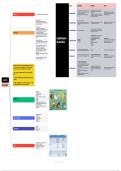
types description location notes
Present particularly over extensor surfaces
-Sharply demarcated, scaly red plaques vary in
,elbow, Knees, Lower backand scalp as are
diameter from one toseveral centimeters, and •Auspitz’s sign: removal of the thinned
hands and feet.
Plaque Psoriasis are oval or irregular in shape
-The degree of body surface are involvement
suprapillary epidermis, bygentle scraping,
definition Is a chronic inflammatory, polygenic skin disease -Although it chronic,period of remission do reveals bleeding points.
vary, may be only asingle one or multiple, which
occur
be symmetrically distributed
1)Cellular aspects :
Involve interplay between keratinocyte -Acute form of a disease
-Small, Scattered ,round or tear drop-shaped -Preceding severe upper respiratory infection Prognosis is excellent in children ,in adults,
,dendritic , Langerhans cells , natural killer and Guttate psoriasis pink or red , S papules , with or without scales - Childhood to young adulthood the lesions can become chronic .
neutrophil (immune cells)
can recur
T cell dysfunction :
A. Under any environmental antigen
Characterized by well-defined erythematous
,keratinocytes stimulted proliferate and release
antimicrobial peptides formed a complex, Flexural psoriasis Scaling is minimal or absent areas in the axillae, groin, natal cleft, beneath
the breasts and in skinfolds.
Pathogenesis which activation dendritic cells
B. Later, dendritic cells leading to T h1 and Th
17 activation and proliferation. Therefore, time
necessary for epidermal cell turnover is 3- 4 1. Generalized type: multiple sterlie pustules
on erythematous bacK ground with
days.
Cytokines & Chemokines:
classification Two types :
constitutional symptoms such as fever
-Triggering factors:
2.Localized type:
this can be seen during the unstable phase of
Pustular psoriasis: 1.Generlized
of psoriasis
a. IL-23, and TNF-alpha produced by denditaric pregnancy chronic plaque psoriasis following the
2.Localized rapid tapering of steroid
cells which activite T cell-->Th 17 cells -->IL application of irritants e.g. tars
-22 infection
b. IL-17 cytokines,secrete by Th 17 cells, act hypocacemia
directly on keratinocytes promotes
keratinocytes abnormal proliferation
c. IFN- Ɣ, IL-2 secrets by Th1 T- cells which a more diffuse erythematous eruption with
mediate interaction between T cells and
Napkin psoriasis exudative rather than scaling lesions in children
diperr area may present with typical psoriatic lesions
keratinocyte.
d. Chemokines :attract neutrophils from vessel
to the tissue. is a serious, even life threatening condition with Triggers for erythrodermic psoriasis: Complications :
Erythrodermic confluent erythema affecting nearly all of the -include withdrawal of systemic steroids, Heart failure, hypothermia, dehydration, low
Angiogenesis: Proliferation of dermal vessels skin infections, protein and consequent oedema,
due to vascular endothelial g
•There are five recognized patterns of
arthropathy associated withpsoriasis.
-The distal interphalangeal (DIP) joints are most
Prevalence of Psoriasis is world wide prevalence is about commonly affected (metacarpophalangeal
Characteristically, patients develop skin
joints are spared).
2% ,can be reach to more than 4% in US ,While, among - Painful ,Stiff joints ,Redness, or swelling in the manifestations of psoriasis prior to joint Psoriatic arthropathy is reported to affect 5–
African and Asian , to prevalence of 0.4 % and 0.7% Psoriatic arthritis involvement but in 15% of patients this is 10% of patients with psoriasis
tissues
- Sausage-like” fingers or toes and Hand reversed.
Age : Any age can appear, peak 20-30 years, and 50-60 deformities
- Radiological changes include a destructive
years arthropathywith deformity
Sex: Males and females are equally affected by psoriasis
vulgaris.
psoriasis
Heredity : Polygenic trait , and the risk was higher , if both
by fatema okoff parents affected, than one parect is affected
1. Infections
2. Emotionalstress
3. Alcohol& Smoking
4. Trauma
5. Sun light- some worse, some improve
6. Winter
Triggers factors 7. Pregnancy
8. Drugs:
Oral lithium, antimalarial, Interferon, B-
blockers,, NSAIDS, angiotensin-converting
enzyme(ACE) inhibitors
9. Sudden withdraw of systemic steroids
(pustular ps.)
•Seboharric dermatitis
• Discoid lupus
• Tinea corporis
Diffrential diagnosis • Secondary syphilis
• Drug eruption
• Pityrasis rosa
•Diabetes.
•Obesity
complications •High cholesterol
•Strokes
•Methotrxate 0.4-0.6 mg/kg once /week
• Cyclosporin 3-5mg/kg
therapy • Etrtinate or acitrtin 0.5-1 mg/kg
• Biological agents e.g alefacept
• PUVA & UVB
Present particularly over extensor surfaces
-Sharply demarcated, scaly red plaques vary in
,elbow, Knees, Lower backand scalp as are
diameter from one toseveral centimeters, and •Auspitz’s sign: removal of the thinned
hands and feet.
Plaque Psoriasis are oval or irregular in shape
-The degree of body surface are involvement
suprapillary epidermis, bygentle scraping,
definition Is a chronic inflammatory, polygenic skin disease -Although it chronic,period of remission do reveals bleeding points.
vary, may be only asingle one or multiple, which
occur
be symmetrically distributed
1)Cellular aspects :
Involve interplay between keratinocyte -Acute form of a disease
-Small, Scattered ,round or tear drop-shaped -Preceding severe upper respiratory infection Prognosis is excellent in children ,in adults,
,dendritic , Langerhans cells , natural killer and Guttate psoriasis pink or red , S papules , with or without scales - Childhood to young adulthood the lesions can become chronic .
neutrophil (immune cells)
can recur
T cell dysfunction :
A. Under any environmental antigen
Characterized by well-defined erythematous
,keratinocytes stimulted proliferate and release
antimicrobial peptides formed a complex, Flexural psoriasis Scaling is minimal or absent areas in the axillae, groin, natal cleft, beneath
the breasts and in skinfolds.
Pathogenesis which activation dendritic cells
B. Later, dendritic cells leading to T h1 and Th
17 activation and proliferation. Therefore, time
necessary for epidermal cell turnover is 3- 4 1. Generalized type: multiple sterlie pustules
on erythematous bacK ground with
days.
Cytokines & Chemokines:
classification Two types :
constitutional symptoms such as fever
-Triggering factors:
2.Localized type:
this can be seen during the unstable phase of
Pustular psoriasis: 1.Generlized
of psoriasis
a. IL-23, and TNF-alpha produced by denditaric pregnancy chronic plaque psoriasis following the
2.Localized rapid tapering of steroid
cells which activite T cell-->Th 17 cells -->IL application of irritants e.g. tars
-22 infection
b. IL-17 cytokines,secrete by Th 17 cells, act hypocacemia
directly on keratinocytes promotes
keratinocytes abnormal proliferation
c. IFN- Ɣ, IL-2 secrets by Th1 T- cells which a more diffuse erythematous eruption with
mediate interaction between T cells and
Napkin psoriasis exudative rather than scaling lesions in children
diperr area may present with typical psoriatic lesions
keratinocyte.
d. Chemokines :attract neutrophils from vessel
to the tissue. is a serious, even life threatening condition with Triggers for erythrodermic psoriasis: Complications :
Erythrodermic confluent erythema affecting nearly all of the -include withdrawal of systemic steroids, Heart failure, hypothermia, dehydration, low
Angiogenesis: Proliferation of dermal vessels skin infections, protein and consequent oedema,
due to vascular endothelial g
•There are five recognized patterns of
arthropathy associated withpsoriasis.
-The distal interphalangeal (DIP) joints are most
Prevalence of Psoriasis is world wide prevalence is about commonly affected (metacarpophalangeal
Characteristically, patients develop skin
joints are spared).
2% ,can be reach to more than 4% in US ,While, among - Painful ,Stiff joints ,Redness, or swelling in the manifestations of psoriasis prior to joint Psoriatic arthropathy is reported to affect 5–
African and Asian , to prevalence of 0.4 % and 0.7% Psoriatic arthritis involvement but in 15% of patients this is 10% of patients with psoriasis
tissues
- Sausage-like” fingers or toes and Hand reversed.
Age : Any age can appear, peak 20-30 years, and 50-60 deformities
- Radiological changes include a destructive
years arthropathywith deformity
Sex: Males and females are equally affected by psoriasis
vulgaris.
psoriasis
Heredity : Polygenic trait , and the risk was higher , if both
by fatema okoff parents affected, than one parect is affected
1. Infections
2. Emotionalstress
3. Alcohol& Smoking
4. Trauma
5. Sun light- some worse, some improve
6. Winter
Triggers factors 7. Pregnancy
8. Drugs:
Oral lithium, antimalarial, Interferon, B-
blockers,, NSAIDS, angiotensin-converting
enzyme(ACE) inhibitors
9. Sudden withdraw of systemic steroids
(pustular ps.)
•Seboharric dermatitis
• Discoid lupus
• Tinea corporis
Diffrential diagnosis • Secondary syphilis
• Drug eruption
• Pityrasis rosa
•Diabetes.
•Obesity
complications •High cholesterol
•Strokes
•Methotrxate 0.4-0.6 mg/kg once /week
• Cyclosporin 3-5mg/kg
therapy • Etrtinate or acitrtin 0.5-1 mg/kg
• Biological agents e.g alefacept
• PUVA & UVB


