

1
z @ | P a g
z @ z @ z @ z
@ e
,How To Use Davis’s Drug Guide For Nurses
z@ z@ z@ z@ z@ z@ z@
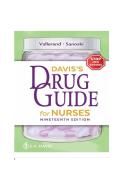
Davis's Drug Guide for Nurses by April Hazard Vallerand
z@ z@ z@ z@ z@ z@ z@ z@
1. What is the primary purpose of Davis’s Drug Guide for Nurses?
9% z@ z@ z@ z@ z@ z@ z@ z@ z@
• a. To provide legal guidelines for drug administration
z@ z@ z@ z@ z@ z@ z@
• b. To serve as a comprehensive reference for drug information
z@ z@ z@ z@ z@ z@ z@ z@ z@
• c. To offer a list of medications covered by insurance
z@ z@ z@ z@ z@ z@ z@ z@ z@
• d. To replace clinical judgment in medication administration
z@ z@ z@ z@ 9% z@ z@
ANS: B z@
Rationale: The primary purpose of Davis’s Drug Guide is to serve as a co
z@ z@ z@ z@ z@ z@ z@ z@ z@ z@ z@ z@ z@ z
@mprehensive reference for nurses, providing detailed information about dr
z@ z@ z@ z@ z@ z@ z@ z@
u g actions, interactions, side effects, and nursing considerations to ensure sa
z@ z@ z@ z@ z@ z@ z@ z@ z@ z@ z@
fe and effective medication administration.
z@ z@ z@ z@
2. Which section of Davis’s Drug Guide would you consult for a drug’
z@ z@ z@ z@ z@ z@ z@ z@ z@ z@ z@
s pharmacokinetics?
z@
• a. Drug interactions
z@ z@
• b. Administration guidelines
z@ z@
• c. Drug classification
z@ z@
• d. Pharmacology
z@
ANS: D z@
Rationale: The pharmacology section provides essential details about the
z@ z@ z@ z@ z@ z@ z@ z@ z@
d rug’s pharmacokinetics, including absorption, distribution, metabolism, a
z@ z@ z@ z@ z@ z@ z@
nd excretion, which are crucial for understanding how the drug works in th
z@ z@ z@ z@ z@ z@ z@ z@ z@ z@ z@ z@
e b ody.
z@ z@
3. Where can you find information about common side effects o
z@ z@ z@ z@ z@ z@ z@ z@ z@
f a medication?
z@ z@
• a. Dosage and administration
z@ z@ z@
• b. Contraindications
z@
• c. Adverse reactions
z@ z@
• d. Drug interactions
z@ z@
ANS: C z@
Rationale: The adverse reactions section lists common side effects
z@ z@ z@ z@ z@ z@ z@ z@
2
z @ | P a g
z @ z @ z @ z
@ e
, associated with the medication, helping nurses anticipate and manage potenti
z@ z@ z@ z@ z@ z@ z@ z@ z@ z
al complications during therapy.
@ z@ z@ z@
4. If a nurse needs to know the recommended dosage for a specific pati
z@ z@ z@ z@ z@ z@ z@ z@ z@ z@ z@ z@
e nt population, which section should they consult?
z@ z@ z@ z@ z@ z@ z@
• a. Dosage and administration
z@ z@ z@
• b. Pharmacology
z@
• c. Nursing implications
z@ z@
• d. Patient education
z@ z@
ANS: A z@
Rationale: The dosage and administration section provides specific dosing r
z@ z@ z@ z@ z@ z@ z@ z@ z@ z@
ecommendations based on age, weight, renal function, and other patient- z@ z@ z@ z@ z@ z@ z@ z@ z@
specific factors, ensuring appropriate medication administration.
z@ z@ z@ z@ z@ z@
5. What type of information is included in the “Nursing Implications” section?
z@ z@ z@ z@ z@ z@ z@ z@ z@ z@
• a. Legal requirements for prescribing medication
z@ z@ z@ z@ z@
• b. Patient education and monitoring considerations
z@ z@ z@ z@ z@
• c. Historical background of the drug
z@ z@ z@ z@ z@
• d. Cost analysis of the medication
z@ z@ z@ z@ z@
ANS: B z@
Rationale: The nursing implications section includes essential information o
z@ z@ 9% z@ z@ z@ z@ z@ z
n what nurses should monitor, potential side effects to watch for, and guid
@ z@ z@ z@ z@ z@ z@ z@ z@ z@ z@ z@ z@
a nce on patient education to enhance safety and efficacy in drug administr
z@ z@ z@ z@ z@ z@ z@ z@ z@ z@ z@ z@
ati on. z@
6. Which of the following is a key benefit of using Davis’s Drug Guide?
z@ z@ z@ z@ z@ z@ z@ z@ z@ z@ z@ z@
• a. It is available in multiple languages
z@ z@ z@ z@ z@ z@
• b. It contains only the most commonly prescribed medications
z@ z@ z@ z@ z@ z@ z@ z@
• c. It provides up-to-date drug information for clinical practice
z@ z@ z@ z@ z@ z@ z@ z@
• d. It replaces the need for ongoing education in pharmacology
z@ z@ z@ z@ z@ z@ z@ z@ z@
ANS: C z@
Rationale: Davis’s Drug Guide offers up-to- z@ z@ z@ z@ z@
date drug information, reflecting current clinical practice, which is essential
z@ z@ z@ z@ 9% z@ z@ z@ z@ z
for safe medication administration and nursing care.
@ z@ z@ z@ z@ z@ z@
7. When using the guide, how can nurses ensure they are interpreting dr
z@ z@ z@ z@ z@ z@ z@ z@ z@ z@ z@
u g interactions correctly?
z@ z@ z@
3
z @ | P a g
z @ z @ z @ z
@ e
, • a. By only consulting the drug interactions section
z@ z@ z@ z@ z@ z@ z@
• b. By cross-referencing with other pharmacology texts
z@ z@ z@ z@ z@ z@
• c. By focusing solely on common interactions
z@ z@ z@ z@ z@ z@
• d. By understanding the underlying mechanisms of interactions
z@ z@ z@ z@ z@ z@ z@
ANS: D z@
Rationale: Understanding the underlying mechanisms of drug interactions al
z@ z@ z@ z@ z@ z@ z@ z@ z
@lows nurses to interpret potential risks and patient-
z@ z@ z@ z@ z@ z@ z@
specific factors accurately, ensuring safe medication practices.
z@ z@ z@ z@ z@ z@
8. How should a nurse approach a situation where a drug is contraindicat
z@ z@ z@ z@ z@ z@ z@ z@ z@ z@ z@
e d for a patient?
z@ z@ z@ z@
• a. Administer the drug with caution
z@ z@ z@ z@ z@
• b. Discuss alternative medications with the healthcare provider
z@ z@ z@ z@ z@ z@ z@
• c. Ignore the contraindication if the patient insists
z@ z@ z@ z@ z@ z@ z@
• d. Educate the patient about the drug's benefits only
z@ z@ z@ z@ z@ z@ z@ z@
ANS: B z@
Rationale: If a drug is contraindicated, the nurse should discuss alternative
z@ z@ z@ z@ z@ z@ z@ z@ z@ z@ z
medications with the healthcare provider to ensure patient safety and appr
@ z@ z@ z@ z@ z@ z@ z@ z@ z@ z@
o priate treatment.
z@ z@
9. What is the significance of the “Patient Education” section in the dr
z@ z@ z@ z@ z@ z@ z@ z@ z@ z@ z@
u g guide?
z@ z@
• a. It provides detailed pharmaceutical research
z@ z@ z@ z@ z@
• b. It emphasizes the importance of nurse-patient communication
z@ z@ z@ z@ z@ z@ 9%
• c. It contains instructions for medication storage
z@ z@ z@ z@ z@ z@
• d. It is not relevant for nursing practice
z@ 9% z@ z@ z@ z@ z@
ANS: B z@
Rationale: The patient education section emphasizes the importance of clear
z@ z@ z@ z@ z@ z@ z@ z@ z@ z
communication, helping nurses educate patients about their medications, i
@ z@ z@ z@ z@ z@ z@ z@ z@ z@
ncluding indications, side effects, and adherence strategies.
z@ z@ z@ z@ z@ z@
10. In which section would you find information about special populations
z@ z@ z@ z@ z@ z@ z@ z@ z@
, such as pregnant or pediatric patients?
z@ z@ z@ z@ z@ z@
• a. Nursing implications
z@ z@
• b. Dosage and administration
z@ z@ z@
• c. Pharmacology
z@
• d. Special populations
z@ z@
ANS: D z@
4
z @ | P a g
z @ z @ z @ z
@ e
z @ | P a g
z @ z @ z @ z
@ e
,How To Use Davis’s Drug Guide For Nurses
z@ z@ z@ z@ z@ z@ z@
Davis's Drug Guide for Nurses by April Hazard Vallerand
z@ z@ z@ z@ z@ z@ z@ z@
1. What is the primary purpose of Davis’s Drug Guide for Nurses?
9% z@ z@ z@ z@ z@ z@ z@ z@ z@
• a. To provide legal guidelines for drug administration
z@ z@ z@ z@ z@ z@ z@
• b. To serve as a comprehensive reference for drug information
z@ z@ z@ z@ z@ z@ z@ z@ z@
• c. To offer a list of medications covered by insurance
z@ z@ z@ z@ z@ z@ z@ z@ z@
• d. To replace clinical judgment in medication administration
z@ z@ z@ z@ 9% z@ z@
ANS: B z@
Rationale: The primary purpose of Davis’s Drug Guide is to serve as a co
z@ z@ z@ z@ z@ z@ z@ z@ z@ z@ z@ z@ z@ z
@mprehensive reference for nurses, providing detailed information about dr
z@ z@ z@ z@ z@ z@ z@ z@
u g actions, interactions, side effects, and nursing considerations to ensure sa
z@ z@ z@ z@ z@ z@ z@ z@ z@ z@ z@
fe and effective medication administration.
z@ z@ z@ z@
2. Which section of Davis’s Drug Guide would you consult for a drug’
z@ z@ z@ z@ z@ z@ z@ z@ z@ z@ z@
s pharmacokinetics?
z@
• a. Drug interactions
z@ z@
• b. Administration guidelines
z@ z@
• c. Drug classification
z@ z@
• d. Pharmacology
z@
ANS: D z@
Rationale: The pharmacology section provides essential details about the
z@ z@ z@ z@ z@ z@ z@ z@ z@
d rug’s pharmacokinetics, including absorption, distribution, metabolism, a
z@ z@ z@ z@ z@ z@ z@
nd excretion, which are crucial for understanding how the drug works in th
z@ z@ z@ z@ z@ z@ z@ z@ z@ z@ z@ z@
e b ody.
z@ z@
3. Where can you find information about common side effects o
z@ z@ z@ z@ z@ z@ z@ z@ z@
f a medication?
z@ z@
• a. Dosage and administration
z@ z@ z@
• b. Contraindications
z@
• c. Adverse reactions
z@ z@
• d. Drug interactions
z@ z@
ANS: C z@
Rationale: The adverse reactions section lists common side effects
z@ z@ z@ z@ z@ z@ z@ z@
2
z @ | P a g
z @ z @ z @ z
@ e
, associated with the medication, helping nurses anticipate and manage potenti
z@ z@ z@ z@ z@ z@ z@ z@ z@ z
al complications during therapy.
@ z@ z@ z@
4. If a nurse needs to know the recommended dosage for a specific pati
z@ z@ z@ z@ z@ z@ z@ z@ z@ z@ z@ z@
e nt population, which section should they consult?
z@ z@ z@ z@ z@ z@ z@
• a. Dosage and administration
z@ z@ z@
• b. Pharmacology
z@
• c. Nursing implications
z@ z@
• d. Patient education
z@ z@
ANS: A z@
Rationale: The dosage and administration section provides specific dosing r
z@ z@ z@ z@ z@ z@ z@ z@ z@ z@
ecommendations based on age, weight, renal function, and other patient- z@ z@ z@ z@ z@ z@ z@ z@ z@
specific factors, ensuring appropriate medication administration.
z@ z@ z@ z@ z@ z@
5. What type of information is included in the “Nursing Implications” section?
z@ z@ z@ z@ z@ z@ z@ z@ z@ z@
• a. Legal requirements for prescribing medication
z@ z@ z@ z@ z@
• b. Patient education and monitoring considerations
z@ z@ z@ z@ z@
• c. Historical background of the drug
z@ z@ z@ z@ z@
• d. Cost analysis of the medication
z@ z@ z@ z@ z@
ANS: B z@
Rationale: The nursing implications section includes essential information o
z@ z@ 9% z@ z@ z@ z@ z@ z
n what nurses should monitor, potential side effects to watch for, and guid
@ z@ z@ z@ z@ z@ z@ z@ z@ z@ z@ z@ z@
a nce on patient education to enhance safety and efficacy in drug administr
z@ z@ z@ z@ z@ z@ z@ z@ z@ z@ z@ z@
ati on. z@
6. Which of the following is a key benefit of using Davis’s Drug Guide?
z@ z@ z@ z@ z@ z@ z@ z@ z@ z@ z@ z@
• a. It is available in multiple languages
z@ z@ z@ z@ z@ z@
• b. It contains only the most commonly prescribed medications
z@ z@ z@ z@ z@ z@ z@ z@
• c. It provides up-to-date drug information for clinical practice
z@ z@ z@ z@ z@ z@ z@ z@
• d. It replaces the need for ongoing education in pharmacology
z@ z@ z@ z@ z@ z@ z@ z@ z@
ANS: C z@
Rationale: Davis’s Drug Guide offers up-to- z@ z@ z@ z@ z@
date drug information, reflecting current clinical practice, which is essential
z@ z@ z@ z@ 9% z@ z@ z@ z@ z
for safe medication administration and nursing care.
@ z@ z@ z@ z@ z@ z@
7. When using the guide, how can nurses ensure they are interpreting dr
z@ z@ z@ z@ z@ z@ z@ z@ z@ z@ z@
u g interactions correctly?
z@ z@ z@
3
z @ | P a g
z @ z @ z @ z
@ e
, • a. By only consulting the drug interactions section
z@ z@ z@ z@ z@ z@ z@
• b. By cross-referencing with other pharmacology texts
z@ z@ z@ z@ z@ z@
• c. By focusing solely on common interactions
z@ z@ z@ z@ z@ z@
• d. By understanding the underlying mechanisms of interactions
z@ z@ z@ z@ z@ z@ z@
ANS: D z@
Rationale: Understanding the underlying mechanisms of drug interactions al
z@ z@ z@ z@ z@ z@ z@ z@ z
@lows nurses to interpret potential risks and patient-
z@ z@ z@ z@ z@ z@ z@
specific factors accurately, ensuring safe medication practices.
z@ z@ z@ z@ z@ z@
8. How should a nurse approach a situation where a drug is contraindicat
z@ z@ z@ z@ z@ z@ z@ z@ z@ z@ z@
e d for a patient?
z@ z@ z@ z@
• a. Administer the drug with caution
z@ z@ z@ z@ z@
• b. Discuss alternative medications with the healthcare provider
z@ z@ z@ z@ z@ z@ z@
• c. Ignore the contraindication if the patient insists
z@ z@ z@ z@ z@ z@ z@
• d. Educate the patient about the drug's benefits only
z@ z@ z@ z@ z@ z@ z@ z@
ANS: B z@
Rationale: If a drug is contraindicated, the nurse should discuss alternative
z@ z@ z@ z@ z@ z@ z@ z@ z@ z@ z
medications with the healthcare provider to ensure patient safety and appr
@ z@ z@ z@ z@ z@ z@ z@ z@ z@ z@
o priate treatment.
z@ z@
9. What is the significance of the “Patient Education” section in the dr
z@ z@ z@ z@ z@ z@ z@ z@ z@ z@ z@
u g guide?
z@ z@
• a. It provides detailed pharmaceutical research
z@ z@ z@ z@ z@
• b. It emphasizes the importance of nurse-patient communication
z@ z@ z@ z@ z@ z@ 9%
• c. It contains instructions for medication storage
z@ z@ z@ z@ z@ z@
• d. It is not relevant for nursing practice
z@ 9% z@ z@ z@ z@ z@
ANS: B z@
Rationale: The patient education section emphasizes the importance of clear
z@ z@ z@ z@ z@ z@ z@ z@ z@ z
communication, helping nurses educate patients about their medications, i
@ z@ z@ z@ z@ z@ z@ z@ z@ z@
ncluding indications, side effects, and adherence strategies.
z@ z@ z@ z@ z@ z@
10. In which section would you find information about special populations
z@ z@ z@ z@ z@ z@ z@ z@ z@
, such as pregnant or pediatric patients?
z@ z@ z@ z@ z@ z@
• a. Nursing implications
z@ z@
• b. Dosage and administration
z@ z@ z@
• c. Pharmacology
z@
• d. Special populations
z@ z@
ANS: D z@
4
z @ | P a g
z @ z @ z @ z
@ e


