166 Final
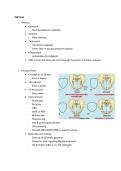
o Pelvises
• Gynecoid
- Most favorable for childbirth
• Android
- Male anatomy
• Anthropoid
- Can deliver vaginally
- Infant often in occiput posterior position
• Platylpelloid
- Unfavorable for childbirth
• CPD is when the fetus can not fit through the pelvis; C-Section required
o Prenatal Visits
• Conception to 28 wks
- Every 4 weeks
• 29 to 36 wks
- Every 2 weeks
• 37 wks to birth
- Every week
• First trimester
- Blood type
- Rh factor
- CBC
- VDRL or RPR
- Rubella titer
- TB screening
- Hep B screening (at 29 wks)
- HIV screening
- NO LIVE VACCINES (MMR or nasal Flu spray)
• Blood Glucose Testing
- Done at 24-28 weeks gestation
- Drawn 1hr after ingesting 50g liquid glucose
- 3hr test done if BG is >/= 130-140mg/dL
, • Strep B
- Rectal swab at 35-37 weeks
- Can cause in infant: Infection, blindness, hearing loss, brain damage,
death
• GTPAL
- Gravida: # of pregnancies
- Term: Delivered before 42wks or after 37wks
- Para: Deliveries after 20wks
- Abortions: # of miscarries or abortions
- Living: How many children alive now
o Diagnosing Pregnancy
Presumptive Probable Positive
Amenorrhea Goodell’s sign Fetal heartbeat
Nausea Chadwick’s sign Fetal movement
Breast tenderness Hegar’s sign Ultrasound visualization
Pigmentation changes McDonald’s sign
Frequency & urgency of Braxton Hicks
urine
Quickening Ballottement
Stria
Positive pregnancy test
,o Physiological Changes in Pregnancy
• Uterus
- Wt: 60g ; 10mL capacity before pregnancy
- Wt: 1000g; 5000mL capacity at term
• Cervix
- Chadwick’s
- Goodell’s
• Vagina
- Increased blood supply causing bluish color
• Breasts
- High estrogen and progesterone prepare breasts for lactation
- Colostrum in last few months of pregnancy
• Respiratory
- O2 consumption increased by 15%
- Dyspnea until lightening
• Cardiovascular
- Blood volume increased 45% by 32-34wks
- Supine hypotension syndrome
- Sports anemia
• GI
- Intestines displaced
- Increased saliva production = taste and smell changes
- Altered glucose metabolism
• Skeletal
- Waddling gait d/t separation of anterior pubis
, o Nutrition in pregnancy
• +340 cal/day in second trimester
• +450 cal/day in third trimester
• Important nutrients
- Protein
- Iron (30mg/day)
- Calcium
- Folic Acid (400-800mcg/day)
• Fetus must store adequate supply of iron 3-6mo. After birth
• B6 used to relieve nausea
• Folic Acid
- Essential for RBC/WBC formation in bone marrow
- Reduces risk of neural tube defects
o Fetal Diagnostic Tests
• Ultrasound
- Need full bladder
- Transvaginal = empty bladder
- Visualize gestational sac
- Identify implantation site
- Verify fetal viability
- Identify multifetal pregnancy
- Diagnose some (not all) fetal abnormalities
- Guide procedures
- Determine gestational age
- Locate placenta
- Determine amount of amniotic fluid
- Observe fetal movements
- Determine EDD
• Kick Count
- Count 1 hr after meal
- <3 in 30min or <10 in 3hr requires medical evaluation