

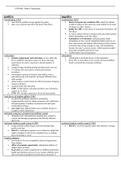
1950-60s: Native Americans
positive negative
termination 1953 termination 1953
ncai tried to mobilise troops against the policy house of concurrent resolution 108- stated that indians
there was criticism that led to the halt of the policy would be subject to the same laws and entitled to the same
privileges as other citizens
public law 280- set the house of concurrent resolution 108
into place
no senior federal official consulted with any tribal member
before termination went into effect
menominee’s of wisconsin- suffered greatly under
termination as they owned substantial timber reserves on
their reservations and federal official believed they had an
economic base strong enough to cope with termination,
became the state’s poorest county, tribal hospital couldn’t
meet state standards and had to close
10,000 indians faced termination
relocation relocation
branch of placement and relocation- set up within the contributed to the break-down of tribal identities
bia to establish relocation centres in cities near large those left on reservations were mostly old and unskilled,
reservations for native american’s, printed posters to which worsened the economic problems
influence
congress began funding training and placement services
2/3 indians left reservations without government
assistance
encouraged a general awareness that indians were a
particular group with interests and needs different from
other groups
urban workers would return for tribal ceremonies bringing
money with them
acquired skills and education
1960- 33,000 indians relocated and there were relocation
centres in 12 cities
1970- 44% of native american’s lived off reservations
task force of indian affairs 1961
revealed the problems caused by termination
emphasised the need for indian economic self- sufficiency,
full participation of indians in american life and equal
citizenship privileges
new trail- more federal funds were available and given
straight to tribes themselves
national congress of american indians (ncai)
demanded self- determination meaning they wanted to
control and manage programmes that directly affected
their lives
national indian youth council 1961 national indian youth council 1961
young militant indians began to protest through high fish in’s- received regional rather than national coverage
profile activities
fish in’s- washington supreme court refused to uphold the
rights of indians to fish in the columbia river, so indians
sat at rivers like a ‘sit in’
lyndon johnson
motivated by his own sympathies and growing pressure
from indians
office of economic opportunity- dispatched millions of
dollars direct to tribes
head start- provided comprehensive childhood education,
health and nutrition services to low income children, gave
jobs to the poorer people (favoured native american’s)
positive negative
termination 1953 termination 1953
ncai tried to mobilise troops against the policy house of concurrent resolution 108- stated that indians
there was criticism that led to the halt of the policy would be subject to the same laws and entitled to the same
privileges as other citizens
public law 280- set the house of concurrent resolution 108
into place
no senior federal official consulted with any tribal member
before termination went into effect
menominee’s of wisconsin- suffered greatly under
termination as they owned substantial timber reserves on
their reservations and federal official believed they had an
economic base strong enough to cope with termination,
became the state’s poorest county, tribal hospital couldn’t
meet state standards and had to close
10,000 indians faced termination
relocation relocation
branch of placement and relocation- set up within the contributed to the break-down of tribal identities
bia to establish relocation centres in cities near large those left on reservations were mostly old and unskilled,
reservations for native american’s, printed posters to which worsened the economic problems
influence
congress began funding training and placement services
2/3 indians left reservations without government
assistance
encouraged a general awareness that indians were a
particular group with interests and needs different from
other groups
urban workers would return for tribal ceremonies bringing
money with them
acquired skills and education
1960- 33,000 indians relocated and there were relocation
centres in 12 cities
1970- 44% of native american’s lived off reservations
task force of indian affairs 1961
revealed the problems caused by termination
emphasised the need for indian economic self- sufficiency,
full participation of indians in american life and equal
citizenship privileges
new trail- more federal funds were available and given
straight to tribes themselves
national congress of american indians (ncai)
demanded self- determination meaning they wanted to
control and manage programmes that directly affected
their lives
national indian youth council 1961 national indian youth council 1961
young militant indians began to protest through high fish in’s- received regional rather than national coverage
profile activities
fish in’s- washington supreme court refused to uphold the
rights of indians to fish in the columbia river, so indians
sat at rivers like a ‘sit in’
lyndon johnson
motivated by his own sympathies and growing pressure
from indians
office of economic opportunity- dispatched millions of
dollars direct to tribes
head start- provided comprehensive childhood education,
health and nutrition services to low income children, gave
jobs to the poorer people (favoured native american’s)


