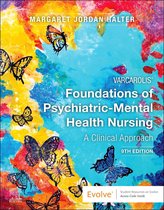
Test Bank for Varcarolis' Foundations of Psychiatric-Mental
Health Nursing
A Clinical Approach 9th Edition
Author: Margaret Jordan Halter
,Table of Contents
UNIT I: Foundations in Theory.............................................................................................................. 4
Chapter 1: Mental Health and Mental Illness ................................................................................... 4
Chapter 2: Theories and Therapies................................................................................................. 18
Chapter 3: Psychobiology and Psychopharmacology ...................................................................... 32
UNIT II: Foundations for Practice ....................................................................................................... 45
Chapter 4: Treatment Settings
...................................................................................................................................................... 45
Chapter 6: Legal and Ethical Considerations ................................................................................... 56
UNIT III: Psychosocial Nursing Tools ............................................................................................. 67
Chapter 7: The Nursing Process and Standards of Care .................................................................. 67
Chapter 8: Therapeutic Relationships............................................................................................. 78
Chapter 9: Therapeutic Communication ......................................................................................... 90
Chapter 10: Stress Responses and Stress Management ................................................................ 101
UNIT IV: Psychobiological Disorders ................................................................................................. 112
Chapter 11: Childhood and Neurodevelopmental Disorders ......................................................... 112
Chapter 12: Schizophrenia Spectrum Disorders............................................................................ 123
Chapter 13: Bipolar and Related Disorders ................................................................................... 134
Chapter 14: Depressive Disorders ................................................................................................ 145
Chapter 15: Anxiety and Obsessive Compulsive Disorders ............................................................ 156
Chapter 16: Trauma-, Stressor-Related, and Dissociative Disorders .............................................. 167
Chapter 17: Somatic Symptom Disorders ..................................................................................... 177
Chapter 18: Eating and Feeding Disorders .................................................................................... 188
Chapter 19: Sleep Wake Disorders ............................................................................................... 199
Chapter 20: Sexual Dysfunction, Gender Dysphoria, and Paraphilic Disorders .............................. 210
Chapter 21: Impulse Control Disorders......................................................................................... 221
Chapter 22: Substance-Related and Addictive Disorders .............................................................. 232
Chapter 23: Neurocognitive Disorders
.................................................................................................................................................... 243
UNIT V: Trauma Interventions ......................................................................................................... 254
Chapter 25: Suicide and Non-Suicidal Self-Injury .......................................................................... 254
Chapter 27: Anger, Aggression, and Violence ............................................................................... 274
, Chapter 28: Child, Older Adult, and Intimate Partner Violence ..................................................... 284
Chapter 29: Sexual Assault
.................................................................................................................................................... 295
UNIT VI: Interventions for Special Populations ................................................................................. 305
Chapter 30: Dying, Death, and Grieving........................................................................................ 305
Chapter 31: Older Adults.............................................................................................................. 316
Chapter 32: Serious Mental Illness ............................................................................................... 327
Chapter 33: Forensic Nursing ....................................................................................................... 338
UNIT VII: Other Intervention Modalities........................................................................................... 349
Chapter 34: Therapeutic Groups .................................................................................................. 349
Chapter 35: Family Interventions ................................................................................................. 359
Chapter 36: Integrative Care ........................................................................................................ 369
, UNIT I: Foundations in Theory
Chapter 1: Mental Health and Mental Illness
1.
A community health nurse is assessing a 32-year-old client who recently lost employment. The client
states, “I feel anxious and discouraged, but I’m actively applying for jobs and talking with my family for
support.” Based on mental health concepts, which interpretation by the nurse is most accurate?
A. The client is experiencing maladaptive behavior
B. The client demonstrates emotional resilience and effective coping
C. The client meets criteria for a mood disorder
D. The client is suppressing emotional distress
ANS: B
Rationale:
Mental health is characterized by the ability to cope with stressors, maintain relationships, and function
effectively. Despite distress, the client uses problem-solving and social support, indicating resilience and
adaptive coping. There is no evidence of dysfunction or psychiatric disorder.
2.
A psychiatric nurse evaluates a client who reports persistent sadness, inability to perform daily tasks,
and withdrawal from previously valued relationships for the past 6 weeks. Which principle best supports
the nurse’s concern that the client may be experiencing mental illness?
A. Mental illness is defined solely by emotional discomfort
B. Mental illness involves impaired functioning and distress
C. Mental illness is diagnosed only through self-report
D. Mental illness occurs only when coping mechanisms fail completely
ANS: B
Rationale:
Varcarolis defines mental illness as conditions that cause significant distress and impairment in
functioning. The client’s prolonged symptoms and inability to perform daily activities indicate more than
transient emotional distress.
3.
A nurse is teaching nursing students about the continuum of mental health. Which statement best
reflects this concept?
A. Individuals are either mentally healthy or mentally ill
B. Mental health states remain stable throughout life
Health Nursing
A Clinical Approach 9th Edition
Author: Margaret Jordan Halter
,Table of Contents
UNIT I: Foundations in Theory.............................................................................................................. 4
Chapter 1: Mental Health and Mental Illness ................................................................................... 4
Chapter 2: Theories and Therapies................................................................................................. 18
Chapter 3: Psychobiology and Psychopharmacology ...................................................................... 32
UNIT II: Foundations for Practice ....................................................................................................... 45
Chapter 4: Treatment Settings
...................................................................................................................................................... 45
Chapter 6: Legal and Ethical Considerations ................................................................................... 56
UNIT III: Psychosocial Nursing Tools ............................................................................................. 67
Chapter 7: The Nursing Process and Standards of Care .................................................................. 67
Chapter 8: Therapeutic Relationships............................................................................................. 78
Chapter 9: Therapeutic Communication ......................................................................................... 90
Chapter 10: Stress Responses and Stress Management ................................................................ 101
UNIT IV: Psychobiological Disorders ................................................................................................. 112
Chapter 11: Childhood and Neurodevelopmental Disorders ......................................................... 112
Chapter 12: Schizophrenia Spectrum Disorders............................................................................ 123
Chapter 13: Bipolar and Related Disorders ................................................................................... 134
Chapter 14: Depressive Disorders ................................................................................................ 145
Chapter 15: Anxiety and Obsessive Compulsive Disorders ............................................................ 156
Chapter 16: Trauma-, Stressor-Related, and Dissociative Disorders .............................................. 167
Chapter 17: Somatic Symptom Disorders ..................................................................................... 177
Chapter 18: Eating and Feeding Disorders .................................................................................... 188
Chapter 19: Sleep Wake Disorders ............................................................................................... 199
Chapter 20: Sexual Dysfunction, Gender Dysphoria, and Paraphilic Disorders .............................. 210
Chapter 21: Impulse Control Disorders......................................................................................... 221
Chapter 22: Substance-Related and Addictive Disorders .............................................................. 232
Chapter 23: Neurocognitive Disorders
.................................................................................................................................................... 243
UNIT V: Trauma Interventions ......................................................................................................... 254
Chapter 25: Suicide and Non-Suicidal Self-Injury .......................................................................... 254
Chapter 27: Anger, Aggression, and Violence ............................................................................... 274
, Chapter 28: Child, Older Adult, and Intimate Partner Violence ..................................................... 284
Chapter 29: Sexual Assault
.................................................................................................................................................... 295
UNIT VI: Interventions for Special Populations ................................................................................. 305
Chapter 30: Dying, Death, and Grieving........................................................................................ 305
Chapter 31: Older Adults.............................................................................................................. 316
Chapter 32: Serious Mental Illness ............................................................................................... 327
Chapter 33: Forensic Nursing ....................................................................................................... 338
UNIT VII: Other Intervention Modalities........................................................................................... 349
Chapter 34: Therapeutic Groups .................................................................................................. 349
Chapter 35: Family Interventions ................................................................................................. 359
Chapter 36: Integrative Care ........................................................................................................ 369
, UNIT I: Foundations in Theory
Chapter 1: Mental Health and Mental Illness
1.
A community health nurse is assessing a 32-year-old client who recently lost employment. The client
states, “I feel anxious and discouraged, but I’m actively applying for jobs and talking with my family for
support.” Based on mental health concepts, which interpretation by the nurse is most accurate?
A. The client is experiencing maladaptive behavior
B. The client demonstrates emotional resilience and effective coping
C. The client meets criteria for a mood disorder
D. The client is suppressing emotional distress
ANS: B
Rationale:
Mental health is characterized by the ability to cope with stressors, maintain relationships, and function
effectively. Despite distress, the client uses problem-solving and social support, indicating resilience and
adaptive coping. There is no evidence of dysfunction or psychiatric disorder.
2.
A psychiatric nurse evaluates a client who reports persistent sadness, inability to perform daily tasks,
and withdrawal from previously valued relationships for the past 6 weeks. Which principle best supports
the nurse’s concern that the client may be experiencing mental illness?
A. Mental illness is defined solely by emotional discomfort
B. Mental illness involves impaired functioning and distress
C. Mental illness is diagnosed only through self-report
D. Mental illness occurs only when coping mechanisms fail completely
ANS: B
Rationale:
Varcarolis defines mental illness as conditions that cause significant distress and impairment in
functioning. The client’s prolonged symptoms and inability to perform daily activities indicate more than
transient emotional distress.
3.
A nurse is teaching nursing students about the continuum of mental health. Which statement best
reflects this concept?
A. Individuals are either mentally healthy or mentally ill
B. Mental health states remain stable throughout life