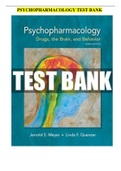
TEST BANK for Organic Chemistry 6th Edition
Smith / All Chapters 1 - 29 / Full Complete
Page 1
ub
,Chapter 1 Structure and Bonding
ub ub ub ub
Chapter 2 Acids and Bases
ub ub ub ub
Chapter 3 Introduction to Organic Molecules and Functional Groups
ub ub ub ub ub ub ub ub
Chapter 4 Alkanes
ub ub
Chapter 5 Stereochemistry
ub ub
Chapter 6 Understanding Organic Reactions
ub ub ub ub
Chapter 7 Alkyl Halides and Nucleophilic Substitution
ub ub ub ub ub ub
Chapter 8 Alkyl Halides and Elimination Reactions
ub ub ub ub ub ub
Chapter 9 Alcohols, Ethers, and Related Compounds
ub ub ub ub ub ub
Chapter 10 Alkenes and Addition Reactions
ub ub ub ub ub
Chapter 11 Alkynes and Synthesis
ub ub ub ub
Chapter 12 Oxidation and Reduction
ub ub ub ub
Spectroscopy A Mass Spectrometry
ub ub ub
Spectroscopy B Infrared Spectroscopy
ub ub ub
Spectroscopy C Nuclear Magnetic Resonance Spectroscopy
ub ub ub ub ub
Chapter 13 Radical Reactions
ub ub ub
Chapter 14 Conjugation, Resonance, and Dienes
ub ub ub ub ub
Chapter 15 Benzene and Aromatic Compounds
ub ub ub ub ub
Chapter 16 Reactions of Aromatic Compounds
ub ub ub ub ub
Chapter 17 Introduction to Carbonyl Chemistry: Organometallic Reagents; Oxidati
ub ub ub ub ub ub ub ub
on and Reduction
ub ub
Chapter 18 Aldehydes and Ketones—Nucleophilic Addition
ub ub ub ub ub
Chapter 19 Carboxylic Acids and Nitriles
ub ub ub ub ub
Chapter 20 Carboxylic Acids and Their Derivatives- Nucleophilic Acyl Substitution
ub ub ub ub ub ub ub ub ub
Chapter 21 Substitution Reactions of Carbonyl Compounds at the α-Carbon
ub ub ub ub ub ub ub ub ub
Chapter 22 Carbonyl Condensation Reactions
ub ub ub ub
Chapter 23 Amines
ub ub
Chapter 24 Carbon-Carbon Bond-Forming Reactions in Organic Synthesis
ub ub ub ub ub ub ub
Chapter 25 Pericyclic Reactions
ub ub ub
Chapter 26 Carbohydrates
ub ub
Chapter 27 Amino Acids and Proteins
ub ub ub ub ub
Chapter 28 Synthetic Polymers
ub ub ub
Chapter 29 Lipids (Available online)
ub ub ub ub
Page 2 ub
, Chapter1:Structure andBonding ub ub ub ub
1. What is the ground- ub ub ub
state electronic configuration of a carbon atom? A) 1s2, 2s2, 2p5
ub ub ub ub ub ub ub u b ub ub
B) 1s2, 2s2, 2p2 C) 1s2, 2s2, 2p6 D) 1s2,2s2,2p4
u b ub ub u b ub ub u b b
u b
u
2. What is the ground- ub ub ub
state electronic configuration of a fluorine atom?A) 1s2, 2s2, 2p2
ub ub ub ub ub ub b
u u b ub ub
B) 1s2, 2s2, 2p3 C) 1s2, 2s2, 2p4 D) 1s2,2s2,2p5
u b ub ub u b ub ub u b b
u b
u
3. What is the ground-stateelectronic configuration of a magnesium cation (Mg2+)?A)
ub ub ub ub ub ub ub ub ub ub b
u
1s2,2s2,2p6ub ub C) 1s2, 2s2, 2p6, 3s2 ub ub ub
B) 1s2,2s2,2p6,3s1 ub ub ub D) 1s2,2s2,2p6,3s2,3p2 b
u b
u b
u b
u
4. What is the ground-state electronic configuration of a chlorine anion (Cl—)?A)
ub ub ub ub ub ub ub ub ub ub b
u
1s2,2s2,2p6ub ub C) 1s2, 2s2, 2p6, 3s2, 3p5 ub ub ub ub
B) 1s2,2s2,2p6,3s2,3p6 ub ub ub ub D) 1s2,2s2,2p6,3s2,3p4 b
u b
u b
u b
u
5. Which of the following statements about valence electrons is true?
ub ub ub ub ub ub ub ub ub
A) They are the most tightly held electrons. ub ub ub ub ub ub
B) They do not participate in chemical reactions. ub ub ub ub ub ub
Page 3 ub
, Chapter 1: Structure and Bonding ub ub ub ub
C) They are the outermost electrons. ub ub ub ub
D) They reveal the period number of a second-row element.
ub ub ub ub ub ub ub ub
6. Which of the following statements about bonding is true?
ub ub ub ub ub ub ub ub
A) Covalent bonds result from the transfer of electrons from one element to another. ub ub ub ub ub ub ub ub ub ub ub ub
B) Ionic bonds result from the transfer of electrons from a metal to a non-metal.
ub ub ub ub ub ub ub ub ub ub ub ub ub
C) Ionic bonds result from the sharing of electrons between two non-metals.
ub ub ub ub ub ub ub ub ub ub
D) Covalent bonds result from the sharing of electrons between two metals. ub ub ub ub ub ub ub ub ub ub
7. Which of the following would you expect to have ionic bonds?
ub ub ub ub ub ub ub ub ub ub
A) CO B) FBr C) NF3 D) NaCl u b u b u b
8. Which of the following molecules has nonpolar covalent bonds?
ub ub ub ub ub ub ub ub
A) HCl B) N2 C) CHCl3 D) NO u b u b u b
9. Which of the following molecules contain both covalent and ionic bonds?
ub ub ub ub ub ub ub ub ub ub
A) I, IIub B) I, IV u b ub C) II, III u b ub D) II, IV ub ub
10. Arrange the following bonds in decreasing order of ionic character, putting the mostionic
ub ub ub ub ub ub ub ub ub ub ub ub b
u ub
first.
A) I > II > III > IV
ub ub ub ub ub ub C) IV > III > II > I ub ub ub ub ub ub
B) IV > II > I > III ub ub ub ub ub ub D) IV > II > III > I ub ub ub ub ub ub
11. Which of the following statements correctly describes the typical number of bonds forcarb
ub ub ub ub ub ub ub ub ub ub ub ub b
u
on, nitrogen, and oxygen in most neutral organic molecules?
ub ub ub ub ub ub ub ub
A) Carbon forms 4 covalent bonds, nitrogen forms 2 covalent bonds and oxygen forms3 cov
ub ub ub ub ub ub ub ub ub ub ub ub b
u ub
alent bonds. ub
B) Carbon forms 4 covalent bonds, nitrogen forms 3 covalent bonds and oxygen forms2 cov
ub ub ub ub ub ub ub ub ub ub ub ub b
u ub
alent bonds. ub
Page 4 ub
Smith / All Chapters 1 - 29 / Full Complete
Page 1
ub
,Chapter 1 Structure and Bonding
ub ub ub ub
Chapter 2 Acids and Bases
ub ub ub ub
Chapter 3 Introduction to Organic Molecules and Functional Groups
ub ub ub ub ub ub ub ub
Chapter 4 Alkanes
ub ub
Chapter 5 Stereochemistry
ub ub
Chapter 6 Understanding Organic Reactions
ub ub ub ub
Chapter 7 Alkyl Halides and Nucleophilic Substitution
ub ub ub ub ub ub
Chapter 8 Alkyl Halides and Elimination Reactions
ub ub ub ub ub ub
Chapter 9 Alcohols, Ethers, and Related Compounds
ub ub ub ub ub ub
Chapter 10 Alkenes and Addition Reactions
ub ub ub ub ub
Chapter 11 Alkynes and Synthesis
ub ub ub ub
Chapter 12 Oxidation and Reduction
ub ub ub ub
Spectroscopy A Mass Spectrometry
ub ub ub
Spectroscopy B Infrared Spectroscopy
ub ub ub
Spectroscopy C Nuclear Magnetic Resonance Spectroscopy
ub ub ub ub ub
Chapter 13 Radical Reactions
ub ub ub
Chapter 14 Conjugation, Resonance, and Dienes
ub ub ub ub ub
Chapter 15 Benzene and Aromatic Compounds
ub ub ub ub ub
Chapter 16 Reactions of Aromatic Compounds
ub ub ub ub ub
Chapter 17 Introduction to Carbonyl Chemistry: Organometallic Reagents; Oxidati
ub ub ub ub ub ub ub ub
on and Reduction
ub ub
Chapter 18 Aldehydes and Ketones—Nucleophilic Addition
ub ub ub ub ub
Chapter 19 Carboxylic Acids and Nitriles
ub ub ub ub ub
Chapter 20 Carboxylic Acids and Their Derivatives- Nucleophilic Acyl Substitution
ub ub ub ub ub ub ub ub ub
Chapter 21 Substitution Reactions of Carbonyl Compounds at the α-Carbon
ub ub ub ub ub ub ub ub ub
Chapter 22 Carbonyl Condensation Reactions
ub ub ub ub
Chapter 23 Amines
ub ub
Chapter 24 Carbon-Carbon Bond-Forming Reactions in Organic Synthesis
ub ub ub ub ub ub ub
Chapter 25 Pericyclic Reactions
ub ub ub
Chapter 26 Carbohydrates
ub ub
Chapter 27 Amino Acids and Proteins
ub ub ub ub ub
Chapter 28 Synthetic Polymers
ub ub ub
Chapter 29 Lipids (Available online)
ub ub ub ub
Page 2 ub
, Chapter1:Structure andBonding ub ub ub ub
1. What is the ground- ub ub ub
state electronic configuration of a carbon atom? A) 1s2, 2s2, 2p5
ub ub ub ub ub ub ub u b ub ub
B) 1s2, 2s2, 2p2 C) 1s2, 2s2, 2p6 D) 1s2,2s2,2p4
u b ub ub u b ub ub u b b
u b
u
2. What is the ground- ub ub ub
state electronic configuration of a fluorine atom?A) 1s2, 2s2, 2p2
ub ub ub ub ub ub b
u u b ub ub
B) 1s2, 2s2, 2p3 C) 1s2, 2s2, 2p4 D) 1s2,2s2,2p5
u b ub ub u b ub ub u b b
u b
u
3. What is the ground-stateelectronic configuration of a magnesium cation (Mg2+)?A)
ub ub ub ub ub ub ub ub ub ub b
u
1s2,2s2,2p6ub ub C) 1s2, 2s2, 2p6, 3s2 ub ub ub
B) 1s2,2s2,2p6,3s1 ub ub ub D) 1s2,2s2,2p6,3s2,3p2 b
u b
u b
u b
u
4. What is the ground-state electronic configuration of a chlorine anion (Cl—)?A)
ub ub ub ub ub ub ub ub ub ub b
u
1s2,2s2,2p6ub ub C) 1s2, 2s2, 2p6, 3s2, 3p5 ub ub ub ub
B) 1s2,2s2,2p6,3s2,3p6 ub ub ub ub D) 1s2,2s2,2p6,3s2,3p4 b
u b
u b
u b
u
5. Which of the following statements about valence electrons is true?
ub ub ub ub ub ub ub ub ub
A) They are the most tightly held electrons. ub ub ub ub ub ub
B) They do not participate in chemical reactions. ub ub ub ub ub ub
Page 3 ub
, Chapter 1: Structure and Bonding ub ub ub ub
C) They are the outermost electrons. ub ub ub ub
D) They reveal the period number of a second-row element.
ub ub ub ub ub ub ub ub
6. Which of the following statements about bonding is true?
ub ub ub ub ub ub ub ub
A) Covalent bonds result from the transfer of electrons from one element to another. ub ub ub ub ub ub ub ub ub ub ub ub
B) Ionic bonds result from the transfer of electrons from a metal to a non-metal.
ub ub ub ub ub ub ub ub ub ub ub ub ub
C) Ionic bonds result from the sharing of electrons between two non-metals.
ub ub ub ub ub ub ub ub ub ub
D) Covalent bonds result from the sharing of electrons between two metals. ub ub ub ub ub ub ub ub ub ub
7. Which of the following would you expect to have ionic bonds?
ub ub ub ub ub ub ub ub ub ub
A) CO B) FBr C) NF3 D) NaCl u b u b u b
8. Which of the following molecules has nonpolar covalent bonds?
ub ub ub ub ub ub ub ub
A) HCl B) N2 C) CHCl3 D) NO u b u b u b
9. Which of the following molecules contain both covalent and ionic bonds?
ub ub ub ub ub ub ub ub ub ub
A) I, IIub B) I, IV u b ub C) II, III u b ub D) II, IV ub ub
10. Arrange the following bonds in decreasing order of ionic character, putting the mostionic
ub ub ub ub ub ub ub ub ub ub ub ub b
u ub
first.
A) I > II > III > IV
ub ub ub ub ub ub C) IV > III > II > I ub ub ub ub ub ub
B) IV > II > I > III ub ub ub ub ub ub D) IV > II > III > I ub ub ub ub ub ub
11. Which of the following statements correctly describes the typical number of bonds forcarb
ub ub ub ub ub ub ub ub ub ub ub ub b
u
on, nitrogen, and oxygen in most neutral organic molecules?
ub ub ub ub ub ub ub ub
A) Carbon forms 4 covalent bonds, nitrogen forms 2 covalent bonds and oxygen forms3 cov
ub ub ub ub ub ub ub ub ub ub ub ub b
u ub
alent bonds. ub
B) Carbon forms 4 covalent bonds, nitrogen forms 3 covalent bonds and oxygen forms2 cov
ub ub ub ub ub ub ub ub ub ub ub ub b
u ub
alent bonds. ub
Page 4 ub