
Polymer
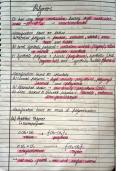
In the NCERT Chemistry curriculum, polymers are discussed in the context of organic chemistry. Here’s a description based on the NCERT textbook: 1. **Definition**: Polymers are large molecules made up of repeating subunits called monomers. They are formed through polymerization. 2. **Polymerization**: - **Addition Polymerization**: This process involves the addition of monomers with unsaturated bonds to form a polymer without the loss of any small molecules. Examples include the polymerization of ethylene to form polyethylene. - **Condensation Polymerization**: This process involves the reaction between monomers with two or more functional groups, leading to the formation of a polymer and the release of small molecules like water. Examples include the formation of nylon and polyester. 3. **Classification of Polymers**: - **Based on Source**: - **Natural Polymers**: Such as proteins, nucleic acids, and natural rubber. - **Synthetic Polymers**: Such as plastics (e.g., polyethylene, PVC), synthetic fibers (e.g., nylon, polyester), and rubbers. - **Based on Structure**: - **Linear Polymers**: Consist of long, straight chains (e.g., polyethylene). - **Branched Polymers**: Have side chains attached to the main chain (e.g., low-density polyethylene). - **Cross-linked Polymers**: Chains are interconnected to form a three-dimensional network (e.g., Bakelite). 4. **Properties**: - **Physical Properties**: Include characteristics such as tensile strength, flexibility, and melting point, which depend on the polymer's structure and molecular weight. - **Chemical Properties**: Polymers can be affected by chemical reactions such as hydrolysis, oxidation, and reactions with acids or bases. 5. **Applications**: Polymers are used in a variety of applications, including packaging, textiles, automotive parts, and medical devices. The study of polymers in the NCERT Chemistry curriculum provides foundational knowledge about their types, formation, and applications in everyday life and industry.
Document information
- School year
- 2
- Uploaded on
- August 7, 2024
- Number of pages
- 6
- Written in
- 2023/2024
- Type
- Class notes
- Professor(s)
- Ncert
- Contains
- Polymer


