Blood vessels
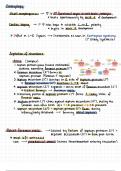
SMOOTH MUSCLE
60,000 miles of blood vessels in the body and an estimated 10 billion capillaries, measuring about
25,000 miles.
Arteries- carries away
The heart pumps blood out through one main artery called the dorsal aorta. This then divides and
branches out into many smaller arteries so that each region of your body has its own system of
arteries supplying it with fresh oxygen rich blood.
Arteries are tough and smooth on the inside and tough on the outside. The inner layer is smooth so
that blood can flow through them easily, with no obstacles. Arteries have 3 layers of epithelial cells.
The muscular wall of the artery helps the heart pump the blood, when they heart beats, the artery
expands as it fills with blood. When the heart relaxes, the artery contracts, exerting a force that is
strong enough to push the blood along.
Systolic is the heart contracting but the arteries open up.
Diastolic the heart relaxes but the arteries contract.
Capillaries are the smallest. The arteries deliver the oxygen-rich blood to the capillaries, where
gaseous exchange occurs and nutrient uptake from the villi. The capillaries also then deliver the
waste-rich blood to the veins for transport back to the lungs and heart.
5% of the blood circulating is in the capillaries.
The endothelium is a single-cell thickness. This allows oxygen and carbon dioxide to pass through
with ease as well as nutrients from the digestive tract and waste products that travels in the blood to
the kidneys to be filtered out.
Arterioles are a small-diameter blood vessel in the microcirculation that extends and branches out
from an artery and leads to capillaries
Venules are the same size but return blood to the veins.
Veins carry blood into the heart
Veins are returning deoxygenated blood back to the heart, where it will be received through the
right side and pumped up to the lungs to gaseous exchange.
Veins are carrying deoxygenated blood at a lower pressure and are therefore less muscular. To assist
the flow against gravity, veins have valve gates which stops the back flow of blood.
Veins are similar to arteries but, because they transport blood at a lower pressure, they are not as
strong as arteries. They have the same three layers; however, layers are thinner containing less
tissue.
What does blood do?
1. Transport of gases
The blood transports oxygen away from the lungs and around the body; and CO2 from the body cells
to the lungs. Red blood cells contain haemoglobin for this job.
SMOOTH MUSCLE
60,000 miles of blood vessels in the body and an estimated 10 billion capillaries, measuring about
25,000 miles.
Arteries- carries away
The heart pumps blood out through one main artery called the dorsal aorta. This then divides and
branches out into many smaller arteries so that each region of your body has its own system of
arteries supplying it with fresh oxygen rich blood.
Arteries are tough and smooth on the inside and tough on the outside. The inner layer is smooth so
that blood can flow through them easily, with no obstacles. Arteries have 3 layers of epithelial cells.
The muscular wall of the artery helps the heart pump the blood, when they heart beats, the artery
expands as it fills with blood. When the heart relaxes, the artery contracts, exerting a force that is
strong enough to push the blood along.
Systolic is the heart contracting but the arteries open up.
Diastolic the heart relaxes but the arteries contract.
Capillaries are the smallest. The arteries deliver the oxygen-rich blood to the capillaries, where
gaseous exchange occurs and nutrient uptake from the villi. The capillaries also then deliver the
waste-rich blood to the veins for transport back to the lungs and heart.
5% of the blood circulating is in the capillaries.
The endothelium is a single-cell thickness. This allows oxygen and carbon dioxide to pass through
with ease as well as nutrients from the digestive tract and waste products that travels in the blood to
the kidneys to be filtered out.
Arterioles are a small-diameter blood vessel in the microcirculation that extends and branches out
from an artery and leads to capillaries
Venules are the same size but return blood to the veins.
Veins carry blood into the heart
Veins are returning deoxygenated blood back to the heart, where it will be received through the
right side and pumped up to the lungs to gaseous exchange.
Veins are carrying deoxygenated blood at a lower pressure and are therefore less muscular. To assist
the flow against gravity, veins have valve gates which stops the back flow of blood.
Veins are similar to arteries but, because they transport blood at a lower pressure, they are not as
strong as arteries. They have the same three layers; however, layers are thinner containing less
tissue.
What does blood do?
1. Transport of gases
The blood transports oxygen away from the lungs and around the body; and CO2 from the body cells
to the lungs. Red blood cells contain haemoglobin for this job.