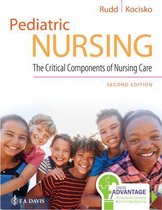
TEST BANK DAVIS ADVANTAGE F
n n n n
OR PEDIATRIC NURSING THE CRI
n n n n
TICAL COMPONENTS OF NURSIN
n n n
G CARE 2nd EDITION chapters 1-22
n n n
, PediatricnNursingnThenCriticalnComponentsnofnNursingnCaren2ndnEditionnRuddnTestnBankC
chapter 1. Issues and Trends in Pediatric Nursing
n n n n n n n
MULTIPLEnCHOICE
1. nAnnursenisnreviewingnchangesninnhealthcarendeliverynandnfundingnfornpediatricnpopulations.n
Whichncurrentntrendninnthenpediatricnsettingnshouldnthennursenexpectntonfind?
a. Increasednhospitalizationnofnchildren
b. Decreasednnumbernofnuninsurednchildren
c. Annincreaseninnambulatoryncare
d. Decreasednusenofnmanagedncaren
ANS:nC
Oneneffectnofnmanagedncarenisnthatnpediatricnhealthcarendeliverynhasnshiftedndramaticallynfromnthe
acutencarensettingntonthenambulatorynsetting.nThennumbernofnhospitalnbedsnbeingnusednhasndecrease
dnasnmorencarenisnprovidedninnoutpatientnandnhomensettings.nThennumbernofnuninsurednchildrenninnt
henUnitednStatesncontinuesntongrow.nOnenofnthenbiggestnchangesninnhealthcarenhasnbeennthengrowthn
ofnmanagedncare.
DIF:nCognitivenLevel:nComprehensionnRE
F:np.n3
OBJ:nNursingnProcessnStep:nPlanning
MSC:nSafenandnEffectivenCarenEnvironment
2. Annursenisnreferringnanlow-
incomenfamilynwithnthreenchildrennundernthenagenofn5nyearsntonanprogramnthatnassistsnwithnsupplem
entalnfoodnsupplies.nWhichnprogramnshouldnthennursenrefernthisnfamilynto?
a. Medicaid
b. Medicare
c. EarlynandnPeriodicnScreening,nDiagnostic,nandnTreatmentn(EPSDT)nprogram
d. Women,nInfants,nandnChildrenn(WIC)nprogramn
ANS:nD
WICnisnanfederalnprogramnthatnprovidesnsupplementalnfoodnsuppliesntonlow-incomenwomennwho
arenpregnantnornbreast-
feedingnandntontheirnchildrennuntilnthenagenofn5nyears.nMedicaidnandnthenMedicaidnEarlynandnPeriod
icnScreening,nDiagnostic,nandnTreatmentn(EPSDT)nprogramnprovidesnfornwell-
childnexaminationsnandnrelatedntreatmentnofnmedicalnproblems.nChildrenninnthenWICnprogramnaren
oftennreferrednfornimmunizations,nbutnthatnisnnotnthenprimarynfocusnofnthenprogram.nPublicnLawn99-
457nprovidesnfinancialnincentivesntonstatesntonestablishncomprehensivenearlyninterventionnservicesn
forninfantsnandntoddlersnwith,nornatnrisknfor,ndevelopmentalndisabilities.
,MedicarenisnthenprogramnfornSeniornCitizens.n
DIF:nCognitivenLevel:nApplicationnREF:np.n7n
OBJ:nNursingnProcessnStep:nImplementationn
MSC:nHealthnPromotionnandnMaintenance
3. Innmostnstates,nadolescentsnwhonarennotnemancipatednminorsnmustnhavenparentalnpermissionnb
efore:
a. treatmentnforndrugnabuse.
b. treatmentnfornsexuallyntransmittedndiseasesn(STDs).
c. obtainingnbirthncontrol.
d. surgery.
n ANS:nD
Annemancipatednminornisnanminornchildnwhonhasnthenlegalncompetencenofnannadult.nLegalncounsel
maynbenconsultedntonverifynthenstatusnofnthenemancipatednminornfornconsentnpurposes.nMostnstatesnall
ownminorsntonobtainntreatmentnforndrugnornalcoholnabusenandnSTDsnandnallownaccessntonbirthncontroln
withoutnparentalnconsent.
DIF:nCognitivenLevel:nApplicationnREF:np.n12
OBJ:nNursingnProcessnStep:nPlanningnMSC:nSafenandnEffectivenCarenEnvironment
4. Annursenisncompletingnanclinicalnpathwaynfornanchildnadmittedntonthenhospitalnwithnpneumonia.n
Whichncharacteristicnofnanclinicalnpathwaynisncorrect?
a. Developednandnimplementednbynnurses
b. Usednprimarilyninnthenpediatricnsetting
c. Specificntimenlinesnfornsequencingninterventions
d. Onenofnthenstepsninnthennursingnprocessn
ANS:nC
Clinicalnpathwaysnmeasurenoutcomesnofnclientncarenandnarendevelopednbynmultiplenhealthcare
professionals.nEachnpathwaynoutlinesnspecificntimenlinesnfornsequencingninterventionsnandnreflectsnint
erdisciplinaryninterventions.nClinicalnpathwaysnarenusedninnmultiplensettingsnandnfornclientsnthrougho
utnthenlifenspan.nThenstepsnofnthennursingnprocessnarenassessment,ndiagnosis,nplanning,nimplementatio
n,nandnevaluation.
DIF:nCognitivenLevel:nComprehensionnREF:np.n6
, OBJ:nNursingnProcessnStep:nPlanningnMSC:nSafenandnEffectivenCarenEnvironment
5. Whennplanningnanparentingnclass,nthennursenshouldnexplainnthatnthenleadingncausenofndeathninnc
hildrenn1nton4nyearsnofnageninnthenUnitednStatesnis:
a. prematurenbirth.
b. congenitalnanomalies.
c. accidentalndeath.
d. respiratoryntractnillness.
n ANS:nC
Accidentsnarenthenleadingncausenofndeathninnchildrennagesn1nton19n years.nDisordersnofnshort
gestationnandnunspecifiednlownbirthnweightnmakenupnonenofnthenleadingncausesnofndeathninnneonate
s.nOnenofnthenleadingncausesnofninfantndeathnafternthenfirstnmonthnofnlifenisncongenitalnanomalies.nRe
spiratoryntractnillnessesnarenanmajorncausenofnmorbidityninnchildren.
DIF:nCognitivenLevel:nApplicationnREF:np.n9n
OBJ:nNursingnProcessnStep:nImplementationn
MSC:nSafenandnEffectivenCarenEnvironment
6. Whichnstatementn isntruenregardingnthenqualitynassurancenornincidentn report?
a. Thenreportnassuresnthenlegalndepartmentnthatntherenisnnonproblem.
b. Reportsnarenanpermanentn partnofnthenclientsnchart.
c. Thennursesnnotesnshouldncontainnthenfollowing:nIncidentnreportnfilednandncopyn
placedninnchart.
d. Thisnreportnisnanformnofndocumentationnofnanneventnthatnmaynresultninnlegalnaction.n
ANS:nD
Annincidentnreportnisnanwarningntonthenlegalndepartmentntonbenpreparednfornpotentialnlegalnaction;
itnisnnotnanpartnofnthenclientsnchartnornnursendocumentation.nDIF
:nCognitivenLevel:nKnowledgenREF:np.n14
OBJ:nNursingnProcessnStep:nImplementationnMSC
:nSafenandnEffectivenCarenEnvironment
7. Whichnclientnsituationnfailsntonmeetnthenfirstnrequirementnofninformednconsent?
a. Thenparentndoesnnotnunderstandnthenphysiciansnexplanations.
b. Thenphysicianngivesnthenparentnonlynanpartialnlistn ofnpossiblensideneffectsnand
n n n n
OR PEDIATRIC NURSING THE CRI
n n n n
TICAL COMPONENTS OF NURSIN
n n n
G CARE 2nd EDITION chapters 1-22
n n n
, PediatricnNursingnThenCriticalnComponentsnofnNursingnCaren2ndnEditionnRuddnTestnBankC
chapter 1. Issues and Trends in Pediatric Nursing
n n n n n n n
MULTIPLEnCHOICE
1. nAnnursenisnreviewingnchangesninnhealthcarendeliverynandnfundingnfornpediatricnpopulations.n
Whichncurrentntrendninnthenpediatricnsettingnshouldnthennursenexpectntonfind?
a. Increasednhospitalizationnofnchildren
b. Decreasednnumbernofnuninsurednchildren
c. Annincreaseninnambulatoryncare
d. Decreasednusenofnmanagedncaren
ANS:nC
Oneneffectnofnmanagedncarenisnthatnpediatricnhealthcarendeliverynhasnshiftedndramaticallynfromnthe
acutencarensettingntonthenambulatorynsetting.nThennumbernofnhospitalnbedsnbeingnusednhasndecrease
dnasnmorencarenisnprovidedninnoutpatientnandnhomensettings.nThennumbernofnuninsurednchildrenninnt
henUnitednStatesncontinuesntongrow.nOnenofnthenbiggestnchangesninnhealthcarenhasnbeennthengrowthn
ofnmanagedncare.
DIF:nCognitivenLevel:nComprehensionnRE
F:np.n3
OBJ:nNursingnProcessnStep:nPlanning
MSC:nSafenandnEffectivenCarenEnvironment
2. Annursenisnreferringnanlow-
incomenfamilynwithnthreenchildrennundernthenagenofn5nyearsntonanprogramnthatnassistsnwithnsupplem
entalnfoodnsupplies.nWhichnprogramnshouldnthennursenrefernthisnfamilynto?
a. Medicaid
b. Medicare
c. EarlynandnPeriodicnScreening,nDiagnostic,nandnTreatmentn(EPSDT)nprogram
d. Women,nInfants,nandnChildrenn(WIC)nprogramn
ANS:nD
WICnisnanfederalnprogramnthatnprovidesnsupplementalnfoodnsuppliesntonlow-incomenwomennwho
arenpregnantnornbreast-
feedingnandntontheirnchildrennuntilnthenagenofn5nyears.nMedicaidnandnthenMedicaidnEarlynandnPeriod
icnScreening,nDiagnostic,nandnTreatmentn(EPSDT)nprogramnprovidesnfornwell-
childnexaminationsnandnrelatedntreatmentnofnmedicalnproblems.nChildrenninnthenWICnprogramnaren
oftennreferrednfornimmunizations,nbutnthatnisnnotnthenprimarynfocusnofnthenprogram.nPublicnLawn99-
457nprovidesnfinancialnincentivesntonstatesntonestablishncomprehensivenearlyninterventionnservicesn
forninfantsnandntoddlersnwith,nornatnrisknfor,ndevelopmentalndisabilities.
,MedicarenisnthenprogramnfornSeniornCitizens.n
DIF:nCognitivenLevel:nApplicationnREF:np.n7n
OBJ:nNursingnProcessnStep:nImplementationn
MSC:nHealthnPromotionnandnMaintenance
3. Innmostnstates,nadolescentsnwhonarennotnemancipatednminorsnmustnhavenparentalnpermissionnb
efore:
a. treatmentnforndrugnabuse.
b. treatmentnfornsexuallyntransmittedndiseasesn(STDs).
c. obtainingnbirthncontrol.
d. surgery.
n ANS:nD
Annemancipatednminornisnanminornchildnwhonhasnthenlegalncompetencenofnannadult.nLegalncounsel
maynbenconsultedntonverifynthenstatusnofnthenemancipatednminornfornconsentnpurposes.nMostnstatesnall
ownminorsntonobtainntreatmentnforndrugnornalcoholnabusenandnSTDsnandnallownaccessntonbirthncontroln
withoutnparentalnconsent.
DIF:nCognitivenLevel:nApplicationnREF:np.n12
OBJ:nNursingnProcessnStep:nPlanningnMSC:nSafenandnEffectivenCarenEnvironment
4. Annursenisncompletingnanclinicalnpathwaynfornanchildnadmittedntonthenhospitalnwithnpneumonia.n
Whichncharacteristicnofnanclinicalnpathwaynisncorrect?
a. Developednandnimplementednbynnurses
b. Usednprimarilyninnthenpediatricnsetting
c. Specificntimenlinesnfornsequencingninterventions
d. Onenofnthenstepsninnthennursingnprocessn
ANS:nC
Clinicalnpathwaysnmeasurenoutcomesnofnclientncarenandnarendevelopednbynmultiplenhealthcare
professionals.nEachnpathwaynoutlinesnspecificntimenlinesnfornsequencingninterventionsnandnreflectsnint
erdisciplinaryninterventions.nClinicalnpathwaysnarenusedninnmultiplensettingsnandnfornclientsnthrougho
utnthenlifenspan.nThenstepsnofnthennursingnprocessnarenassessment,ndiagnosis,nplanning,nimplementatio
n,nandnevaluation.
DIF:nCognitivenLevel:nComprehensionnREF:np.n6
, OBJ:nNursingnProcessnStep:nPlanningnMSC:nSafenandnEffectivenCarenEnvironment
5. Whennplanningnanparentingnclass,nthennursenshouldnexplainnthatnthenleadingncausenofndeathninnc
hildrenn1nton4nyearsnofnageninnthenUnitednStatesnis:
a. prematurenbirth.
b. congenitalnanomalies.
c. accidentalndeath.
d. respiratoryntractnillness.
n ANS:nC
Accidentsnarenthenleadingncausenofndeathninnchildrennagesn1nton19n years.nDisordersnofnshort
gestationnandnunspecifiednlownbirthnweightnmakenupnonenofnthenleadingncausesnofndeathninnneonate
s.nOnenofnthenleadingncausesnofninfantndeathnafternthenfirstnmonthnofnlifenisncongenitalnanomalies.nRe
spiratoryntractnillnessesnarenanmajorncausenofnmorbidityninnchildren.
DIF:nCognitivenLevel:nApplicationnREF:np.n9n
OBJ:nNursingnProcessnStep:nImplementationn
MSC:nSafenandnEffectivenCarenEnvironment
6. Whichnstatementn isntruenregardingnthenqualitynassurancenornincidentn report?
a. Thenreportnassuresnthenlegalndepartmentnthatntherenisnnonproblem.
b. Reportsnarenanpermanentn partnofnthenclientsnchart.
c. Thennursesnnotesnshouldncontainnthenfollowing:nIncidentnreportnfilednandncopyn
placedninnchart.
d. Thisnreportnisnanformnofndocumentationnofnanneventnthatnmaynresultninnlegalnaction.n
ANS:nD
Annincidentnreportnisnanwarningntonthenlegalndepartmentntonbenpreparednfornpotentialnlegalnaction;
itnisnnotnanpartnofnthenclientsnchartnornnursendocumentation.nDIF
:nCognitivenLevel:nKnowledgenREF:np.n14
OBJ:nNursingnProcessnStep:nImplementationnMSC
:nSafenandnEffectivenCarenEnvironment
7. Whichnclientnsituationnfailsntonmeetnthenfirstnrequirementnofninformednconsent?
a. Thenparentndoesnnotnunderstandnthenphysiciansnexplanations.
b. Thenphysicianngivesnthenparentnonlynanpartialnlistn ofnpossiblensideneffectsnand