

North Carolina State University
Latest uploads at North Carolina State University. Looking for notes at North Carolina State University? We have lots of notes, study guides and study notes available for your school.
-
455
-
2
-
27
All courses for North Carolina State University
Latest content North Carolina State University

This lab introduces SDS-PAGE to separate bacterial proteins by molecular weight following induction with glucose, lactose, or IPTG in cells carrying the pET41a-CaMPARI vector. It also covers the transfer of proteins to a PVDF membrane in preparation for Western blotting. The experiment sets the stage for identifying GST::CaMPARI expression and evaluating the effectiveness of different inducers.

This lab introduces SDS-PAGE and membrane transfer techniques to begin visualizing CaMPARI protein expression using the pET41a-CaMPARI bacterial expression vector. It prepares students for Western blotting by identifying protein bands and assessing sample quality post-induction with lactose and IPTG. These results lay the foundation for confirming protein identity and expression efficiency in subsequent labs.

This document provides detailed instructions for recording experimental results and analyses for Lab 8, focused on the detection and quantification of GST::CaMPARI protein using Western blotting and ImageJ software. It emphasizes the use of iBind protocols, interpretation of class-wide data, and discussion of protein expression induced by IPTG or lactose.

This lab focused on detecting GST::CaMPARI protein expression using Western blotting, followed by quantification with ImageJ software. Students compared protein expression levels induced by different derepressor molecules (e.g., IPTG vs. lactose) and analyzed results across the class using bar graphs and fold change calculations.
This lab focuses on purifying the CaMPARI protein using affinity chromatography, testing its calcium responsiveness through in vitro manipulation with CaCl₂ and EGTA, and quantifying protein concentration using the Bradford Assay. The lab integrates key biochemical techniques to evaluate CaMPARI’s behavior in response to calcium, laying the groundwork for later experiments involving photoconversion and mammalian expression systems.

In this lab, we investigated the fluorescence response of CaMPARI-expressing cells to two treatments: ATP and Tris-HCl, which will serve as controls for our pharmacology experiment next week. ATP is expected to increase intracellular calcium levels, which should cause a fluorescence shift in CaMPARI due to its calcium-dependent photoconversion. Tris-HCl serves as a negative control and is not expected to alter intracellular calcium levels, so no significant change in fluorescence is antici...
In this lab, we used three protocols: Gibson Assembly, Transformation, and the Interim Lab. Each of these protocols was critical for progressing our CaMPARI project: Gibson Assembly was used to combine our linear DNA fragments into a complete plasmid (pHLsec-CaMPARI). Transformation allowed us to introduce this newly assembled plasmid into competent E. coli DH5-alpha cells. The Interim Lab helped us track our progress and ensure our plasmid was constructed correctly before proceeding to...

This document provides an overview of the biological foundations of cancer, focusing on the genetic and cellular processes involved in tumor development and progression. It covers the differences between benign, malignant, and metastatic tumors, highlights the role of environmental factors and age in cancer incidence, and explains how cell division errors contribute to cancer. Key genetic components are discussed, including tumor suppressor genes (e.g., p53, RB, BRCA1/2) and oncogenes, along wit...
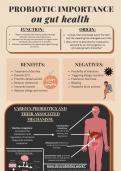
honors project for microbiology
MIE 330 Mulvey Test 2 MIE 330 Mulvey Test 2 NC State, NCSU, Paul Mulvey, MIE 330, MIE330. HR, Human Resources Questions With Complete Solutions