Zoology (BIOL3270)

College Of Coastal Georgia

Here are the best resources to pass Zoology (BIOL3270). Find Zoology (BIOL3270) study guides, notes, assignments, and much more.

All 14 results

Sort by:
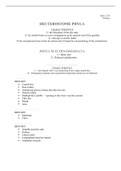
Phylum Echinodermata lab notes
  • Class notes

    Phylum Echinodermata lab notes

  • Describes the structures that should be identified and understood during the dissection of a sea star. Identifies common names of taxonomic groups and structures that should be known. Introduces Phylum Chordata, briefly discussing Subphylum Urochordata and Subphylum Cephalochordata.
  • caitlynnapier
    $3.99 More Info
Subphylum Chelicerata lab notes
  • Class notes

    Subphylum Chelicerata lab notes

  • Taxonomic classifications of major chelicerate groups, as well as descriptions of each and structures that should be identified and understood.
  • caitlynnapier
    $3.99 More Info
Subphyla Myriapoda and Hexapoda lab notes
  • Class notes

    Subphyla Myriapoda and Hexapoda lab notes

  • Discusses structures and identifying characteristics of both subphyla. In depth Grasshopper dissection discussion, and all identifying taxonomic classification described.
  • caitlynnapier
    $3.99 More Info
Subphylum Crustacea lab notes
  • Class notes

    Subphylum Crustacea lab notes

  • Describes structures to be identified and taxonomic classifications of Crustaceans ranging from giant Japanese spider crabs to microscopic copepods. Includes very short section on crustacea larval development.
  • caitlynnapier
    $3.99 More Info
Chondrichthyes understanding assignment
  • Class notes

    Chondrichthyes understanding assignment

  • Three questions about sharks cranial region, breathing apparatus and movements. Compares to other invertebrate fish and discusses spiracles vs swim bladder.
  • caitlynnapier
    $3.99 More Info
Phylum Chordata (fish) lab notes
  • Class notes

    Phylum Chordata (fish) lab notes

  • Outlines the structures and functions of various fish species. Includes an in-depth explanation of shark organs and their functions, and the different scale types different fish possess.
  • caitlynnapier
    $3.99 More Info
Phylum Annelida (and lophophorates) lab notes
  • Class notes

    Phylum Annelida (and lophophorates) lab notes

  • Describes the necessary structures and functions that need to be identified and understood in a variety of Annelids and lophophores.
  • caitlynnapier
    $3.99 More Info
Phylogenetic relationships assignment
  • Class notes

    Phylogenetic relationships assignment

  • Provides an example of how to build a phylogenetic tree and determine species relationships based on observed traits.
  • caitlynnapier
    $3.99 More Info
Phyla Nematoda, Tardigrada and Onycophora lab notes
  • Class notes

    Phyla Nematoda, Tardigrada and Onycophora lab notes

  • Describes different species and what needs to be identified/understood about each. Briefly highlights which Nematoda species cause which diseases.
  • caitlynnapier
    $3.99 More Info
Phylum Annelida understanding assignment
  • Class notes

    Phylum Annelida understanding assignment

  • Three questions assessing your understanding of Planaria and their behaviours.
  • caitlynnapier
    $3.99 More Info
Phylum Chordata (reptilia, amphibia, mammalia) lab notes
  • Class notes

    Phylum Chordata (reptilia, amphibia, mammalia) lab notes

  • Describes features you need to know for exams/quizzes, including skeletal structure, internal organs, and circulatory system. Also explains the function of organs, and describes the origin/purpose of bones and heart.
  • caitlynnapier
    $3.99 More Info
And that's how you make extra money
Did you know that on average a seller on Stuvia earns $82 per month selling study resources? Hmm, hint, hint.