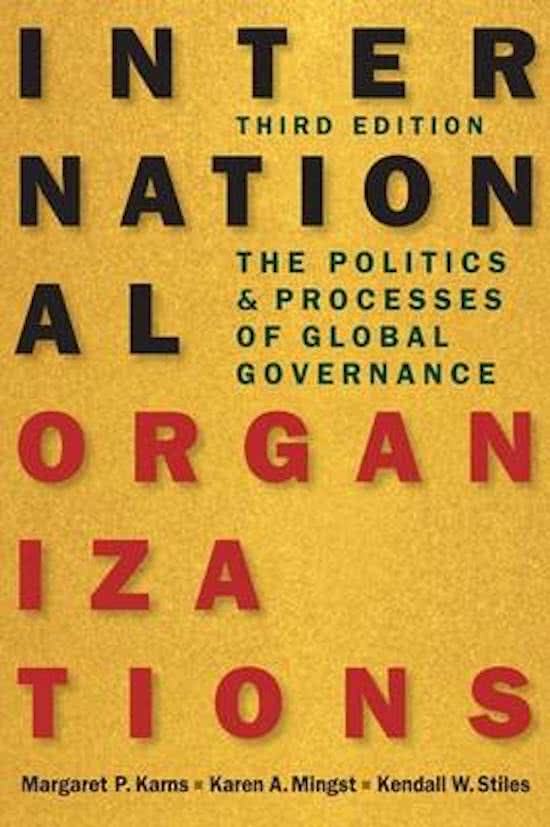
International Administration
Hoorcollege 1: Introduction to International Administration
Questions
Have you ever:
- Visited offices of international organizations?
- Used services of international organizations?
Smartphone?
- Smartphone charger: Lightning or USB-C?
Passport?
- All passports the same size worldwide?
What’s common?
- International organizations set standards for both USB-C and passports
Global Standards at Work
European Commission: USB-C Regulation
- Adopted: October 2022
- Starts: December 2024
- All mobile devices must use USB-C
- Aims: less e-waste, consumer convenience
International Passport Standards
- ICAO (international Civil Aviation Organization) Standards
- Same size: 88mm x 125mm
- Same format worldwide
- Machine readable
- Security features
Why Study International Administration?
International Organizations and their Administrations:
- Shape our daily lives
- Address global challenges
- Make important decisions
- Affect national policies
Key Questions and Dilemmas
- Why do IOs set standards for our daily life?
- Why not let each country decide?
- What are sources of power of IOs?
- Who holds power within IOs?
- And who holds IOs accountable?
Case study: World Bank
Meet Ms. Kristalina Georgieva
- Born in 1953, Bulgarian nationality
- Economist
- 1993-2010: various positions at World Bank
- 2010-2017: CEO World Bank
- 2019: acting President World Bank
- 2019-present: Managing director International Monetary Fund
Accusations of data manipulation
, - Report US law firm: Georgieva has actively manipulated data in Doing
Business Report during her term as CEO at World Bank
- IMF Board expressed confidence in Mrs Georgieva’s leadership as report
‘did not conclusively demonstrate’ that she acted improperly
Doing Business Reports
- Annual rankings of countries based on their business regulations and
economic environment
- Important for countries because it shows how well countries have reformed
their economies and have become attractive markets for business
- Drops in the rank are sensitive and are often disputed by countries who
have lost their position
- Doing Business Index is powerful at influencing the decisions of countries
o It is the leading benchmark in the world
o Countries attract foreign direct investments (FDI) with good rankings
Bone of contention: China’s rank in 2018
- China concerned about rank (first #85)
- Oct 17, 2017: senior staff president & DB leadership
o Methodological changes to improve China’s rank?
o Incorporate Taiwan and Hong Kong data to China? (rank moves up to
70)
- Oct 18: on Georgieva’s desk
o Including HK data into China politically not feasible, rank jump too
high
o Staffer suggests methodological change: use high scores for the
largest cities in China instead of weighted averages
- Oct 19:
o Using high scores would affect other countries’ ranks
o Three indicators (Legal Rights, Starting a Business, Paying Taxes)
were recorded only for China, giving China a better score (#78)
Why?
China’s perspective
- High positions or improvements in DB make a country more attractive to
foreign investors (FDI)
- Economic growth gives a country more power in management WB and IMF
- Prestige for state leaders: a drop as in China’s case would come down
harsh
World Bank’s perspective
- Sensitive negotiations over capital increase campaign (2017-2018). Need
China’s support
- Concerns about China’s reduction of its commitments to the Bank
, - For CEO Kristalina Georgieva China’s reduction would endanger
multilateralism
What can we learn from this case?
- Importance of international organizations
- Administrative politics within international organizations
- Bureaucratic autonomy of international organizations
- Role of leadership at international organizations
- Staff and civil servant influence on decision-making
- Power of information and data
- Accountability at the global level
- Organizational culture within international bureaucracies
Traditional perspectives on International Organizations
Perspectives
Traditional and mainstream perspectives
- Realism
- Liberalism
A new and emerging perspective
- Public administration perspective
Realism
- States are the primary actors in the international system
- States are rational, self-interested actors
o States act to protect their own interests
o Seek to maximize their own power and security
- Anarchy: absence of international authority
o International rules and norms do not restrain states because there is
no world government, court of police that can enforce them on
states
- International competition rather than cooperation
o “It is a jungle out there”, “survival of the fittest”
A realist perspective on international organizations
International organizations are the instruments of (the most powerful) states
- IOs have no authority of their own
- IOs have no independent effect on world politics
International law and organizations are weak and ineffective
- International agreements are not enforceable
NGOs have no power on the international level
Transnational networks do not count as they lack ‘actorness’
- Have no self-interest
- No organizational body or leadership for deciding on action
Liberalism
- States are important, but they are not the only actors in the international
system
- State action is not only based on self-interest, but also on moral and
ethical principles
o (Most) States care about peace, social progress and justice
- International cooperation is possible
- International cooperation will grow over time
o Interdependence leads to cooperation which leads to international
peace, justice, prosperity
, A liberal perspective on international organizations
- International organizations are arenas where states interact and cooperate
to solve common transboundary problems
- International organizations contribute to maintaining peace and order
- Power still matters, but it is exercised within the framework of international
rules and institutions
o International law matters as well
- ‘Soft power’ more important than ‘hard power’
- NGOs and other global governance actors play significant roles in
international realm
Application to the case
A Public Administration perspective on IOs
Why a public administration perspective?
- Existing perspectives on global governance have a blind spot for the role of
international civil servants and administrations in global policy making
- The process and outcome of global politics cannot fully be understood by
looking only at the cooperative and competitive behaviours of national
states
- International bureaucracies have the resources, the technical expertise,
and their own interests to leave a significant mark on public policymaking
in the global realm
In contrast to:
- Realism
o International organizations are not just extensions and instruments
of (powerful) states, but are serious and distinct actors in global
governance
- Liberalism
o International organizations are not just sites or arenas where states
interact, but are actors with their own preferences. Liberalism pays
specific attention to assemblies and councils of IGOs, whereas PA
focuses also on secretariats
Hoorcollege 1: Introduction to International Administration
Questions
Have you ever:
- Visited offices of international organizations?
- Used services of international organizations?
Smartphone?
- Smartphone charger: Lightning or USB-C?
Passport?
- All passports the same size worldwide?
What’s common?
- International organizations set standards for both USB-C and passports
Global Standards at Work
European Commission: USB-C Regulation
- Adopted: October 2022
- Starts: December 2024
- All mobile devices must use USB-C
- Aims: less e-waste, consumer convenience
International Passport Standards
- ICAO (international Civil Aviation Organization) Standards
- Same size: 88mm x 125mm
- Same format worldwide
- Machine readable
- Security features
Why Study International Administration?
International Organizations and their Administrations:
- Shape our daily lives
- Address global challenges
- Make important decisions
- Affect national policies
Key Questions and Dilemmas
- Why do IOs set standards for our daily life?
- Why not let each country decide?
- What are sources of power of IOs?
- Who holds power within IOs?
- And who holds IOs accountable?
Case study: World Bank
Meet Ms. Kristalina Georgieva
- Born in 1953, Bulgarian nationality
- Economist
- 1993-2010: various positions at World Bank
- 2010-2017: CEO World Bank
- 2019: acting President World Bank
- 2019-present: Managing director International Monetary Fund
Accusations of data manipulation
, - Report US law firm: Georgieva has actively manipulated data in Doing
Business Report during her term as CEO at World Bank
- IMF Board expressed confidence in Mrs Georgieva’s leadership as report
‘did not conclusively demonstrate’ that she acted improperly
Doing Business Reports
- Annual rankings of countries based on their business regulations and
economic environment
- Important for countries because it shows how well countries have reformed
their economies and have become attractive markets for business
- Drops in the rank are sensitive and are often disputed by countries who
have lost their position
- Doing Business Index is powerful at influencing the decisions of countries
o It is the leading benchmark in the world
o Countries attract foreign direct investments (FDI) with good rankings
Bone of contention: China’s rank in 2018
- China concerned about rank (first #85)
- Oct 17, 2017: senior staff president & DB leadership
o Methodological changes to improve China’s rank?
o Incorporate Taiwan and Hong Kong data to China? (rank moves up to
70)
- Oct 18: on Georgieva’s desk
o Including HK data into China politically not feasible, rank jump too
high
o Staffer suggests methodological change: use high scores for the
largest cities in China instead of weighted averages
- Oct 19:
o Using high scores would affect other countries’ ranks
o Three indicators (Legal Rights, Starting a Business, Paying Taxes)
were recorded only for China, giving China a better score (#78)
Why?
China’s perspective
- High positions or improvements in DB make a country more attractive to
foreign investors (FDI)
- Economic growth gives a country more power in management WB and IMF
- Prestige for state leaders: a drop as in China’s case would come down
harsh
World Bank’s perspective
- Sensitive negotiations over capital increase campaign (2017-2018). Need
China’s support
- Concerns about China’s reduction of its commitments to the Bank
, - For CEO Kristalina Georgieva China’s reduction would endanger
multilateralism
What can we learn from this case?
- Importance of international organizations
- Administrative politics within international organizations
- Bureaucratic autonomy of international organizations
- Role of leadership at international organizations
- Staff and civil servant influence on decision-making
- Power of information and data
- Accountability at the global level
- Organizational culture within international bureaucracies
Traditional perspectives on International Organizations
Perspectives
Traditional and mainstream perspectives
- Realism
- Liberalism
A new and emerging perspective
- Public administration perspective
Realism
- States are the primary actors in the international system
- States are rational, self-interested actors
o States act to protect their own interests
o Seek to maximize their own power and security
- Anarchy: absence of international authority
o International rules and norms do not restrain states because there is
no world government, court of police that can enforce them on
states
- International competition rather than cooperation
o “It is a jungle out there”, “survival of the fittest”
A realist perspective on international organizations
International organizations are the instruments of (the most powerful) states
- IOs have no authority of their own
- IOs have no independent effect on world politics
International law and organizations are weak and ineffective
- International agreements are not enforceable
NGOs have no power on the international level
Transnational networks do not count as they lack ‘actorness’
- Have no self-interest
- No organizational body or leadership for deciding on action
Liberalism
- States are important, but they are not the only actors in the international
system
- State action is not only based on self-interest, but also on moral and
ethical principles
o (Most) States care about peace, social progress and justice
- International cooperation is possible
- International cooperation will grow over time
o Interdependence leads to cooperation which leads to international
peace, justice, prosperity
, A liberal perspective on international organizations
- International organizations are arenas where states interact and cooperate
to solve common transboundary problems
- International organizations contribute to maintaining peace and order
- Power still matters, but it is exercised within the framework of international
rules and institutions
o International law matters as well
- ‘Soft power’ more important than ‘hard power’
- NGOs and other global governance actors play significant roles in
international realm
Application to the case
A Public Administration perspective on IOs
Why a public administration perspective?
- Existing perspectives on global governance have a blind spot for the role of
international civil servants and administrations in global policy making
- The process and outcome of global politics cannot fully be understood by
looking only at the cooperative and competitive behaviours of national
states
- International bureaucracies have the resources, the technical expertise,
and their own interests to leave a significant mark on public policymaking
in the global realm
In contrast to:
- Realism
o International organizations are not just extensions and instruments
of (powerful) states, but are serious and distinct actors in global
governance
- Liberalism
o International organizations are not just sites or arenas where states
interact, but are actors with their own preferences. Liberalism pays
specific attention to assemblies and councils of IGOs, whereas PA
focuses also on secretariats