

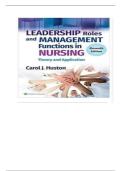
,TABLE OF CONTENT FC FC
UNIT I The Critical Triad: Decision Making, Management, and Leadership
FC FC FC FC FC FC FC FC
Chapter 1 FC
Decision Making, Problem Solving, Critical Thinking, and Clinical Reasonin
FC FC FC FC FC FC FC FC
g: Requisites for Successful Leadership and Management
FC FC FC FC FC FC
Chapter 2 Classical Views of Leadership and Management
FC FC FC FC FC FC
Chapter 3 Twenty-First-Century Thinking About Leadership and Management
FC FC FC FC FC FC
UNIT II FC
Foundation for Effective Leadership and Management: Ethics, Law, a
FC FC FC FC FC FC FC FC
nd Advocacy
FC
Chapter 4 Ethical Issues
FC FC
Chapter 5 Legal and Legislative Issues
FC FC FC FC
Chapter 6 Patient, Subordinate, Workplace, and Professional Advocacy
FC FC FC FC FC FC
UNIT III Roles and Functions in Planni
FC F C FC FC FC FC
ng Chapter 7
FC FC
Organizational Planning FC FC
Chapter 8 Planned Change
FC FC
Chapter 9 Time Management
FC FC
Chapter 10 FC
Fiscal Planning and Health Care Reimburseme FC FC FC FC FC
nt Chapter 11
FC Career Planning and Development in Nursing
FC FC FC FC FC FC
UNIT IV Roles and Functions in Organizing
FC F C FC FC FC FC
Chapter 12 Organizational Structure
FC FC
Chapter 13 FC
Organizational, Political, and Personal Powe FC FC FC FC
r Chapter 14
FC Organizing Patient Care
FC FC FC
UNIT V Roles and Functions in Staffing
FC FC FC FC FC
Chapter 15 FC
Employee Recruitment, Selection, Placement, and Onboardin FC FC FC FC FC
g Chapter 16
FC FC
Educating and Socializing Staff in a Learning Organization FC FC FC FC FC FC FC FC
Chapter 17 Staffing Needs and Scheduling Policies
FC FC FC FC FC
UNIT VI Roles and Functions in Directing
FC F C FC FC FC FC
Chapter 18 Creating a Motivating Climate
FC FC FC FC
Chapter 19 FC
Organizational, Interpersonal, and Group Communication in Team Buildi FC FC FC FC FC FC FC
ng Chapter 20 Delegation
FC FC
Chapter 21 Conflict, Workplace Violence, and Negotiation
FC FC FC FC FC
Chapter 22 Collective Bargaining, Unionization, and Employment Laws
FC FC FC FC FC FC
UNIT VII Roles and Functions in Controlling
FC FC FC FC FC FC
Chapter 23 FC
Quality Control in Creating a Culture of Patient Safe FC FC FC FC FC FC FC FC
ty Chapter 24
FC Performance Appraisal
FC FC
Chapter 25 FC
Problem Employees: Rule Breakers, Marginal Employees, and Those Wi FC FC FC FC FC FC FC FC
th Substance Use Disorder
FC FC FC
,Chapter 01: Decision making, problem solving critical thinking and
FC FC FC FC FC FC FC FC
clinical reasoning: request for successful management and leadershi
FC FC FC FC FC FC FC FC
p
MULTIPLE QUESTIONS FC
1. What statement is true regarding decision making?
FC FC FC FC FC FC
A) It is an analysis of a situation
FC FC FC FC FC FC
B) It is closely related to evaluation
FC FC FC FC FC
C) It involves choosing between courses of action
FC FC FC FC FC FC
D) It is dependent upon finding the cause of a probl
FC FC FC FC FC FC FC FC FC
em ANSWER: C
FC FC
Feedback:
Decision making is a complex cognitive process often defined as choosing a partic
FC FC FC FC FC FC FC FC FC FC FC FC
ular course of action. Problem solving is part of decision making and is a systematic
FC FC FC FC FC FC FC FC FC FC FC FC FC FC
process that focuses on analyzing a difficult situation. Critical thinking, sometimes re
FC FC FC FC FC FC FC FC FC FC FC FC
ferred to as reflective thinking, is related to evaluation and has a broader scope tha
FC FC FC FC FC FC FC FC FC FC FC FC FC FC
n decision making and problem solving.
FC FC FC FC FC
2. What is a weakness of the traditional problem-solving model?
FC FC FC FC FC FC FC FC
A) Its need for implementation time FC FC FC FC
B) Its lack of a step requiring evaluation of results
FC FC FC FC FC FC FC FC
C) Its failure to gather sufficient data
FC FC FC FC FC
D) Its failure to evaluate alternative
FC FC FC FC
s ANSWER: A
FC FC
Feedback:
The traditional problem-
FC FC
solving model is less effective when time constraints are a consideration. Decision
FC FC FC FC FC FC FC FC FC FC FC FC
making can occur without the full analysis required in problem solving. Because prob
FC FC FC FC FC FC FC FC FC FC FC FC
lem solving attempts to identify the root problem in situations, much time and ene
FC FC FC FC FC FC FC FC FC FC FC FC FC
rgy are spent on identifying the real problem.
FC FC FC FC FC FC FC
3. Which of the following statements is true regarding decision making?
FC FC FC FC FC FC FC FC FC
A) Scientific methods provide identical decisions by different individuals for t
FC FC FC FC FC FC FC FC FC
he same problems FC FC
B) Decisions are greatly influenced by each person's value system FC FC FC FC FC FC FC FC
C) Personal beliefs can be adjusted for when the scientific approach to probl
FC FC FC FC FC FC FC FC FC FC FC
em solving is used FC FC FC
D) Past experience has little to do with the quality of the decisi
FC FC FC FC FC FC FC FC FC FC FC
on ANSWER: B
FC FC
Feedback:
Values, life experience, individual preference, and individual ways of thinking will
FC FC FC FC FC FC FC FC FC FC F
Cinfluence a person's decision making. No matter how objective the criteria will be, v
FC FC FC FC FC FC FC FC FC FC FC FC FC
alue judgments will always play a part in a person's decision making, either consci
FC FC FC FC FC FC FC FC FC FC FC FC FC
ously or subconsciously.
FC FC
, 4. What influences the quality of a decision most often?
FC FC FC FC FC FC FC FC
A) The decision maker's immediate superior
FC FC FC FC
B) The type of decision that needs to be made
FC FC FC FC FC FC FC FC
C) Questions asked and alternatives generated FC FC FC FC
D) The time of day the decision is ma
FC FC FC FC FC FC FC
de ANSWER: C
FC FC
Feedback:
The greater the number of alternatives that can be generated by the decision maker, t
FC FC FC FC FC FC FC FC FC FC FC FC FC FC
he better the final decision will be. The alternatives generated and the final choices
FC FC FC FC FC FC FC FC FC FC FC FC FC
are limited by each person's value system.
FC FC FC FC FC FC FC
5. What does knowledge about good decision-making lead one to believe?
FC FC FC FC FC FC FC FC FC
A) Good decision makers are usually right-brain, intuitive thinkers
FC FC FC FC FC FC FC
B) Effective decision makers are sensitive to the situation and to others
FC FC FC FC FC FC FC FC FC FC
C) Good decisions are usually made by left-brain, logical thinkers
FC FC FC FC FC FC FC FC
D) Good decision making requires analytical rather than creative process
FC FC FC FC FC FC FC FC
es ANSWER: B
FC FC
Feedback:
Good decision makers seem to have antennae that make them particularly sensitive
FC FC FC FC FC FC FC FC FC FC FC F
Cto other people and situations. Left-
FC FC FC FC FC
brain thinkers are typically better at processing language, logic, numbers, and seque
FC FC FC FC FC FC FC FC FC FC FC
ntial ordering, whereas right-
FC FC FC
brain thinkers excel at nonverbal ideation and holistic synthesizing.
FC FC FC FC FC FC FC FC
6. What is the best definition of decision making?
FC FC FC FC FC FC FC
A) The planning process of management
FC FC FC FC
B) The evaluation phase of the executive role
FC FC FC FC FC FC
C) One step in the problem-solving process
FC FC FC FC FC
D) Required to justify the need for scarce ite FC FC FC FC FC FC FC
ms ANSWER: C
FC FC
Feedback:
Decision making is a complex, cognitive process often defined as choosing a particula
FC FC FC FC FC FC FC FC FC FC FC FC
r course of action. Decision making, one step in the problem-
FC FC FC FC FC FC FC FC FC FC
solving process, is an important task that relies heavily on critical thinking and cli
FC FC FC FC FC FC FC FC FC FC FC FC FC
nical reasoning skills.
FC FC
UNIT I The Critical Triad: Decision Making, Management, and Leadership
FC FC FC FC FC FC FC FC
Chapter 1 FC
Decision Making, Problem Solving, Critical Thinking, and Clinical Reasonin
FC FC FC FC FC FC FC FC
g: Requisites for Successful Leadership and Management
FC FC FC FC FC FC
Chapter 2 Classical Views of Leadership and Management
FC FC FC FC FC FC
Chapter 3 Twenty-First-Century Thinking About Leadership and Management
FC FC FC FC FC FC
UNIT II FC
Foundation for Effective Leadership and Management: Ethics, Law, a
FC FC FC FC FC FC FC FC
nd Advocacy
FC
Chapter 4 Ethical Issues
FC FC
Chapter 5 Legal and Legislative Issues
FC FC FC FC
Chapter 6 Patient, Subordinate, Workplace, and Professional Advocacy
FC FC FC FC FC FC
UNIT III Roles and Functions in Planni
FC F C FC FC FC FC
ng Chapter 7
FC FC
Organizational Planning FC FC
Chapter 8 Planned Change
FC FC
Chapter 9 Time Management
FC FC
Chapter 10 FC
Fiscal Planning and Health Care Reimburseme FC FC FC FC FC
nt Chapter 11
FC Career Planning and Development in Nursing
FC FC FC FC FC FC
UNIT IV Roles and Functions in Organizing
FC F C FC FC FC FC
Chapter 12 Organizational Structure
FC FC
Chapter 13 FC
Organizational, Political, and Personal Powe FC FC FC FC
r Chapter 14
FC Organizing Patient Care
FC FC FC
UNIT V Roles and Functions in Staffing
FC FC FC FC FC
Chapter 15 FC
Employee Recruitment, Selection, Placement, and Onboardin FC FC FC FC FC
g Chapter 16
FC FC
Educating and Socializing Staff in a Learning Organization FC FC FC FC FC FC FC FC
Chapter 17 Staffing Needs and Scheduling Policies
FC FC FC FC FC
UNIT VI Roles and Functions in Directing
FC F C FC FC FC FC
Chapter 18 Creating a Motivating Climate
FC FC FC FC
Chapter 19 FC
Organizational, Interpersonal, and Group Communication in Team Buildi FC FC FC FC FC FC FC
ng Chapter 20 Delegation
FC FC
Chapter 21 Conflict, Workplace Violence, and Negotiation
FC FC FC FC FC
Chapter 22 Collective Bargaining, Unionization, and Employment Laws
FC FC FC FC FC FC
UNIT VII Roles and Functions in Controlling
FC FC FC FC FC FC
Chapter 23 FC
Quality Control in Creating a Culture of Patient Safe FC FC FC FC FC FC FC FC
ty Chapter 24
FC Performance Appraisal
FC FC
Chapter 25 FC
Problem Employees: Rule Breakers, Marginal Employees, and Those Wi FC FC FC FC FC FC FC FC
th Substance Use Disorder
FC FC FC
,Chapter 01: Decision making, problem solving critical thinking and
FC FC FC FC FC FC FC FC
clinical reasoning: request for successful management and leadershi
FC FC FC FC FC FC FC FC
p
MULTIPLE QUESTIONS FC
1. What statement is true regarding decision making?
FC FC FC FC FC FC
A) It is an analysis of a situation
FC FC FC FC FC FC
B) It is closely related to evaluation
FC FC FC FC FC
C) It involves choosing between courses of action
FC FC FC FC FC FC
D) It is dependent upon finding the cause of a probl
FC FC FC FC FC FC FC FC FC
em ANSWER: C
FC FC
Feedback:
Decision making is a complex cognitive process often defined as choosing a partic
FC FC FC FC FC FC FC FC FC FC FC FC
ular course of action. Problem solving is part of decision making and is a systematic
FC FC FC FC FC FC FC FC FC FC FC FC FC FC
process that focuses on analyzing a difficult situation. Critical thinking, sometimes re
FC FC FC FC FC FC FC FC FC FC FC FC
ferred to as reflective thinking, is related to evaluation and has a broader scope tha
FC FC FC FC FC FC FC FC FC FC FC FC FC FC
n decision making and problem solving.
FC FC FC FC FC
2. What is a weakness of the traditional problem-solving model?
FC FC FC FC FC FC FC FC
A) Its need for implementation time FC FC FC FC
B) Its lack of a step requiring evaluation of results
FC FC FC FC FC FC FC FC
C) Its failure to gather sufficient data
FC FC FC FC FC
D) Its failure to evaluate alternative
FC FC FC FC
s ANSWER: A
FC FC
Feedback:
The traditional problem-
FC FC
solving model is less effective when time constraints are a consideration. Decision
FC FC FC FC FC FC FC FC FC FC FC FC
making can occur without the full analysis required in problem solving. Because prob
FC FC FC FC FC FC FC FC FC FC FC FC
lem solving attempts to identify the root problem in situations, much time and ene
FC FC FC FC FC FC FC FC FC FC FC FC FC
rgy are spent on identifying the real problem.
FC FC FC FC FC FC FC
3. Which of the following statements is true regarding decision making?
FC FC FC FC FC FC FC FC FC
A) Scientific methods provide identical decisions by different individuals for t
FC FC FC FC FC FC FC FC FC
he same problems FC FC
B) Decisions are greatly influenced by each person's value system FC FC FC FC FC FC FC FC
C) Personal beliefs can be adjusted for when the scientific approach to probl
FC FC FC FC FC FC FC FC FC FC FC
em solving is used FC FC FC
D) Past experience has little to do with the quality of the decisi
FC FC FC FC FC FC FC FC FC FC FC
on ANSWER: B
FC FC
Feedback:
Values, life experience, individual preference, and individual ways of thinking will
FC FC FC FC FC FC FC FC FC FC F
Cinfluence a person's decision making. No matter how objective the criteria will be, v
FC FC FC FC FC FC FC FC FC FC FC FC FC
alue judgments will always play a part in a person's decision making, either consci
FC FC FC FC FC FC FC FC FC FC FC FC FC
ously or subconsciously.
FC FC
, 4. What influences the quality of a decision most often?
FC FC FC FC FC FC FC FC
A) The decision maker's immediate superior
FC FC FC FC
B) The type of decision that needs to be made
FC FC FC FC FC FC FC FC
C) Questions asked and alternatives generated FC FC FC FC
D) The time of day the decision is ma
FC FC FC FC FC FC FC
de ANSWER: C
FC FC
Feedback:
The greater the number of alternatives that can be generated by the decision maker, t
FC FC FC FC FC FC FC FC FC FC FC FC FC FC
he better the final decision will be. The alternatives generated and the final choices
FC FC FC FC FC FC FC FC FC FC FC FC FC
are limited by each person's value system.
FC FC FC FC FC FC FC
5. What does knowledge about good decision-making lead one to believe?
FC FC FC FC FC FC FC FC FC
A) Good decision makers are usually right-brain, intuitive thinkers
FC FC FC FC FC FC FC
B) Effective decision makers are sensitive to the situation and to others
FC FC FC FC FC FC FC FC FC FC
C) Good decisions are usually made by left-brain, logical thinkers
FC FC FC FC FC FC FC FC
D) Good decision making requires analytical rather than creative process
FC FC FC FC FC FC FC FC
es ANSWER: B
FC FC
Feedback:
Good decision makers seem to have antennae that make them particularly sensitive
FC FC FC FC FC FC FC FC FC FC FC F
Cto other people and situations. Left-
FC FC FC FC FC
brain thinkers are typically better at processing language, logic, numbers, and seque
FC FC FC FC FC FC FC FC FC FC FC
ntial ordering, whereas right-
FC FC FC
brain thinkers excel at nonverbal ideation and holistic synthesizing.
FC FC FC FC FC FC FC FC
6. What is the best definition of decision making?
FC FC FC FC FC FC FC
A) The planning process of management
FC FC FC FC
B) The evaluation phase of the executive role
FC FC FC FC FC FC
C) One step in the problem-solving process
FC FC FC FC FC
D) Required to justify the need for scarce ite FC FC FC FC FC FC FC
ms ANSWER: C
FC FC
Feedback:
Decision making is a complex, cognitive process often defined as choosing a particula
FC FC FC FC FC FC FC FC FC FC FC FC
r course of action. Decision making, one step in the problem-
FC FC FC FC FC FC FC FC FC FC
solving process, is an important task that relies heavily on critical thinking and cli
FC FC FC FC FC FC FC FC FC FC FC FC FC
nical reasoning skills.
FC FC


