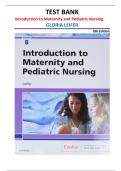
IntroductionFtoFMaternityFandFPediatricFNursingF8t
hFEdition
Author:FGloriaFLeifer
315
, IntroductionFtoFMaternityFandFPediatricFNursingF
8thFEdition
Author:FGloriaFLeifer
Introduction to Maternity and PediatricNursing
8th Edition
Author: Gloria LeiferF F
Table of Contents
F F
UNIT I: An Overview of Maternity and Pediatric Nursing
F F F F F F F F
1. The Past, Present, and Future
F F F F
UNIT II: Maternal-Newborn Nursing and Women’s Health
F F F F F F
2. Human Reproductive Anatomy and Physiology
F F F F
3. Fetal Development
F
4. Prenatal Care and Adaptations to Pregnancy
F F F F F
5. Nursing Care of Women with Complications during Pregnancy
F F F F F F F
6. Nursing Care of Mother and Infant during Labor and Birth
F F F F F F F F F
7. Nursing Management of Pain during Labor and Birth
F F F F F F F
8. Nursing Care of Women with Complications during Labor and Birth
F F F F F F F F F
9. The Family after Birth
F F F
10. Nursing Care of Women with Complications Following Birth
F F F F F F F
11. The Nurse’s Role in Women’s Health Care
F F F F F F
12. The Term Newborn
F F
13. Preterm and Post-Term Newborns
F F F
14. The Newborn with a Perinatal Injury or Congenital Malformation
F F F F F F F F
UNIT III: The Growing Child and Family
F F F F F F
15. An Overview of Growth, Development, and Nutrition
F F F F F F
16. The Infant
F
17. The Toddler
F
18. The Preschool Child
F F
19. The School-Age Child
F F
20. The Adolescent
F
UNIT IV: Adapting Care to the Pediatric Patient
F F F F F F F
21. The Child’s Experience of Hospitalization
F F F F
22. Health Care Adaptations for the Child and Family
F F F F F F F
UNIT V: The Child Needing Nursing Care
F F F F F F
23. The Child with a Sensory or Neurological Condition
F F F F F F F
24. The Child with a Musculoskeletal Condition
F F F F F
25. The Child with a Respiratory Disorder
F F F F F
26. The Child with a Cardiovascular Disorder
F F F F F
, IntroductionFtoFMaternityFandFPediatricFNursingF
8thFEdition
Author:FGloriaFLeifer
27. The Child with a Condition of the Blood, Blood-Forming Organs or Lymphatic System
F F F F F F F F F F F F
28. The Child with a Gastrointestinal Condition
F F F F F
29. The Child with a Genitourinary Condition
F F F F F
30. The Child with a Skin Condition
F F F F F
31. The Child with a Metabolic Condition
F F F F F
32. Childhood Communicable Diseases, Bioterrorism, Natural Disasters and the Maternal-
F F F F F F F F
Child Patient
F F
33. The Child with an Emotional or Behavioral Condition
F F F F F F F
UNIT VI: The Changing Health Care Environment
F F F F F F
34. Complementary and Alternative Therapies in Maternity and Pediatric Nursing
F F F F F F F F
, IntroductionFtoFMaternityFandFPediatricFNursingF
8thFEdition
Author:FGloriaFLeifer
Chapter 01: The Past, Present, and Future
F F F F F F
MULTIPLEFCHOICE
1. AFpatientFchoosesFtoFhaveFtheFcertifiedFnurseFmidwifeF(CNM)FprovideFcareFduringFherFpregnancy.FWhatFdoes
FtheFCNMsFscopeFofFpracticeFinclude?
a. PracticeF independentF fromFmedicalF supervision
b. ComprehensiveF prenatalF care
c. AttendanceFatFallFdeliveries
d. CesareanF sections
ANS:F B
TheFCNMFprovidesFcomprehensiveFprenatalFandFpostnatalFcare,FattendsFuncomplicatedFdeliveries,FandFensuresF
thatF aF backupF physicianF isF availableF inF caseF ofF unforeseenF problems.
DIF:FCognitiveF Level:F ComprehensionFREF:F PageF6FOBJ:F 12
TOP:FAdvanceFPracticeFNursingF RolesF KEY:FNursingFProcessF Step:F Implementation
MSC:FNCLEX:F HealthFPromotionF andF Maintenance:FPreventionF andFEarlyFDetectionF ofF Disease
2. WhichFmedicalFpioneerFdiscoveredFtheFrelationshipFbetweenFtheFincidenceFofFpuerperalFfeverFandFunwashed
Fhands?
a. KarlFCred
b. IgnazF Semmelweis
c. LouisF Pasteur
d. JosephF Lister
ANS:F B
IgnazFSemmelweisFdeducedFthatFpuerperalFfeverFwasFseptic,Fcontagious,FandFtransmittedFbyFtheFunwashedFhan
dsFofFphysiciansFandFmedicalFstudents.
DIF:FCognitiveFLevel:FKnowledgeFREF:FPageF2FOBJ:F1FTO
P:FTheFPastFKEY:FNursingFProcessFStep:FN/A
MSC:FNCLEX:FSafe,FEffectiveF CareF Environment:F SafetyFandFInfectionF Control
3. AFpregnantFwomanFwhoFhasFrecentlyFimmigratedFtoFtheFUnitedFStatesFcommentsFtoFtheFnurse,FIFamFafraidFo
fFchildbirth.F ItF isF soF dangerous.F IF amF afraidF IF willF die.F WhatF isF theF bestF nursingF responseF reflectingF cultur
alFsensitivity?
a. MaternalFmortalityFinFtheF UnitedFStatesFisFextremelyF low.
b. AnesthesiaFisFavailableFtoFrelieveFpainFduringFlaborFandFchildbirth.
c. TellFmeFwhyFyouFareFafraidF ofFchildbirth.
d. YourFconditionF willFbeFmonitoredFduringFlaborFandFdelivery.
ANS:F C
AskingFtheFpatientFaboutFherFconcernsFhelpsFpromoteFunderstandingF andFindividualizesF patientF care.
DIF:F CognitiveF Level:F ApplicationF REF:F PageF7-8FOBJ:F8
TOP:FCross-
CulturalFCareFKEY:FNursingFProcessFStep:FImplementationFMSC:FNCLE
X:F PsychosocialFIntegrity:F PsychologicalFAdaptation
4. AnFurbanFareaFhasFbeenFreportedFtoFhaveF aFhighF perinatalFmortalityFrate.FWhatFinformationF doesFthisFprovide?
a. MaternalFandFinfantFdeathsF perF100,000FliveF birthsFperF year
b. DeathsFofFfetusesFweighingFmoreFthanF500FgFperF10,000FbirthsFperF year
c. DeathsFofFinfantsFupFtoF1FyearFofFageFperF1000FliveFbirthsF perF year
d. FetalFandFneonatalFdeathsF perF1000FliveF birthsFperF year
ANS:F D
TheFperinatalFmortalityFrateFincludesFfetalFandFneonatalFdeathsFperF1000FliveFbirthsFperFyear.F
DIF:F CognitiveF Level:F ComprehensionF REF:F PageF 12,F BoxF 1-6
hFEdition
Author:FGloriaFLeifer
315
, IntroductionFtoFMaternityFandFPediatricFNursingF
8thFEdition
Author:FGloriaFLeifer
Introduction to Maternity and PediatricNursing
8th Edition
Author: Gloria LeiferF F
Table of Contents
F F
UNIT I: An Overview of Maternity and Pediatric Nursing
F F F F F F F F
1. The Past, Present, and Future
F F F F
UNIT II: Maternal-Newborn Nursing and Women’s Health
F F F F F F
2. Human Reproductive Anatomy and Physiology
F F F F
3. Fetal Development
F
4. Prenatal Care and Adaptations to Pregnancy
F F F F F
5. Nursing Care of Women with Complications during Pregnancy
F F F F F F F
6. Nursing Care of Mother and Infant during Labor and Birth
F F F F F F F F F
7. Nursing Management of Pain during Labor and Birth
F F F F F F F
8. Nursing Care of Women with Complications during Labor and Birth
F F F F F F F F F
9. The Family after Birth
F F F
10. Nursing Care of Women with Complications Following Birth
F F F F F F F
11. The Nurse’s Role in Women’s Health Care
F F F F F F
12. The Term Newborn
F F
13. Preterm and Post-Term Newborns
F F F
14. The Newborn with a Perinatal Injury or Congenital Malformation
F F F F F F F F
UNIT III: The Growing Child and Family
F F F F F F
15. An Overview of Growth, Development, and Nutrition
F F F F F F
16. The Infant
F
17. The Toddler
F
18. The Preschool Child
F F
19. The School-Age Child
F F
20. The Adolescent
F
UNIT IV: Adapting Care to the Pediatric Patient
F F F F F F F
21. The Child’s Experience of Hospitalization
F F F F
22. Health Care Adaptations for the Child and Family
F F F F F F F
UNIT V: The Child Needing Nursing Care
F F F F F F
23. The Child with a Sensory or Neurological Condition
F F F F F F F
24. The Child with a Musculoskeletal Condition
F F F F F
25. The Child with a Respiratory Disorder
F F F F F
26. The Child with a Cardiovascular Disorder
F F F F F
, IntroductionFtoFMaternityFandFPediatricFNursingF
8thFEdition
Author:FGloriaFLeifer
27. The Child with a Condition of the Blood, Blood-Forming Organs or Lymphatic System
F F F F F F F F F F F F
28. The Child with a Gastrointestinal Condition
F F F F F
29. The Child with a Genitourinary Condition
F F F F F
30. The Child with a Skin Condition
F F F F F
31. The Child with a Metabolic Condition
F F F F F
32. Childhood Communicable Diseases, Bioterrorism, Natural Disasters and the Maternal-
F F F F F F F F
Child Patient
F F
33. The Child with an Emotional or Behavioral Condition
F F F F F F F
UNIT VI: The Changing Health Care Environment
F F F F F F
34. Complementary and Alternative Therapies in Maternity and Pediatric Nursing
F F F F F F F F
, IntroductionFtoFMaternityFandFPediatricFNursingF
8thFEdition
Author:FGloriaFLeifer
Chapter 01: The Past, Present, and Future
F F F F F F
MULTIPLEFCHOICE
1. AFpatientFchoosesFtoFhaveFtheFcertifiedFnurseFmidwifeF(CNM)FprovideFcareFduringFherFpregnancy.FWhatFdoes
FtheFCNMsFscopeFofFpracticeFinclude?
a. PracticeF independentF fromFmedicalF supervision
b. ComprehensiveF prenatalF care
c. AttendanceFatFallFdeliveries
d. CesareanF sections
ANS:F B
TheFCNMFprovidesFcomprehensiveFprenatalFandFpostnatalFcare,FattendsFuncomplicatedFdeliveries,FandFensuresF
thatF aF backupF physicianF isF availableF inF caseF ofF unforeseenF problems.
DIF:FCognitiveF Level:F ComprehensionFREF:F PageF6FOBJ:F 12
TOP:FAdvanceFPracticeFNursingF RolesF KEY:FNursingFProcessF Step:F Implementation
MSC:FNCLEX:F HealthFPromotionF andF Maintenance:FPreventionF andFEarlyFDetectionF ofF Disease
2. WhichFmedicalFpioneerFdiscoveredFtheFrelationshipFbetweenFtheFincidenceFofFpuerperalFfeverFandFunwashed
Fhands?
a. KarlFCred
b. IgnazF Semmelweis
c. LouisF Pasteur
d. JosephF Lister
ANS:F B
IgnazFSemmelweisFdeducedFthatFpuerperalFfeverFwasFseptic,Fcontagious,FandFtransmittedFbyFtheFunwashedFhan
dsFofFphysiciansFandFmedicalFstudents.
DIF:FCognitiveFLevel:FKnowledgeFREF:FPageF2FOBJ:F1FTO
P:FTheFPastFKEY:FNursingFProcessFStep:FN/A
MSC:FNCLEX:FSafe,FEffectiveF CareF Environment:F SafetyFandFInfectionF Control
3. AFpregnantFwomanFwhoFhasFrecentlyFimmigratedFtoFtheFUnitedFStatesFcommentsFtoFtheFnurse,FIFamFafraidFo
fFchildbirth.F ItF isF soF dangerous.F IF amF afraidF IF willF die.F WhatF isF theF bestF nursingF responseF reflectingF cultur
alFsensitivity?
a. MaternalFmortalityFinFtheF UnitedFStatesFisFextremelyF low.
b. AnesthesiaFisFavailableFtoFrelieveFpainFduringFlaborFandFchildbirth.
c. TellFmeFwhyFyouFareFafraidF ofFchildbirth.
d. YourFconditionF willFbeFmonitoredFduringFlaborFandFdelivery.
ANS:F C
AskingFtheFpatientFaboutFherFconcernsFhelpsFpromoteFunderstandingF andFindividualizesF patientF care.
DIF:F CognitiveF Level:F ApplicationF REF:F PageF7-8FOBJ:F8
TOP:FCross-
CulturalFCareFKEY:FNursingFProcessFStep:FImplementationFMSC:FNCLE
X:F PsychosocialFIntegrity:F PsychologicalFAdaptation
4. AnFurbanFareaFhasFbeenFreportedFtoFhaveF aFhighF perinatalFmortalityFrate.FWhatFinformationF doesFthisFprovide?
a. MaternalFandFinfantFdeathsF perF100,000FliveF birthsFperF year
b. DeathsFofFfetusesFweighingFmoreFthanF500FgFperF10,000FbirthsFperF year
c. DeathsFofFinfantsFupFtoF1FyearFofFageFperF1000FliveFbirthsF perF year
d. FetalFandFneonatalFdeathsF perF1000FliveF birthsFperF year
ANS:F D
TheFperinatalFmortalityFrateFincludesFfetalFandFneonatalFdeathsFperF1000FliveFbirthsFperFyear.F
DIF:F CognitiveF Level:F ComprehensionF REF:F PageF 12,F BoxF 1-6