SA 700 – Forming an Opinion and Reporting on Financial Statements.
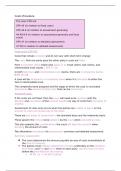
To form an opinion on the financial statements based on audit evidence.
To express that opinion clearly through a written report
Specifically check:
1. Overall presentation, structure, content.
2. Whether FS + Notes properly represent underlying transactions.
👉 If satisfied → Unmodified Opinion SA 700.
👉 If not satisfied → go to SA 705 (Modified Opinion).
Sometimes, an auditor may be required to comply with:
Indian Standards on Auditing (SAs by ICAI), and
International Standards on Auditing (ISAs by IAASB), or
Auditing standards of another country (say US GAAS, UK ISA).
In such cases, the auditor’s report may refer to both sets of standards, but only if certain conditions are satisfied.
Conditions for Dual Reference:
1. No Conflict between requirements in the SA & ISA/Other standards:
Must not lead to →
(i) Different opinion
(ii) Omission of EOM / OM para required by SA.
2. Minimum Elements of SA 700 report must always be included (Title, Opinion, Basis, Going Concern, KAM, etc.).
3. Reference to Law/Regulation → to be read as reference to SAs.
4. If A/R refers both SAs & ISAs, report must clearly: Identify the same + jurisdiction of origin of other AS.
Supplementary Information = Info presented alongside w audited F/S but is not required by AFRF.
Scenario 1: Considered an Integral Part ✅ Scenario 2: NOT an Integral Part ❌
The auditor, using professional judgment, decides The auditor must check if this information is sufficiently
the supplementary info is an integral part of the and clearly differentiated from the audited financial
F/S due to its nature or how it's presented . statements.
In this case, the auditor's opinion on the F/S will o If it is not differentiated, the auditor asks
also cover this supplementary information (SI). management to change the presentation.
Example: A reconciliation note that cannot be o If management refuses to change, the auditor must
separated from the main financial statements. identify this unaudited info and explain in the audit
report that it has not been audited.
SA 701 - Communicating Key Audit Matters (KAM) in the independent AR
Whenever questions mentions, debate on KOM inclusion* How an auditor decides what to include in the KAM section.
The auditor selects KAMs from the matters they've already communicated with TCWG, but specifically focusing on
those that required significant auditor’s attention. In making this determination, the Adtr shall consider the following:
1) Higher Assessed ROMM: The auditor must consider areas of higher assessed risk of MM or significant risks
identified in accordance w SA 315.
2) Significant Judgments: The auditor must also consider areas that required significant auditor judgments. This
includes areas where management also had to make significant judgments, like complex accounting estimates that
have a high estimation uncertainty.
3) Significant Events/Transactions: The auditor must consider the EFFECT on the audit of significant events or
transactions that happened during the period.
In addition, there may be other matters communicated with TCWG that required significant auditor attention and that
therefore may be determined to be KAMs. For eg: matters relevant to the audit that was performed that may not be
required to be disclosed in the financial statements. For example, the implementation of a new IT system during the
, period may be an area of significant auditor attention, in particular if such a change had a significant effect on the
auditor’s overall audit strategy or related to a significant risk (e.g., changes to a system affecting revenue recognition).
Absence of disclosures in the F/S does not relieve the Adtr of the requirement to communicate a matter as a KAM.
Adtr can determine a matter is a KAM even if there are no specific disclosure requirements in the AFRF.
The determining factor is whether the matter, such as an IT system implementation, had a significant effect on the
auditor's overall audit strategy or was related to a significant risk.
If the auditor believes that information is necessary for a proper description of a KAM, but management disagrees
to disclose it, the auditor should reconsider the adequacy of the disclosures w AFRF.
★ Circumstances in Which a Matter Determined to Be a KAM Is not Communicated in the Auditor’s Report
1) When the law or regulation prevents the public disclosure of a specific matter.
2) In extremely rare circumstances, when the adverse consequences of doing so would reasonably be expected to
outweigh the public interest benefits. This shall not apply if the entity has publicly disclosed information about
the matter. (Los Angeles)
★ Matters wrt revenue recognition or complexities that require judgments = KAM (in this question write inclusions)
★ Purpose of communicating KOM
Enhancing Value = main purpose is to increase the A/R's value and provide more transparency about the audit.
Helping Users= give additional info to understand the matters that were of most significance in the audit of CY
F/S, based on the auditor's professional judgment.
Assist intended users in understanding the entity and areas of significant mgmt judgment in the audited f/s.
★ KAM is NOT a substitute for:
Disclosures in F/S
Modified Opinion SA 705
Going Concern SA 570.
Separate opinion on diff matters
★ Applicability
Listed Entities
Auditor's Discretion
Legal/Regulatory Requirement
Prohibits = issues a disclaimer of opinion on the f/s = still exception = required by law or regulation.
SA 705 "Modifications to the Opinion in the Independent Auditor's Report"
Reading questions in depth is imp for this SA
★ When adtr gives DOO, amend Auditor’s responsibilities para required by SA 700:
1. A statement that the auditor's responsibility is to conduct an audit according to Standards on Auditing and to
issue a report.
2. A statement explaining that due to the matter(s) in the Basis for Disclaimer of Opinion section, the auditor was
unable to obtain SAAE to form an opinion.
3. The standard statement about auditor independence and other ethical responsibilities from SA 700.
★ Disclosure >>> No Disclosure + pervasive= Adverse
>>> Less Disclosure (disclosed half or something) = Qualified
Pervasive when?? = effect/possible effect on F/s
1) Not confined to specific element. Affect more than 1 item
2) If 1 item only/ if confined, represent Substantial position of FS
3) For disclosures that are fundamental to user’s understanding of FS.
If correction of MM wipes out of profits = pervasive
If something is not pervasive then we give Qualified opinion only.
★ Placement? After basis for opinion & before the Management's Responsibility paragraph.
If a Material Uncertainty Related to Going Concern section is required (as per SA 570), the KAM section is placed after
that section. An EOM paragraph can be placed either directly before or after the KAM section. The auditor's judgment
about the relative importance of the information in the EOM paragraph determines its placement. The auditor may also
To form an opinion on the financial statements based on audit evidence.
To express that opinion clearly through a written report
Specifically check:
1. Overall presentation, structure, content.
2. Whether FS + Notes properly represent underlying transactions.
👉 If satisfied → Unmodified Opinion SA 700.
👉 If not satisfied → go to SA 705 (Modified Opinion).
Sometimes, an auditor may be required to comply with:
Indian Standards on Auditing (SAs by ICAI), and
International Standards on Auditing (ISAs by IAASB), or
Auditing standards of another country (say US GAAS, UK ISA).
In such cases, the auditor’s report may refer to both sets of standards, but only if certain conditions are satisfied.
Conditions for Dual Reference:
1. No Conflict between requirements in the SA & ISA/Other standards:
Must not lead to →
(i) Different opinion
(ii) Omission of EOM / OM para required by SA.
2. Minimum Elements of SA 700 report must always be included (Title, Opinion, Basis, Going Concern, KAM, etc.).
3. Reference to Law/Regulation → to be read as reference to SAs.
4. If A/R refers both SAs & ISAs, report must clearly: Identify the same + jurisdiction of origin of other AS.
Supplementary Information = Info presented alongside w audited F/S but is not required by AFRF.
Scenario 1: Considered an Integral Part ✅ Scenario 2: NOT an Integral Part ❌
The auditor, using professional judgment, decides The auditor must check if this information is sufficiently
the supplementary info is an integral part of the and clearly differentiated from the audited financial
F/S due to its nature or how it's presented . statements.
In this case, the auditor's opinion on the F/S will o If it is not differentiated, the auditor asks
also cover this supplementary information (SI). management to change the presentation.
Example: A reconciliation note that cannot be o If management refuses to change, the auditor must
separated from the main financial statements. identify this unaudited info and explain in the audit
report that it has not been audited.
SA 701 - Communicating Key Audit Matters (KAM) in the independent AR
Whenever questions mentions, debate on KOM inclusion* How an auditor decides what to include in the KAM section.
The auditor selects KAMs from the matters they've already communicated with TCWG, but specifically focusing on
those that required significant auditor’s attention. In making this determination, the Adtr shall consider the following:
1) Higher Assessed ROMM: The auditor must consider areas of higher assessed risk of MM or significant risks
identified in accordance w SA 315.
2) Significant Judgments: The auditor must also consider areas that required significant auditor judgments. This
includes areas where management also had to make significant judgments, like complex accounting estimates that
have a high estimation uncertainty.
3) Significant Events/Transactions: The auditor must consider the EFFECT on the audit of significant events or
transactions that happened during the period.
In addition, there may be other matters communicated with TCWG that required significant auditor attention and that
therefore may be determined to be KAMs. For eg: matters relevant to the audit that was performed that may not be
required to be disclosed in the financial statements. For example, the implementation of a new IT system during the
, period may be an area of significant auditor attention, in particular if such a change had a significant effect on the
auditor’s overall audit strategy or related to a significant risk (e.g., changes to a system affecting revenue recognition).
Absence of disclosures in the F/S does not relieve the Adtr of the requirement to communicate a matter as a KAM.
Adtr can determine a matter is a KAM even if there are no specific disclosure requirements in the AFRF.
The determining factor is whether the matter, such as an IT system implementation, had a significant effect on the
auditor's overall audit strategy or was related to a significant risk.
If the auditor believes that information is necessary for a proper description of a KAM, but management disagrees
to disclose it, the auditor should reconsider the adequacy of the disclosures w AFRF.
★ Circumstances in Which a Matter Determined to Be a KAM Is not Communicated in the Auditor’s Report
1) When the law or regulation prevents the public disclosure of a specific matter.
2) In extremely rare circumstances, when the adverse consequences of doing so would reasonably be expected to
outweigh the public interest benefits. This shall not apply if the entity has publicly disclosed information about
the matter. (Los Angeles)
★ Matters wrt revenue recognition or complexities that require judgments = KAM (in this question write inclusions)
★ Purpose of communicating KOM
Enhancing Value = main purpose is to increase the A/R's value and provide more transparency about the audit.
Helping Users= give additional info to understand the matters that were of most significance in the audit of CY
F/S, based on the auditor's professional judgment.
Assist intended users in understanding the entity and areas of significant mgmt judgment in the audited f/s.
★ KAM is NOT a substitute for:
Disclosures in F/S
Modified Opinion SA 705
Going Concern SA 570.
Separate opinion on diff matters
★ Applicability
Listed Entities
Auditor's Discretion
Legal/Regulatory Requirement
Prohibits = issues a disclaimer of opinion on the f/s = still exception = required by law or regulation.
SA 705 "Modifications to the Opinion in the Independent Auditor's Report"
Reading questions in depth is imp for this SA
★ When adtr gives DOO, amend Auditor’s responsibilities para required by SA 700:
1. A statement that the auditor's responsibility is to conduct an audit according to Standards on Auditing and to
issue a report.
2. A statement explaining that due to the matter(s) in the Basis for Disclaimer of Opinion section, the auditor was
unable to obtain SAAE to form an opinion.
3. The standard statement about auditor independence and other ethical responsibilities from SA 700.
★ Disclosure >>> No Disclosure + pervasive= Adverse
>>> Less Disclosure (disclosed half or something) = Qualified
Pervasive when?? = effect/possible effect on F/s
1) Not confined to specific element. Affect more than 1 item
2) If 1 item only/ if confined, represent Substantial position of FS
3) For disclosures that are fundamental to user’s understanding of FS.
If correction of MM wipes out of profits = pervasive
If something is not pervasive then we give Qualified opinion only.
★ Placement? After basis for opinion & before the Management's Responsibility paragraph.
If a Material Uncertainty Related to Going Concern section is required (as per SA 570), the KAM section is placed after
that section. An EOM paragraph can be placed either directly before or after the KAM section. The auditor's judgment
about the relative importance of the information in the EOM paragraph determines its placement. The auditor may also