Biology Notes – High school Junior (Class 11)
By Meshi Nanayakkara
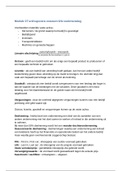
Introduction to bacteria and bacterial genetics
What is a bacterium?
• A bacterium is a microscopic, single-celled organism.
• They are prokaryotes → meaning they don’t have a true nucleus or membrane-bound organelles.
• Found everywhere: soil, water, air, inside plants, animals, and humans.
Structure and organization of bacteria
➢ Cell wall - gives shape and protection (made of peptidoglycan).
➢ Plasma membrane → controls movement of substances in/out.
➢ Cytoplasm → contains enzymes, nutrients, and ribosomes.
➢ Nucleoid → irregular region where DNA (circular chromosome) is found.
➢ Plasmids → small circular DNA pieces, often carrying useful genes (like antibiotic
resistance).
➢ Ribosomes → for protein synthesis.
➢ Flagella → movement.
➢ Pili/fimbriae → attachment and gene transfer.
➢ Some have capsule → protection against host immune system.
Advantages Disadvantages
Decomposition → recycle nutrients in Cause diseases → TB, pneumonia, cholera, etc.
ecosystems.
Food production → yogurt, cheese, vinegar. Food spoilage and contamination.
Microbiota in humans → aid digestion, protects Can develop antibiotic resistance.
from pathogens.
Nitrogen fixation → help plants grow.
Biotechnology → genetic engineering, insulin
production.
Methods of bacterial gene transfer
1. Transformation → uptake of naked DNA from environment.
2. Transduction → bacteriophages (viruses) transfer DNA between bacteria.
3. Conjugation → direct transfer of DNA (usually plasmids) via a pilus.
By Meshi Nanayakkara
Introduction to bacteria and bacterial genetics
What is a bacterium?
• A bacterium is a microscopic, single-celled organism.
• They are prokaryotes → meaning they don’t have a true nucleus or membrane-bound organelles.
• Found everywhere: soil, water, air, inside plants, animals, and humans.
Structure and organization of bacteria
➢ Cell wall - gives shape and protection (made of peptidoglycan).
➢ Plasma membrane → controls movement of substances in/out.
➢ Cytoplasm → contains enzymes, nutrients, and ribosomes.
➢ Nucleoid → irregular region where DNA (circular chromosome) is found.
➢ Plasmids → small circular DNA pieces, often carrying useful genes (like antibiotic
resistance).
➢ Ribosomes → for protein synthesis.
➢ Flagella → movement.
➢ Pili/fimbriae → attachment and gene transfer.
➢ Some have capsule → protection against host immune system.
Advantages Disadvantages
Decomposition → recycle nutrients in Cause diseases → TB, pneumonia, cholera, etc.
ecosystems.
Food production → yogurt, cheese, vinegar. Food spoilage and contamination.
Microbiota in humans → aid digestion, protects Can develop antibiotic resistance.
from pathogens.
Nitrogen fixation → help plants grow.
Biotechnology → genetic engineering, insulin
production.
Methods of bacterial gene transfer
1. Transformation → uptake of naked DNA from environment.
2. Transduction → bacteriophages (viruses) transfer DNA between bacteria.
3. Conjugation → direct transfer of DNA (usually plasmids) via a pilus.