Table of Contents
CHAPTER 1 SUSTAINABILITY TRANSITION FOR BUSINESS ..................................................................... 2
CHAPTER 2 SINGLE OBJECTIVE OPTIMIZATION ..................................................................................... 9
CHAPTER 4 QUANTIFYING THE ECONOMIC IMPACT ........................................................................... 16
CHAPTER 5 QUANTIFICATION OF THE ENVIRONMENTAL IMPACT ...................................................... 18
CHAPTER 6 QUANTIFYING THE SOCIAL IMPACT .................................................................................. 22
CHAPTER 3 MULTIPLE OBJECTIVE OPTIMIZATION ............................................................................... 27
CHAPTER 7 SYSTEMS THINKING AND INTRODUCTION TO SYSTEM DYNAMICS MODELING ............... 34
CHAPTER 8 CAUSAL LOOP DIAGRAMS ................................................................................................. 35
CHAPTER 3 SYSTEM THINKING (BY FIKSEL) .......................................................................................... 36
CHAPTER 9 STRUCTURE AND FUNDAMENTAL MODES OF BEHAVIOUR IN DYNAMIC SYSTEMS ......... 40
CHAPTER 10 STOCKS AND LOWS AND THE DYNAMICS OF SIMPLE STRUCTURES ............................... 44
CHAPTER 11 DELAYS ............................................................................................................................ 46
CHAPTER 12 NONLINEAR BEHAVIOUR ................................................................................................ 49
Course book
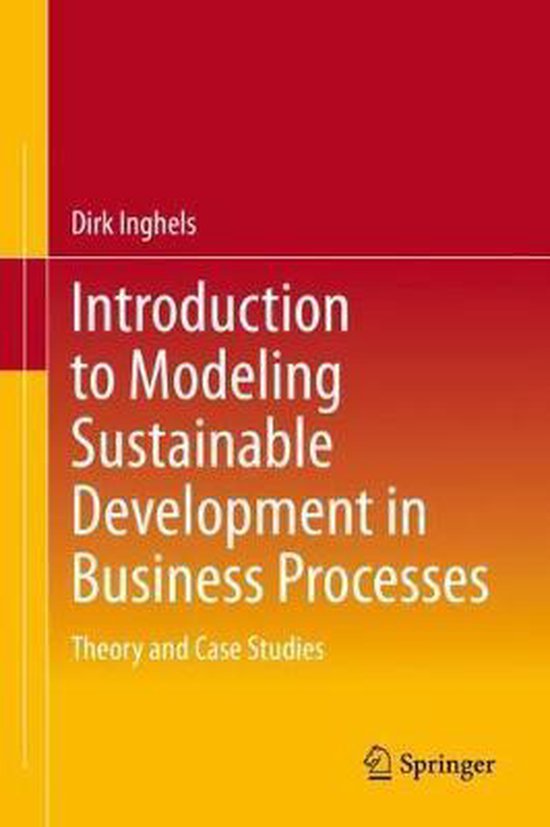
Inghels, D. (2020). Introduction to Modeling Sustainable Development in Business
Processes- Theory and Case Studies. Online:
https://www.springer.com/gp/book/9783030584214#aboutBook
,Chapter 1 Sustainability transition for business
Two major reinforcing processes have fuelled the current global overshoot in natural
resource use and the associated generation of excessive waste and pollution: ever-
increasing consumption per capita and constant population growth
Population growth led to a decline in nutrition and income per person à Malthusian Trap
Technological breakthroughs led to a temporary rise in income per person, followed by a
permanent increase in population and a decline in income per person. So higher
productivity resulted in larger, but not wealthier populations.
Income equality has been
a growing social theme in
developed countries.
People in a lower income
class benefit less form
economic growth and
sometimes they balance
on the frontier of poverty.
Economic growth has
been connected to the
depletion of our natural
capital and the earth’s
declining regenerative
capacity.
Manufactured goods and services are consumed to meet the satisfaction level of people’s
needs and desires à utility
To produce these goods and services, sacrifices must be made’ these include the use of
labour, resource depletion, pollution exposure, etc à disutility
The balance between utility and disutility when producing and consuming an increased
number of manufactured goods and services determines whether growth can still be called
economic growth. If the marginal utility outweighs the marginal disutility, we speak of
economic growth up to the economic limit.
Futility limit is
when the marginal
utility of
production falls to
zero.
Ecological
catastrophe limit
point in growth
where a chain
reaction or tipping
point induced,
leading to the
collapse of our
ecosystem.
2
,The theory of demographic transition involves four phases whereby societies involve from a
high and death rate towards a low birth and death rate.
- Phase 1: Societies evolve following the Malthusian paradigm, population size is
inversely proportional to the food supply. Total cost of raising children is par with the
financial contribution to the household.
- Phase 2: There are still high birth rates but lower death rates. The number of people
in society rises
- Phase 3: Population growth begins to level off due to a decline in the birth rate. This
decline is triggered by a number of factors linked to the development of society
(higher wages, higher levels of education, changed position of woman, etc.)
- Phase 4: Both birth and death rates are low, and birth rates may even drop below
replacement level.
Economic growth combined with a growing population, are two reinforcing processes that
drive the depletion of natural resources in order to satisfy global human consumption.
Paradox of sustainable development: the distribution of societal wealth can no longer
solely be linked to material growth since creating more wealth by increasing production
could potentially destroy our ecosystem and harm future generations. On the other hand,
current generations in developing countries will be harmed if we do not increase our
consumption.
3
, Weak sustainability (a): Biophysical limits need to be explored and enlarged through
technological development
Strong sustainability (b): Embedding the economy in society and embedding society in the
ecosystem. Rooted in the idea of “limits to growth” and claims that the planet’s ecosystem
should be restored by reducing the ecological footprint.
The Triple Bottom Line (TBL) framework requires all three sustainability dimensions to be
quantified.
Criticism - separating the sustainability concept into three pillars tends to emphasize
potentially competing interests between pillars, rather than focusing on their
interdependencies.
4
CHAPTER 1 SUSTAINABILITY TRANSITION FOR BUSINESS ..................................................................... 2
CHAPTER 2 SINGLE OBJECTIVE OPTIMIZATION ..................................................................................... 9
CHAPTER 4 QUANTIFYING THE ECONOMIC IMPACT ........................................................................... 16
CHAPTER 5 QUANTIFICATION OF THE ENVIRONMENTAL IMPACT ...................................................... 18
CHAPTER 6 QUANTIFYING THE SOCIAL IMPACT .................................................................................. 22
CHAPTER 3 MULTIPLE OBJECTIVE OPTIMIZATION ............................................................................... 27
CHAPTER 7 SYSTEMS THINKING AND INTRODUCTION TO SYSTEM DYNAMICS MODELING ............... 34
CHAPTER 8 CAUSAL LOOP DIAGRAMS ................................................................................................. 35
CHAPTER 3 SYSTEM THINKING (BY FIKSEL) .......................................................................................... 36
CHAPTER 9 STRUCTURE AND FUNDAMENTAL MODES OF BEHAVIOUR IN DYNAMIC SYSTEMS ......... 40
CHAPTER 10 STOCKS AND LOWS AND THE DYNAMICS OF SIMPLE STRUCTURES ............................... 44
CHAPTER 11 DELAYS ............................................................................................................................ 46
CHAPTER 12 NONLINEAR BEHAVIOUR ................................................................................................ 49
Course book
Inghels, D. (2020). Introduction to Modeling Sustainable Development in Business
Processes- Theory and Case Studies. Online:
https://www.springer.com/gp/book/9783030584214#aboutBook
,Chapter 1 Sustainability transition for business
Two major reinforcing processes have fuelled the current global overshoot in natural
resource use and the associated generation of excessive waste and pollution: ever-
increasing consumption per capita and constant population growth
Population growth led to a decline in nutrition and income per person à Malthusian Trap
Technological breakthroughs led to a temporary rise in income per person, followed by a
permanent increase in population and a decline in income per person. So higher
productivity resulted in larger, but not wealthier populations.
Income equality has been
a growing social theme in
developed countries.
People in a lower income
class benefit less form
economic growth and
sometimes they balance
on the frontier of poverty.
Economic growth has
been connected to the
depletion of our natural
capital and the earth’s
declining regenerative
capacity.
Manufactured goods and services are consumed to meet the satisfaction level of people’s
needs and desires à utility
To produce these goods and services, sacrifices must be made’ these include the use of
labour, resource depletion, pollution exposure, etc à disutility
The balance between utility and disutility when producing and consuming an increased
number of manufactured goods and services determines whether growth can still be called
economic growth. If the marginal utility outweighs the marginal disutility, we speak of
economic growth up to the economic limit.
Futility limit is
when the marginal
utility of
production falls to
zero.
Ecological
catastrophe limit
point in growth
where a chain
reaction or tipping
point induced,
leading to the
collapse of our
ecosystem.
2
,The theory of demographic transition involves four phases whereby societies involve from a
high and death rate towards a low birth and death rate.
- Phase 1: Societies evolve following the Malthusian paradigm, population size is
inversely proportional to the food supply. Total cost of raising children is par with the
financial contribution to the household.
- Phase 2: There are still high birth rates but lower death rates. The number of people
in society rises
- Phase 3: Population growth begins to level off due to a decline in the birth rate. This
decline is triggered by a number of factors linked to the development of society
(higher wages, higher levels of education, changed position of woman, etc.)
- Phase 4: Both birth and death rates are low, and birth rates may even drop below
replacement level.
Economic growth combined with a growing population, are two reinforcing processes that
drive the depletion of natural resources in order to satisfy global human consumption.
Paradox of sustainable development: the distribution of societal wealth can no longer
solely be linked to material growth since creating more wealth by increasing production
could potentially destroy our ecosystem and harm future generations. On the other hand,
current generations in developing countries will be harmed if we do not increase our
consumption.
3
, Weak sustainability (a): Biophysical limits need to be explored and enlarged through
technological development
Strong sustainability (b): Embedding the economy in society and embedding society in the
ecosystem. Rooted in the idea of “limits to growth” and claims that the planet’s ecosystem
should be restored by reducing the ecological footprint.
The Triple Bottom Line (TBL) framework requires all three sustainability dimensions to be
quantified.
Criticism - separating the sustainability concept into three pillars tends to emphasize
potentially competing interests between pillars, rather than focusing on their
interdependencies.
4