

EPI FINAL STUDY GUIDE Page |1
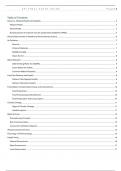
Table of Contents
Social vs. Medical Models of Disability ............................................................................................................................... 3
Medical Model .............................................................................................................................................................. 3
Social Model ................................................................................................................................................................ 3
Nursing actions to improve care for people with disabilities (PWD): ................................................................................. 5
Social Determinants of Health and Environmental Justice ................................................................................................... 6
Air Pollution ...................................................................................................................................................................... 7
Sources ................................................................................................................................................................... 7
Criteria Pollutants ..................................................................................................................................................... 7
NAAQS and AQI ........................................................................................................................................................ 7
Clean Air Act ............................................................................................................................................................ 8
Water Pollution ................................................................................................................................................................. 8
Safe Drinking Water Act (SDWA) ................................................................................................................................ 8
Clean Water Act (CWA) ............................................................................................................................................. 8
Common Water Pollutants ........................................................................................................................................ 8
Land Use Patterns and Health............................................................................................................................................ 9
Patterns That Support Health: ................................................................................................................................... 9
Patterns That Harm Health: ....................................................................................................................................... 9
Food Safety: Contamination Areas and Interventions ......................................................................................................... 10
Food Production ...................................................................................................................................................... 10
Food Processing and Distribution ............................................................................................................................. 10
Food Preparation and Consumption ......................................................................................................................... 10
Climate Change ............................................................................................................................................................... 11
Signs of Climate Change: ......................................................................................................................................... 11
Health Impacts: ....................................................................................................................................................... 11
Right to Know ................................................................................................................................................................... 12
Precautionary Principle ................................................................................................................................................ 13
Risk Communication.................................................................................................................................................... 13
Consumer Confidence Reports .................................................................................................................................... 13
iPrepare assessment tool ................................................................................................................................................. 14
Toxicology vs Pharmacology ............................................................................................................................................. 15
Health Policy ................................................................................................................................................................... 16
Federal Government .................................................................................................................................................... 16
State Government ........................................................................................................................................................ 17
Local Government ....................................................................................................................................................... 17
, EPI FINAL STUDY GUIDE Page |2
Roles in Health Policy................................................................................................................................................... 17
Federal Level: .......................................................................................................................................................... 17
State Level: ............................................................................................................................................................. 17
Local Level: ............................................................................................................................................................. 18
Kingdon's Framework ................................................................................................................................................... 18
Longest's Policy-Making Framework .............................................................................................................................. 18
Government Health Policy Functions ............................................................................................................................ 19
Functions of Governmental Agencies ............................................................................................................................ 19
Federal Health Agencies............................................................................................................................................... 20
Non-Health Federal Agencies Influencing Health ........................................................................................................... 20
Key Contrasts .......................................................................................................................................................... 21
Nurse participation in Health Policy .............................................................................................................................. 22
Infectious Diseases .......................................................................................................................................................... 24
Epidemiologic triangle.................................................................................................................................................. 24
Modes of Transmission................................................................................................................................................. 25
Disease development .................................................................................................................................................. 26
Disease Spectrum ....................................................................................................................................................... 27
Types of Immunity ........................................................................................................................................................ 27
Surveillance of Communicable Diseases ...................................................................................................................... 28
Type of Surveillance ................................................................................................................................................. 29
Public health surveillance ............................................................................................................................................ 30
Emerging or reemerging infectious diseases .................................................................................................................. 31
Strategies to prevent the spread of disease.................................................................................................................... 32
Communicable Diseases ................................................................................................................................................. 33
Sexually transmitted infections (STIs) ............................................................................................................................ 33
Hepatitis A, B and C ..................................................................................................................................................... 34
Tuberculosis ................................................................................................................................................................ 35
Building a Culture of Health .............................................................................................................................................. 36
Health Belief Model (HBM) ........................................................................................................................................... 37
Transtheoretical Model (TTM) or Stages of Change (SOC) ................................................................................................ 37
Social cognitive theory ................................................................................................................................................. 38
Community-Based Participatory Research (CBPR) ......................................................................................................... 38
Motivational Interviewing .................................................................................................................................................. 40
, EPI FINAL STUDY GUIDE Page |3
Social vs. Medical Models of Disability
Medical Model
• Focuses on the individual's condition or impairment
• Views disability as a problem within the person
• Aims to cure, treat, or rehabilitate the individual
• Emphasizes medical interventions and therapies
• Places responsibility on healthcare professionals
Social Model
• Focuses on societal barriers and environmental factors
• Views disability as a result of societal structures and attitudes
• Aims to remove barriers and promote inclusion
• Emphasizes accessibility, equal rights, and social change
• Places responsibility on society to accommodate diverse needs
Key Differences
1. Perspective: Individual (Medical) vs. Societal (Social)
2. Approach: Treatment (Medical) vs. Accommodation (Social)
3. Goal: Cure/Rehabilitation (Medical) vs. Inclusion/Equality (Social)
4. Responsibility: Healthcare Providers (Medical) vs. Society (Social)
5. Scope: Narrow, condition-specific (Medical) vs. Broad, rights-based (Social)
The social model, as reflected in the Americans with Disabilities Act (ADA), promotes equal opportunities
and prohibits discrimination, shifting focus from individual limitations to societal adaptations.
, EPI FINAL STUDY GUIDE Page |4
Aspect Medical Model Social Model
Focus Individual's condition or impairment Societal barriers and environmental factors
View of Disability Problem within the person Result of societal structures and attitudes
Aim Cure, treat, or rehabilitate Remove barriers and promote inclusion
Emphasis Medical interventions and therapies Accessibility, equal rights, social change
Responsibility Healthcare professionals Society at large
Approach Treatment-oriented Accommodation-oriented
Goal Cure or rehabilitation Inclusion and equality
Scope Narrow, condition-specific Broad, rights-based
Intervention Focus Individual adaptation Environmental modification
Policy Implications Medical research funding Anti-discrimination legislation
Table of Contents
Social vs. Medical Models of Disability ............................................................................................................................... 3
Medical Model .............................................................................................................................................................. 3
Social Model ................................................................................................................................................................ 3
Nursing actions to improve care for people with disabilities (PWD): ................................................................................. 5
Social Determinants of Health and Environmental Justice ................................................................................................... 6
Air Pollution ...................................................................................................................................................................... 7
Sources ................................................................................................................................................................... 7
Criteria Pollutants ..................................................................................................................................................... 7
NAAQS and AQI ........................................................................................................................................................ 7
Clean Air Act ............................................................................................................................................................ 8
Water Pollution ................................................................................................................................................................. 8
Safe Drinking Water Act (SDWA) ................................................................................................................................ 8
Clean Water Act (CWA) ............................................................................................................................................. 8
Common Water Pollutants ........................................................................................................................................ 8
Land Use Patterns and Health............................................................................................................................................ 9
Patterns That Support Health: ................................................................................................................................... 9
Patterns That Harm Health: ....................................................................................................................................... 9
Food Safety: Contamination Areas and Interventions ......................................................................................................... 10
Food Production ...................................................................................................................................................... 10
Food Processing and Distribution ............................................................................................................................. 10
Food Preparation and Consumption ......................................................................................................................... 10
Climate Change ............................................................................................................................................................... 11
Signs of Climate Change: ......................................................................................................................................... 11
Health Impacts: ....................................................................................................................................................... 11
Right to Know ................................................................................................................................................................... 12
Precautionary Principle ................................................................................................................................................ 13
Risk Communication.................................................................................................................................................... 13
Consumer Confidence Reports .................................................................................................................................... 13
iPrepare assessment tool ................................................................................................................................................. 14
Toxicology vs Pharmacology ............................................................................................................................................. 15
Health Policy ................................................................................................................................................................... 16
Federal Government .................................................................................................................................................... 16
State Government ........................................................................................................................................................ 17
Local Government ....................................................................................................................................................... 17
, EPI FINAL STUDY GUIDE Page |2
Roles in Health Policy................................................................................................................................................... 17
Federal Level: .......................................................................................................................................................... 17
State Level: ............................................................................................................................................................. 17
Local Level: ............................................................................................................................................................. 18
Kingdon's Framework ................................................................................................................................................... 18
Longest's Policy-Making Framework .............................................................................................................................. 18
Government Health Policy Functions ............................................................................................................................ 19
Functions of Governmental Agencies ............................................................................................................................ 19
Federal Health Agencies............................................................................................................................................... 20
Non-Health Federal Agencies Influencing Health ........................................................................................................... 20
Key Contrasts .......................................................................................................................................................... 21
Nurse participation in Health Policy .............................................................................................................................. 22
Infectious Diseases .......................................................................................................................................................... 24
Epidemiologic triangle.................................................................................................................................................. 24
Modes of Transmission................................................................................................................................................. 25
Disease development .................................................................................................................................................. 26
Disease Spectrum ....................................................................................................................................................... 27
Types of Immunity ........................................................................................................................................................ 27
Surveillance of Communicable Diseases ...................................................................................................................... 28
Type of Surveillance ................................................................................................................................................. 29
Public health surveillance ............................................................................................................................................ 30
Emerging or reemerging infectious diseases .................................................................................................................. 31
Strategies to prevent the spread of disease.................................................................................................................... 32
Communicable Diseases ................................................................................................................................................. 33
Sexually transmitted infections (STIs) ............................................................................................................................ 33
Hepatitis A, B and C ..................................................................................................................................................... 34
Tuberculosis ................................................................................................................................................................ 35
Building a Culture of Health .............................................................................................................................................. 36
Health Belief Model (HBM) ........................................................................................................................................... 37
Transtheoretical Model (TTM) or Stages of Change (SOC) ................................................................................................ 37
Social cognitive theory ................................................................................................................................................. 38
Community-Based Participatory Research (CBPR) ......................................................................................................... 38
Motivational Interviewing .................................................................................................................................................. 40
, EPI FINAL STUDY GUIDE Page |3
Social vs. Medical Models of Disability
Medical Model
• Focuses on the individual's condition or impairment
• Views disability as a problem within the person
• Aims to cure, treat, or rehabilitate the individual
• Emphasizes medical interventions and therapies
• Places responsibility on healthcare professionals
Social Model
• Focuses on societal barriers and environmental factors
• Views disability as a result of societal structures and attitudes
• Aims to remove barriers and promote inclusion
• Emphasizes accessibility, equal rights, and social change
• Places responsibility on society to accommodate diverse needs
Key Differences
1. Perspective: Individual (Medical) vs. Societal (Social)
2. Approach: Treatment (Medical) vs. Accommodation (Social)
3. Goal: Cure/Rehabilitation (Medical) vs. Inclusion/Equality (Social)
4. Responsibility: Healthcare Providers (Medical) vs. Society (Social)
5. Scope: Narrow, condition-specific (Medical) vs. Broad, rights-based (Social)
The social model, as reflected in the Americans with Disabilities Act (ADA), promotes equal opportunities
and prohibits discrimination, shifting focus from individual limitations to societal adaptations.
, EPI FINAL STUDY GUIDE Page |4
Aspect Medical Model Social Model
Focus Individual's condition or impairment Societal barriers and environmental factors
View of Disability Problem within the person Result of societal structures and attitudes
Aim Cure, treat, or rehabilitate Remove barriers and promote inclusion
Emphasis Medical interventions and therapies Accessibility, equal rights, social change
Responsibility Healthcare professionals Society at large
Approach Treatment-oriented Accommodation-oriented
Goal Cure or rehabilitation Inclusion and equality
Scope Narrow, condition-specific Broad, rights-based
Intervention Focus Individual adaptation Environmental modification
Policy Implications Medical research funding Anti-discrimination legislation


