NURS 6521 Week 2 Assignment - Pharmacotherapy for Cardiovascular Disorders
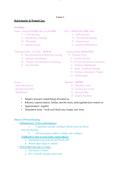
Case study of week two assignment BN is a 74-year-old African American male admitted to the hospital related to bradycardia. He denies chest pain, shortness of breath, nausea/vomiting, and he notes feeling dizzy. Six weeks earlier, his PCP started him on Diltiazem CD to lower his blood pressure to goal, and his Metoprolol was reduced at that time as well from 75 mg to 50 mg BID. His past medical history included HTN x 7 years, Type II DM, CAD s/p angioplasty two years ago, MI 3 years ago, EF = 60%, PVD s/p left femoral to posterior bypass, and Hx of A Fib x 4 years. Home medications include the following: • Digoxin 0.25 mg QD • KCl 40 mEq QD • Vitamin C 500 mg QD • Diltiazem CD 180 mg QD • ASA EC 325 mg QD • Vitamin E 400 IU QD • Metoprolol 5- mg BID • Warfarin 5 mg QD • Ibuprofen 200 mg 2 tabs PRN headache • Lisinopril 20 mg QD • Famotidine 20 mg QHS • Multivitamin QD • Imdur 30 mg QD • Lantus 26u QHS • Ca++/Vit D 500mg/200 IU BID • HCTZ 12.5 mg QD Humalog 8u with meals According to the Centers for Disease Control and Prevention, the leading causes of death in the United States are heart disease and stroke (Centers for Disease Control and Prevention). Most of the patients encountered in cardiovascular clinical practices usually are elderly patients and managing these types of patients can be clinically challenging due to many factors (Ayan et al., 2016). Based on these two related health issues, healthcare providers need to understand the pharmacotherapy for cardiovascular diseases when working with these patient populations. Explain how aging affects the pharmacokinetic and pharmacodynamic processes in the patient Pharmacokinetics Research showed that blood pressure medications such as beta-blockers have been found to reduce mortality rates in patients with cardiovascular issues in the general population (Ayan et al., 2016). This evidence is supported by patients with age 75 years old or older who are using this type of medication. Aging is a factor in changes in organ function and comorbidities. It also determines the pharmacokinetics of multiple medicines, potentially aggravating high levels of drug toxicity (Ayan et al., 2016). Different factors can affect the effectiveness and absorption of elderly patients. For example, medication toxicity affects the elderly patient with decreased gastric acid secretion and splanchnic blood flow, resulting in reduced absorption of drugs and leading to medications taking longer to break down in the system. It also decreases gastrointestinal motility and increases absorption in the system. Another factor affecting absorption in elderly patients, such as aging, is the low total body water content. For example, "Lipophilic drugs have an increased volume of distribution with a prolonged half-life, and water-soluble drugs tend to have a smaller distribution volume in the elderly" (Ayan et al., 2016). Both factors can lead to increased concentrations of water-soluble drugs that result in high toxicity levels. "Low serum protein levels in the elderly population can lead to an increase in non-protein bound concentrations of drugs that accentuates drug toxicity for a given dose" (Ayan et al., 2016). Pharmacodynamics Research showed elderly patients tend to have an increased sensitivity level to the pharmacodynamics of drugs. Based on the age and homeostatic mechanisms, cell signaling and receptors, and physiological substrates (Brenes-Salazar et al., 2015). For example, elderly patients tend to have an increased sensitivity level to medication such as anticoagulants, resulting in blood pressure reduction properties of calcium channel blockers (Brenes-Salazar et al., 2015). It is also essential to point out that pharmacodynamic sensitivity can occur with beta-blockers, where high doses will be required to reduce heart rates in this population (Brenes-Salazar et al., 2015). How to Improve the Drug therapy Plan Based on the information from this case study. To determine what care plan for this patient related to his medications. Examine each prescribed medication's doses to determine if any adjustments need to be made. It also examines any factor due to the pharmacodynamic and pharmacokinetic. Home medications include the following: • Digoxin 0.25 mg QD • KCl 40 mEq QD • Vitamin C 500 mg QD • Diltiazem CD 180 mg QD • ASA EC 325 mg QD • Vitamin E 400 IU QD • Metoprolol 5- mg BID • Warfarin 5 mg QD • Ibuprofen 200 mg 2 tabs PRN headache • Lisinopril 20 mg QD • Famotidine 20 mg QHS • Multivitamin QD • Imdur 30 mg QD • Lantus 26u QHS • Ca++/Vit D 500mg/200 IU BID • HCTZ 12.5 mg QD • Humalog 8u with meals When reviewing this patient's home medication list, divide certain drugs into the group in this list could prove lethal to this patient if not monitored correctly. Metoprolol treats angina (chest pain) and hypertension (high blood pressure). This patient was reduced by his PCP from 75 mg to 50 mg BID. Combining these drugs can cause an increased risk of liver damage or kidney damage such as HCTZ, it can radically affect the patient's hemodynamic response resulting in severe hypotension, CHF, arrhythmias, and angina (D, n.d.). Primary care providers must ensure that patients receive education on adverse reactions or side effects. Signs and symptoms include headaches, swelling in hands and feet, excessive weight or rapid weight gain, fatigue, chest pain, or heartbeat irregularities. Medical attention need immediately to make adjustments to the patient's medication list. It is important to educate the patient on daily blood pressure checks and know the critical blood pressure numbers. Any concern should notify the PCP.
Written for
- Institution
-
Walden University
- Course
-
NURS 6521
Document information
- Uploaded on
- July 29, 2025
- Number of pages
- 7
- Written in
- 2024/2025
- Type
- Exam (elaborations)
- Contains
- Questions & answers
Subjects
- nurs 6521
-
nurs 6521 week 2 assignment pharmacotherapy for
-
pharmacotherapy for cardiovascular disorders

Also available in package deal