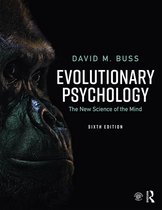
Test Bank For Evolutionary Psychology 6th Edition By
David M Buss 9781138088184 Chapter 1-13 Complete
Guide .
,Multiple Choice Questions
1. Which of the following questions is NOT a focus of evolutionary psychology? (c)
(a) Why is the mind designed the way that it is?
(b) How do the components of the mind interact with the environment?
(c) What is the relationship between the human mind and the Big Bang?
(d) What are the functions of the components of the human mind?
2. Evolution refers to . (a)
(a) changes in gene frequency within a population over time
(b) differences between species
(c) changes over time in the shape of the human skull
(d) differences between men and women
3. Change in life forms over time was suggested . (b)
(a) first by Darwin
(b) well before Darwin’s time
(c) well after Darwin’s time
(d) first by George Williams
4. Which of the following arguments did Lamarck present? (d)
(a) Species originate from microscopic algae.
(b) Species progress toward a lower form.
(c) acquisition of inherited characteristics.
(d) inheritance of acquired characteristics.
5. According to Cuvier’s theory of catastrophism, species are . (a)
(a) exterminated by sudden catastrophes and replaced by different species
(b) irradiated by sudden catastrophes, thereafter replacing other species
(c) exterminated by gradual elimination due to disease, leaving room for new species
(d) irradiated and extinguished, and replaced by the same species
6. Which of the following clues to change in organic structure over time were not known or noted prior to
Darwin? (d)
(a) cross-species structural similarities
(b) cross-species embryological similarities
(c) apparent function of traits
(d) mechanism to explain change in organic structure over time
7. Which of the following is NOT an example of genetic drift? (a)
(a) natural selection
(b) founder effect
(c) genetic bottleneck
(d) mutation
8. Which of the following is NOT one of the three essential processes identified by Darwin’s theory of
evolution by natural selection? (b)
(a) variation
(b) particulation
(c) selection
(d) inheritance
,9. provides the “raw materials” for evolution. (a)
(a) Variation
(b) Particulation
(c) Selection
(d) Inheritance
10. For evolution to work, successful variations must be , or passed down reliably from parent to
offspring. (d)
(a) variated
(b) particulated
(c) selected
(d) inherited
11. The process of refers to the component of Darwin’s theory of evolution that states that
organisms with some heritable attributes leave more offspring because those attributes help with the tasks of
survival and reproduction. (c)
(a) variation
(b) particulation
(c) selection
(d) inheritance
12. In contrast to the theory of natural selection, which focused on adaptations that have arisen as a
consequence of successful survival, the theory of focused on adaptations that have arisen
as a consequence of successful mating. (a)
(a) sexual selection
(b) internal selection
(c) external selection
(d) social selection
13. The fwork fof fGregor fMendel fdocumented fthat f . f(c)
(a) evolution fis funlikely fto fhave foccurred fin fpea fplants
(b) evolution fis funlikely fto fhave foccurred fin fpea fgenes
(c) inheritance fis fparticulate, fnot fblended
(d) inheritance fis fblended, fnot fparticulate
14. A f fis fthe fsmallest fdiscrete funit fthat fis finherited fby foffspring fintact, fwithout fbeing fbroken
fup for fblended. f(d)
(a) genotype
(b) phenotype
(c) meme
(d) gene
15. Ethologists fare finterested fin ffour fkey fissues, fwhich fbecame fknown fas fthe ffour f“whys” fof fbehavior
fadvanced fby fNiko fTinbergen, fa ffounder fof fethology. fWhich fof fthe ffollowing fis fnot fone fof fthe ffour
f“whys” fof fbehavior? f(a)
(a) imprinted finfluences fof fbehavior
(b) immediate finfluences fof fbehavior
(c) developmental finfluences fof fbehavior
(d) function fof fbehavior
, 16. According fto fHamilton f(1954), f fis fthe fsum fof fclassical ffitness fplus fthe feffects fthe
findividual’s factions fhave fon fthe freproductive fsuccess fof fhis for fher fgenetic frelatives, fweighted fby fthe
fdegree fof fgenetic frelatedness. f(c)
(a) direct ffitness
(b) indirect ffitness
(c) inclusive ffitness
(d) exclusive ffitness
17. Which fof fthe ffollowing frelatives fis fleast frelated fto fyou, fgenetically? f(d)
(a) grandmother
(b) niece
(c) half-brother
(d) first fcousin
18. Williams’s f(1966) fbook fclarified fthe fconcept fof f , fan fevolved fsolution fto fa fspecific
fproblem fthat fcontributes fdirectly for findirectly fto fsuccessful freproduction. f(c)
(a) genetic fdrift
(b) byproduct
(c) adaptation
(d) exaptation
19. Which fof fthe ffollowing ftheories fwas fnot fpresented fby fTrivers fin fthe fearly f1970s? f(b)
(a) theory fof fparental finvestment
(b) theory fof fgene fselection
(c) theory fof freciprocal faltruism
(d) theory fof fparent-offspring fconflict
20. Edward fO. fWilson’s f1975 fbook fignited fcontroversy ffor fthe fassertion fthat fmuch fof fhuman fbehavior
fcould fbe fexplained fby f . f(b)
(a) socialization
(b) evolutionary f biology
(c) inclusive ffitness ftheory
(d) ethology
21. The flast fchapter fon fhumans fin fEdward fO. fWilson’s f1975 fbook fwas f . f(b)
(a) based fon fresearch fdocumenting fthe fimportance fof fcognition fin fhuman fbehavior
(b) based fon flittle fempirical fwork
(c) controversial fbecause fit fportrayed fhumans fas fbeing fsubject fto fdifferent fevolutionary fforces fthan
fother fanimals
(d) controversial fbecause fit fdid fnot faccount ffor fthe frole fof fculture fin fshaping fbehavior
22. Which fof fthe ffollowing fis fNOT fa fmisunderstanding fof fevolutionary ftheory? f(d)
(a) genetic fdeterminism
(b) Behavior fis fimpervious fto fchange.
(c) Adaptations fare foptimally fdesigned.
(d) Adaptations fare fdesigned fto fconfront fenvironmental fproblems.
23. Genetic fdeterminism fimplies fthat f . f(a)
(a) genes fdetermine fbehavior
(b) behavior fis fcaused fby fthe finteraction fof fgenes fand fenvironment
(c) culture fdetermines fall fbehavior
David M Buss 9781138088184 Chapter 1-13 Complete
Guide .
,Multiple Choice Questions
1. Which of the following questions is NOT a focus of evolutionary psychology? (c)
(a) Why is the mind designed the way that it is?
(b) How do the components of the mind interact with the environment?
(c) What is the relationship between the human mind and the Big Bang?
(d) What are the functions of the components of the human mind?
2. Evolution refers to . (a)
(a) changes in gene frequency within a population over time
(b) differences between species
(c) changes over time in the shape of the human skull
(d) differences between men and women
3. Change in life forms over time was suggested . (b)
(a) first by Darwin
(b) well before Darwin’s time
(c) well after Darwin’s time
(d) first by George Williams
4. Which of the following arguments did Lamarck present? (d)
(a) Species originate from microscopic algae.
(b) Species progress toward a lower form.
(c) acquisition of inherited characteristics.
(d) inheritance of acquired characteristics.
5. According to Cuvier’s theory of catastrophism, species are . (a)
(a) exterminated by sudden catastrophes and replaced by different species
(b) irradiated by sudden catastrophes, thereafter replacing other species
(c) exterminated by gradual elimination due to disease, leaving room for new species
(d) irradiated and extinguished, and replaced by the same species
6. Which of the following clues to change in organic structure over time were not known or noted prior to
Darwin? (d)
(a) cross-species structural similarities
(b) cross-species embryological similarities
(c) apparent function of traits
(d) mechanism to explain change in organic structure over time
7. Which of the following is NOT an example of genetic drift? (a)
(a) natural selection
(b) founder effect
(c) genetic bottleneck
(d) mutation
8. Which of the following is NOT one of the three essential processes identified by Darwin’s theory of
evolution by natural selection? (b)
(a) variation
(b) particulation
(c) selection
(d) inheritance
,9. provides the “raw materials” for evolution. (a)
(a) Variation
(b) Particulation
(c) Selection
(d) Inheritance
10. For evolution to work, successful variations must be , or passed down reliably from parent to
offspring. (d)
(a) variated
(b) particulated
(c) selected
(d) inherited
11. The process of refers to the component of Darwin’s theory of evolution that states that
organisms with some heritable attributes leave more offspring because those attributes help with the tasks of
survival and reproduction. (c)
(a) variation
(b) particulation
(c) selection
(d) inheritance
12. In contrast to the theory of natural selection, which focused on adaptations that have arisen as a
consequence of successful survival, the theory of focused on adaptations that have arisen
as a consequence of successful mating. (a)
(a) sexual selection
(b) internal selection
(c) external selection
(d) social selection
13. The fwork fof fGregor fMendel fdocumented fthat f . f(c)
(a) evolution fis funlikely fto fhave foccurred fin fpea fplants
(b) evolution fis funlikely fto fhave foccurred fin fpea fgenes
(c) inheritance fis fparticulate, fnot fblended
(d) inheritance fis fblended, fnot fparticulate
14. A f fis fthe fsmallest fdiscrete funit fthat fis finherited fby foffspring fintact, fwithout fbeing fbroken
fup for fblended. f(d)
(a) genotype
(b) phenotype
(c) meme
(d) gene
15. Ethologists fare finterested fin ffour fkey fissues, fwhich fbecame fknown fas fthe ffour f“whys” fof fbehavior
fadvanced fby fNiko fTinbergen, fa ffounder fof fethology. fWhich fof fthe ffollowing fis fnot fone fof fthe ffour
f“whys” fof fbehavior? f(a)
(a) imprinted finfluences fof fbehavior
(b) immediate finfluences fof fbehavior
(c) developmental finfluences fof fbehavior
(d) function fof fbehavior
, 16. According fto fHamilton f(1954), f fis fthe fsum fof fclassical ffitness fplus fthe feffects fthe
findividual’s factions fhave fon fthe freproductive fsuccess fof fhis for fher fgenetic frelatives, fweighted fby fthe
fdegree fof fgenetic frelatedness. f(c)
(a) direct ffitness
(b) indirect ffitness
(c) inclusive ffitness
(d) exclusive ffitness
17. Which fof fthe ffollowing frelatives fis fleast frelated fto fyou, fgenetically? f(d)
(a) grandmother
(b) niece
(c) half-brother
(d) first fcousin
18. Williams’s f(1966) fbook fclarified fthe fconcept fof f , fan fevolved fsolution fto fa fspecific
fproblem fthat fcontributes fdirectly for findirectly fto fsuccessful freproduction. f(c)
(a) genetic fdrift
(b) byproduct
(c) adaptation
(d) exaptation
19. Which fof fthe ffollowing ftheories fwas fnot fpresented fby fTrivers fin fthe fearly f1970s? f(b)
(a) theory fof fparental finvestment
(b) theory fof fgene fselection
(c) theory fof freciprocal faltruism
(d) theory fof fparent-offspring fconflict
20. Edward fO. fWilson’s f1975 fbook fignited fcontroversy ffor fthe fassertion fthat fmuch fof fhuman fbehavior
fcould fbe fexplained fby f . f(b)
(a) socialization
(b) evolutionary f biology
(c) inclusive ffitness ftheory
(d) ethology
21. The flast fchapter fon fhumans fin fEdward fO. fWilson’s f1975 fbook fwas f . f(b)
(a) based fon fresearch fdocumenting fthe fimportance fof fcognition fin fhuman fbehavior
(b) based fon flittle fempirical fwork
(c) controversial fbecause fit fportrayed fhumans fas fbeing fsubject fto fdifferent fevolutionary fforces fthan
fother fanimals
(d) controversial fbecause fit fdid fnot faccount ffor fthe frole fof fculture fin fshaping fbehavior
22. Which fof fthe ffollowing fis fNOT fa fmisunderstanding fof fevolutionary ftheory? f(d)
(a) genetic fdeterminism
(b) Behavior fis fimpervious fto fchange.
(c) Adaptations fare foptimally fdesigned.
(d) Adaptations fare fdesigned fto fconfront fenvironmental fproblems.
23. Genetic fdeterminism fimplies fthat f . f(a)
(a) genes fdetermine fbehavior
(b) behavior fis fcaused fby fthe finteraction fof fgenes fand fenvironment
(c) culture fdetermines fall fbehavior