6/29/25, 6:07 PM NR546 Final Exam
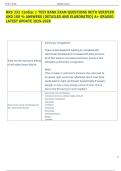
NURS 546 TEST BANK EXAM 2025\ NEWEST
VERSION WITH COMPLETE QUESTIONS AND
CORRECT DETAILED ANSWERS \VERIFIED
SOLUTIONS ||ALREADY GRDAED A+ \LATEST
UPDATE
Lithium
Pharmacologic Treatment
Anticonvulsants
of Bipolar Disorder
Second generation antipsychotics
major depressive disorder (MDD)
one of the most common mental disorders
-Approximately 7.1% of adults in the U.S. had episode
in last year, prevalence highest (13.1%) among
individuals aged 18-25
S/S
Unipolar depression -depressed mood
-loss of interest or pleasure in daily activities
-irritability
-withdrawal
-problems with sleep, eating, energy, concentration,
or self-worth
-severe depression: may experience thoughts of
suicide or psychotic symptoms.
https://quizlet.com/1057547801/nr546-final-exam-flash-cards/?funnelUUID=89419368-aafa-4649-8310-a63c35046c39 1/108
,6/29/25, 6:07 PM NR546 Final Exam
Chronic condition characterized by extreme
fluctuations in mood, energy, and ability to function
-Moods may be manic, hypomanic, or depressed and
may include mixed mood or psychotic features
-many have only experienced only one manic
episode in their lifetime
Bipolar disorder (BD)
-Mood fluctuations may be separated by periods of
high stability or may cycle rapidly
-diagnosed when a client has one or more episodes
of mania or hypomania with a history of one or more
major depressive episodes
-high risk for suicide
characterized by a persistently elevated, expansive, or
irritable mood. Related symptoms may include
inflated self-esteem, increased goal-directed activity
or energy, including grandiosity, decreased need for
sleep, excessive talkativeness, racing thoughts, flight
mania
of ideas (FOI), distractibility, psychomotor agitation,
and a propensity to be involved in high-risk activities.
Mania leads to significant functional impairment and
may include psychotic features or necessitate
hospitalization
requires at least one episode of mania for at least one
Bipolar Type I: week (or any duration if hospitalization due to
symptoms is required)
https://quizlet.com/1057547801/nr546-final-exam-flash-cards/?funnelUUID=89419368-aafa-4649-8310-a63c35046c39 2/108
,6/29/25, 6:07 PM NR546 Final Exam
diagnosis requires a current or past hypomanic
episode and a current or past major depressive
episode. Symptoms last for at least 4 days but fewer
than seven.
-Hypomanic symptoms are not of sufficient duration
or severity to cause significant functional impairment,
Bipolar Type II:
psychosis, or hospitalization.
-Anger and irritability are common.
-Clients often enjoy the elevation of mood and are
reluctant to report these symptoms, making bipolar
more difficult to diagnose if the client presents in the
depression phase.
involves the chronic presentation of hypomanic and
depressive symptoms that do not meet the diagnostic
Cyclothymia:
criteria for a major depressive or manic/hypomanic
episode.
antidepressant therapy may precipitate a manic
If bipolar depression is episode or induce rapid-cycling bipolar depression
mistaken for MDD: -may contribute to the increased incidence of death
by suicide in children and adults younger than 25
Antidepressants are used monotherapy
cautiously in clients with -Antidepressants should be combined with a mood
bipolar disorder and never stabilizer to prevent the onset of a hypomanic or
as ___________. manic episode
Decreased positive affect:
depressed mood
loss of joy
DA, NE Dysfunction
lack of interest
causes what mood related
loss of energy
symptoms
decreased alertness
decreased self-confidence
appetite changes
https://quizlet.com/1057547801/nr546-final-exam-flash-cards/?funnelUUID=89419368-aafa-4649-8310-a63c35046c39 3/108
, 6/29/25, 6:07 PM NR546 Final Exam
Increased negative affect:
depressed mood
guilt
5HT, NE Dysfunction
fear/anxiety
causes what mood related
hostility
symptoms
irritability
loneliness
appetite changes
-depression occurs as a result of a deficiency of one
monoamine hypothesis of or all three monoamine transmitters
depression • serotonin, norepinephrine, and dopamine
-while mania may result from an excess
• Selective Serotonin Reuptake Inhibitors (SSRIs)
• Serotonin Norepinephrine Reuptake Inhibitors
Medication Management
(SNRIs)
for Depression, First-Line
• Norepinephrine Dopamine Reuptake Inhibitors
Treatment:
(NDRI)
• Serotonin Antagonist and Reuptake Inhibitors (SARIs)
Mechanism of action
• inhibit 5-HT reuptake
Adverse effects
SSRI's -diarrhea
-headache
-weight gain
-sexual side effects
Mechanism of action
• inhibit 5-HT reuptake
• inhibit NE reuptake (increase energy, focus)
• increase DA in prefrontal cortex (increase cognition)
SNRI's Adverse effects
-elevated blood pressure
-anxiety
-insomnia
-constipation
https://quizlet.com/1057547801/nr546-final-exam-flash-cards/?funnelUUID=89419368-aafa-4649-8310-a63c35046c39 4/108
NURS 546 TEST BANK EXAM 2025\ NEWEST
VERSION WITH COMPLETE QUESTIONS AND
CORRECT DETAILED ANSWERS \VERIFIED
SOLUTIONS ||ALREADY GRDAED A+ \LATEST
UPDATE
Lithium
Pharmacologic Treatment
Anticonvulsants
of Bipolar Disorder
Second generation antipsychotics
major depressive disorder (MDD)
one of the most common mental disorders
-Approximately 7.1% of adults in the U.S. had episode
in last year, prevalence highest (13.1%) among
individuals aged 18-25
S/S
Unipolar depression -depressed mood
-loss of interest or pleasure in daily activities
-irritability
-withdrawal
-problems with sleep, eating, energy, concentration,
or self-worth
-severe depression: may experience thoughts of
suicide or psychotic symptoms.
https://quizlet.com/1057547801/nr546-final-exam-flash-cards/?funnelUUID=89419368-aafa-4649-8310-a63c35046c39 1/108
,6/29/25, 6:07 PM NR546 Final Exam
Chronic condition characterized by extreme
fluctuations in mood, energy, and ability to function
-Moods may be manic, hypomanic, or depressed and
may include mixed mood or psychotic features
-many have only experienced only one manic
episode in their lifetime
Bipolar disorder (BD)
-Mood fluctuations may be separated by periods of
high stability or may cycle rapidly
-diagnosed when a client has one or more episodes
of mania or hypomania with a history of one or more
major depressive episodes
-high risk for suicide
characterized by a persistently elevated, expansive, or
irritable mood. Related symptoms may include
inflated self-esteem, increased goal-directed activity
or energy, including grandiosity, decreased need for
sleep, excessive talkativeness, racing thoughts, flight
mania
of ideas (FOI), distractibility, psychomotor agitation,
and a propensity to be involved in high-risk activities.
Mania leads to significant functional impairment and
may include psychotic features or necessitate
hospitalization
requires at least one episode of mania for at least one
Bipolar Type I: week (or any duration if hospitalization due to
symptoms is required)
https://quizlet.com/1057547801/nr546-final-exam-flash-cards/?funnelUUID=89419368-aafa-4649-8310-a63c35046c39 2/108
,6/29/25, 6:07 PM NR546 Final Exam
diagnosis requires a current or past hypomanic
episode and a current or past major depressive
episode. Symptoms last for at least 4 days but fewer
than seven.
-Hypomanic symptoms are not of sufficient duration
or severity to cause significant functional impairment,
Bipolar Type II:
psychosis, or hospitalization.
-Anger and irritability are common.
-Clients often enjoy the elevation of mood and are
reluctant to report these symptoms, making bipolar
more difficult to diagnose if the client presents in the
depression phase.
involves the chronic presentation of hypomanic and
depressive symptoms that do not meet the diagnostic
Cyclothymia:
criteria for a major depressive or manic/hypomanic
episode.
antidepressant therapy may precipitate a manic
If bipolar depression is episode or induce rapid-cycling bipolar depression
mistaken for MDD: -may contribute to the increased incidence of death
by suicide in children and adults younger than 25
Antidepressants are used monotherapy
cautiously in clients with -Antidepressants should be combined with a mood
bipolar disorder and never stabilizer to prevent the onset of a hypomanic or
as ___________. manic episode
Decreased positive affect:
depressed mood
loss of joy
DA, NE Dysfunction
lack of interest
causes what mood related
loss of energy
symptoms
decreased alertness
decreased self-confidence
appetite changes
https://quizlet.com/1057547801/nr546-final-exam-flash-cards/?funnelUUID=89419368-aafa-4649-8310-a63c35046c39 3/108
, 6/29/25, 6:07 PM NR546 Final Exam
Increased negative affect:
depressed mood
guilt
5HT, NE Dysfunction
fear/anxiety
causes what mood related
hostility
symptoms
irritability
loneliness
appetite changes
-depression occurs as a result of a deficiency of one
monoamine hypothesis of or all three monoamine transmitters
depression • serotonin, norepinephrine, and dopamine
-while mania may result from an excess
• Selective Serotonin Reuptake Inhibitors (SSRIs)
• Serotonin Norepinephrine Reuptake Inhibitors
Medication Management
(SNRIs)
for Depression, First-Line
• Norepinephrine Dopamine Reuptake Inhibitors
Treatment:
(NDRI)
• Serotonin Antagonist and Reuptake Inhibitors (SARIs)
Mechanism of action
• inhibit 5-HT reuptake
Adverse effects
SSRI's -diarrhea
-headache
-weight gain
-sexual side effects
Mechanism of action
• inhibit 5-HT reuptake
• inhibit NE reuptake (increase energy, focus)
• increase DA in prefrontal cortex (increase cognition)
SNRI's Adverse effects
-elevated blood pressure
-anxiety
-insomnia
-constipation
https://quizlet.com/1057547801/nr546-final-exam-flash-cards/?funnelUUID=89419368-aafa-4649-8310-a63c35046c39 4/108