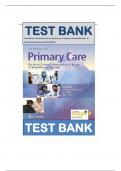
,Complete Test Bank For Canadian Clinical Nursing Skills and Techniques 2nd Edition
h7 h7 h7 h7 h7 h7 h7 h7 h7 h7 h7 h7
by Perry, Patricia A. Potter Chapter 1-43 Complete Guide
h7 h7 h7 h7 h7 h7 h7 h7
,
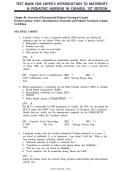
, Chapter 01: Using Evidence in Nursing Practice
h7 h7 h7 h7 h7 h7
Perry et al.: Clinical Nursing Skills & Techniques, 2nd Edition
h7 h7 h7 h7 h7 h7 h7 h7 h7
MULTIPLE CHOICE h7
1. Evidence-based practice is a problem- h7 h7 h7 h7
solving approach to making decisions about PATIENT carethat is grounded in:
h7 h7 h7 h7 h7 h7 h7 h7 h7 h7
a. the latest information found in textbooks.
h7 h7 h7 h7 h7
b. systematically conducted research studies. h7 h7 h7
c. tradition in clinical practice. h7 h7 h7
d. quality improvement and risk-management data. h7 h7 h7 h7
ANS: B h7
The best evidence comes from well-
h7 h7 h7 h7 h7
designed, systematically conducted research studies described in scientific journals. Portions
h7 h7 h7 h7 h7 h7 h7 h7 h7 h7
of a textbook often become outdated by the time it is published. Many health care settings do
h7 h7 h7 h7 h7 h7 h7 h7 h7 h7 h7 h7 h7 h7 h7 h7
not have a process to help staff adopt new evidence in practice, and nurses in practice settin
h7 h7 h7 h7 h7 h7 h7 h7 h7 h7 h7 h7 h7 h7 h7 h7 h7
gs lack easy access to risk-
h7 h7 h7 h7 h7
management data, relying instead on tradition or convenience. Some sources of evidence do
h7 h7 h7 h7 h7 h7 h7 h7 h7 h7 h7 h7 h7
not originate from research. These include quality improvement and risk-
h7 h7 h7 h7 h7 h7 h7 h7 h7
management data; infection control data; retrospective or concurrent chart reviews; and clini
h7 h7 h7 h7 h7 h7 h7 h7 h7 h7 h7
cians‘ expertise. Although h7 h7
non–research-
based evidence is often very valuable, it is important that you learn to rely more on research
h7 h7 h7 h7 h7 h7 h7 h7 h7 h7 h7 h7 h7 h7 h7 h7
-based evidence. h7
DIFFERENCE: CognitiveLevel: Comprehension OBJECTIVE: Discuss the benefits of evidenc
h7 h7 h7 h7 h7 h7 h7 h7
e- based practice.TOP: Evidence-Based Practice
h7 h7 h 7 h7
KEY: Nursing Process Step: Assessment h7 h7 h7 h7
MSC: NCLEX: Safe and Effective Care Environment (management of care)
h7 h7 h7 h7 h7 h7 h7 h7 h7
2. When evidence-based practice is used, PATIENT care will be:
h7 h7 h7 h7 h7 h7 h7 h7
a. standardized for all. h7 h7
b. unhampered by PATIENT culture. h7 h7 h7
c. variable according to the situation. h7 h7 h7 h7
d. safe from the hazards of critical thinking.
h7 h7 h7 h7 h7 h7
ANS: C h7
Using your clinical expertise and considering PATIENTs‘ cultures, values, and prefere
h7 h7 h7 h7 h7 h7 h7 h7 h7 h7
nces ensures that you will apply available evidence in practice ethically and appropriat
h7 h7 h7 h7 h7 h7 h7 h7 h7 h7 h7 h7
ely. Evenwhen you use the best evidence available, application and outcomes will diffe
h7 h7 h7 h7 h7 h7 h7 h7 h7 h7 h7 h7
r; as a nurse,you will develop critical thinking skills to determine whether evidence is
h7 h7 h7 h7 h7 h7 h7 h7 h7 h7 h7 h7 h7 h7
relevant and appropriate. h7 h7
DIFFERENCE: CognitiveLevel: Application h7 h7
OBJECTIVE: Discuss the benefits of evidence h7 h7 h7 h7 h7
- based practice.TOP:
h7 Evidence-Based Practice
h7 h 7 h7
KEY: Nursing Process Step: Assessment h7 h7 h7 h7
MSC: NCLEX: Safe and Effective Care Environment (management of care)
h7 h7 h7 h7 h7 h7 h7 h7 h7
3. When a PICOT question is developed, the letter that corresponds with the usual standard
h7 h7 h7 h7 h7 h7 h7 h7 h7 h7 h7 h7 h7 h7
of care is:
h7 h7
a. P.
b. I.
c.
h7 h7 h7 h7 h7 h7 h7 h7 h7 h7 h7 h7
by Perry, Patricia A. Potter Chapter 1-43 Complete Guide
h7 h7 h7 h7 h7 h7 h7 h7
,
, Chapter 01: Using Evidence in Nursing Practice
h7 h7 h7 h7 h7 h7
Perry et al.: Clinical Nursing Skills & Techniques, 2nd Edition
h7 h7 h7 h7 h7 h7 h7 h7 h7
MULTIPLE CHOICE h7
1. Evidence-based practice is a problem- h7 h7 h7 h7
solving approach to making decisions about PATIENT carethat is grounded in:
h7 h7 h7 h7 h7 h7 h7 h7 h7 h7
a. the latest information found in textbooks.
h7 h7 h7 h7 h7
b. systematically conducted research studies. h7 h7 h7
c. tradition in clinical practice. h7 h7 h7
d. quality improvement and risk-management data. h7 h7 h7 h7
ANS: B h7
The best evidence comes from well-
h7 h7 h7 h7 h7
designed, systematically conducted research studies described in scientific journals. Portions
h7 h7 h7 h7 h7 h7 h7 h7 h7 h7
of a textbook often become outdated by the time it is published. Many health care settings do
h7 h7 h7 h7 h7 h7 h7 h7 h7 h7 h7 h7 h7 h7 h7 h7
not have a process to help staff adopt new evidence in practice, and nurses in practice settin
h7 h7 h7 h7 h7 h7 h7 h7 h7 h7 h7 h7 h7 h7 h7 h7 h7
gs lack easy access to risk-
h7 h7 h7 h7 h7
management data, relying instead on tradition or convenience. Some sources of evidence do
h7 h7 h7 h7 h7 h7 h7 h7 h7 h7 h7 h7 h7
not originate from research. These include quality improvement and risk-
h7 h7 h7 h7 h7 h7 h7 h7 h7
management data; infection control data; retrospective or concurrent chart reviews; and clini
h7 h7 h7 h7 h7 h7 h7 h7 h7 h7 h7
cians‘ expertise. Although h7 h7
non–research-
based evidence is often very valuable, it is important that you learn to rely more on research
h7 h7 h7 h7 h7 h7 h7 h7 h7 h7 h7 h7 h7 h7 h7 h7
-based evidence. h7
DIFFERENCE: CognitiveLevel: Comprehension OBJECTIVE: Discuss the benefits of evidenc
h7 h7 h7 h7 h7 h7 h7 h7
e- based practice.TOP: Evidence-Based Practice
h7 h7 h 7 h7
KEY: Nursing Process Step: Assessment h7 h7 h7 h7
MSC: NCLEX: Safe and Effective Care Environment (management of care)
h7 h7 h7 h7 h7 h7 h7 h7 h7
2. When evidence-based practice is used, PATIENT care will be:
h7 h7 h7 h7 h7 h7 h7 h7
a. standardized for all. h7 h7
b. unhampered by PATIENT culture. h7 h7 h7
c. variable according to the situation. h7 h7 h7 h7
d. safe from the hazards of critical thinking.
h7 h7 h7 h7 h7 h7
ANS: C h7
Using your clinical expertise and considering PATIENTs‘ cultures, values, and prefere
h7 h7 h7 h7 h7 h7 h7 h7 h7 h7
nces ensures that you will apply available evidence in practice ethically and appropriat
h7 h7 h7 h7 h7 h7 h7 h7 h7 h7 h7 h7
ely. Evenwhen you use the best evidence available, application and outcomes will diffe
h7 h7 h7 h7 h7 h7 h7 h7 h7 h7 h7 h7
r; as a nurse,you will develop critical thinking skills to determine whether evidence is
h7 h7 h7 h7 h7 h7 h7 h7 h7 h7 h7 h7 h7 h7
relevant and appropriate. h7 h7
DIFFERENCE: CognitiveLevel: Application h7 h7
OBJECTIVE: Discuss the benefits of evidence h7 h7 h7 h7 h7
- based practice.TOP:
h7 Evidence-Based Practice
h7 h 7 h7
KEY: Nursing Process Step: Assessment h7 h7 h7 h7
MSC: NCLEX: Safe and Effective Care Environment (management of care)
h7 h7 h7 h7 h7 h7 h7 h7 h7
3. When a PICOT question is developed, the letter that corresponds with the usual standard
h7 h7 h7 h7 h7 h7 h7 h7 h7 h7 h7 h7 h7 h7
of care is:
h7 h7
a. P.
b. I.
c.