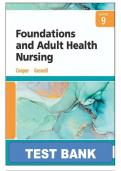
Test Bank For Burns' Pediatric Primary
A. A. A. A
. A. A.
Care
7th Edition A. A.
Chapter1: HealthStatus ofChildren: GlobalandNational Perspective
1 1 1 1 1 1 1 1 1
s
1. Whichregion globally has thehighest infant mortality rate?
1 1 1 1 1 1 1 1
A. Indonesia
B. Southern Asia 1
C. SubSaharan Africa Correct 1 1
D. Syria
2. The primary care pediatric nurse practitioner understandsthat,to achieve th
1 1 1 1 1 1 1 1 1 1
e
greatest worldwide
1
reduction inchild mortality frompneumonia and diarrhea, which interventionis mos
1 1 1 1 1 1 1 1
t effective?
1
A. Antibiotics
B. Optimal nutrition 1
C. VaccinationsCorrect 1
D. Water purification1
3. Whichistrueaboutthehealthstatus of childrenintheUnited States?
1 1 1 1 1 1 1 1 1 1 1 1
. 1334841385
1
6
A. Globalism has relatively little impact onchild health measures in the U.S.
1 1 1 1 1 1 1 1 1 1
B. Obesity rates among 2to5yearolds have shown a r 1 1 1 1 1 1 1
ecentsignificant
decrease. Correct
.
C. The rate of household poverty is lower than in other economically de
1 1 1 1 1 1 1 1 1 1 1
veloped nations.1
D. Young children who attend preschool or day care have higher food in
1 1 1 1 1 1 1 1 1 1 1
security.
,C. nutrition. Correct
D. pollution.
,5. Whenproviding well child carefor aninfant inthefirst year oflife,the p
A. 1 A. 1 1 1 1 1
rimary
carepediatricnursepractitioner isadheringtothemostrecentAmerican Aca
1 1 1 1 1 1 1 1 1 1 1
demy of 1
PediatricsRecommendations for Preventive Pediatric Health Care guidelines b 1 1 1 1 1 1 1
y
A. focusing less on development and more on illness prevention and n
1 1 1 1 1 1 1 1 1 1
utrition.
B. following guidelines established by theBright Futures publication.
1 1 1 1 1 1
C. scheduling wellbaby visits tocoincide with key 1 1 1 1 1 1 1
developmentalmilestones. Correct 1
D. seeing the infant at ages 2, 4, 6, and 12 months when immunizations are due
1 1 1 1 1 1 1 1 1 1 1 1 1 1
.
Chapter 2. Unique Issues in Pediatrics
1 1 1 1 1
1. A nurse is explaining the therapeutic milieu to a new nurse. The best ex
1 1 1 1 1 1 1 1 1 1 1 1 1
planation of this term would be:
1 1 1 1 1
1. Theplace wherethe child is receiving care.
1 1 1 1 1
, 2. Group therapy. 1
3. Personalinteractions b etween patients andstaff. 1 A. 1
4. AlloftheaboveareCorrect. 1 1
ANS: 4 1
2. A 16-year-old malehas received a pink-
A. 1 1 1 1 A.
slipfromthepolicefor inpatient psychiatric treatment. The teen
1 1 1 1 1 1 1 1
hasbeenexpressing thoughtsofhanginghimselfbecauseLifesucks.The nur A
. 1
sing staff should consider 1 1 1
placingthe child: 1
1. With peers. 1
2. Inanarea wherehecan bewatched one-on-one.
1 1 1 1 1 1 1 1
3. With aroommate that is expressing thesame concerns. 1 1 1 1 1 1 1 1
4. In an area closetoan external door. A
A. 1 A. 1 1 1 1
NS: 2 1
3. Learning d isabilities inchildren have scientifically been linked to: A. 1 A. A. A. 1
1. Poor nutrition. 1
2. Theenvironment in which thechild lives. 1 1 1 1
3. Genetics.
4. Watching more than four hours of television aday. AN 1 1 1 1 1 1 1 1
S: 3 1
4.Amental healthnursehasassessedachildanddeterminedthatthechildexhibits behavi
1 1 1 1 1 1 1 1 1 1 1 1 1 1 1
oral challenges. 1
Whentheschool nurse explains this toateacher, thebest description wouldbe:
1 1 1 1 1 1 1 1 1 1 1 1
.
1. Thechildmayexhibit physical outbursts. 1 1 1 1 1
2. The child may exhibit violence toward others. A. 1 1 1 1
3. Thechildmaybedefiant or havetantrums. 1 1 1 1 1 1 1
4. The child will need specialinterventions forlearning. A
A. 1 A. 1 1 1
NS: 3 1
5. Achildthat has notexhibited enuresisinfouryearshasexhibitedthis beh
1 1 1 1 1 1 1 1 1 1 1 1 1
avior pattern for the last week. 1 1 1 1 1
Thereasonachildmay revert backtothisbehavior patternisbecauseof:
1 1 1 1 1 1 1 1 1 1 1 1 1
1. Hallucinations.
A. A. A. A
. A. A.
Care
7th Edition A. A.
Chapter1: HealthStatus ofChildren: GlobalandNational Perspective
1 1 1 1 1 1 1 1 1
s
1. Whichregion globally has thehighest infant mortality rate?
1 1 1 1 1 1 1 1
A. Indonesia
B. Southern Asia 1
C. SubSaharan Africa Correct 1 1
D. Syria
2. The primary care pediatric nurse practitioner understandsthat,to achieve th
1 1 1 1 1 1 1 1 1 1
e
greatest worldwide
1
reduction inchild mortality frompneumonia and diarrhea, which interventionis mos
1 1 1 1 1 1 1 1
t effective?
1
A. Antibiotics
B. Optimal nutrition 1
C. VaccinationsCorrect 1
D. Water purification1
3. Whichistrueaboutthehealthstatus of childrenintheUnited States?
1 1 1 1 1 1 1 1 1 1 1 1
. 1334841385
1
6
A. Globalism has relatively little impact onchild health measures in the U.S.
1 1 1 1 1 1 1 1 1 1
B. Obesity rates among 2to5yearolds have shown a r 1 1 1 1 1 1 1
ecentsignificant
decrease. Correct
.
C. The rate of household poverty is lower than in other economically de
1 1 1 1 1 1 1 1 1 1 1
veloped nations.1
D. Young children who attend preschool or day care have higher food in
1 1 1 1 1 1 1 1 1 1 1
security.
,C. nutrition. Correct
D. pollution.
,5. Whenproviding well child carefor aninfant inthefirst year oflife,the p
A. 1 A. 1 1 1 1 1
rimary
carepediatricnursepractitioner isadheringtothemostrecentAmerican Aca
1 1 1 1 1 1 1 1 1 1 1
demy of 1
PediatricsRecommendations for Preventive Pediatric Health Care guidelines b 1 1 1 1 1 1 1
y
A. focusing less on development and more on illness prevention and n
1 1 1 1 1 1 1 1 1 1
utrition.
B. following guidelines established by theBright Futures publication.
1 1 1 1 1 1
C. scheduling wellbaby visits tocoincide with key 1 1 1 1 1 1 1
developmentalmilestones. Correct 1
D. seeing the infant at ages 2, 4, 6, and 12 months when immunizations are due
1 1 1 1 1 1 1 1 1 1 1 1 1 1
.
Chapter 2. Unique Issues in Pediatrics
1 1 1 1 1
1. A nurse is explaining the therapeutic milieu to a new nurse. The best ex
1 1 1 1 1 1 1 1 1 1 1 1 1
planation of this term would be:
1 1 1 1 1
1. Theplace wherethe child is receiving care.
1 1 1 1 1
, 2. Group therapy. 1
3. Personalinteractions b etween patients andstaff. 1 A. 1
4. AlloftheaboveareCorrect. 1 1
ANS: 4 1
2. A 16-year-old malehas received a pink-
A. 1 1 1 1 A.
slipfromthepolicefor inpatient psychiatric treatment. The teen
1 1 1 1 1 1 1 1
hasbeenexpressing thoughtsofhanginghimselfbecauseLifesucks.The nur A
. 1
sing staff should consider 1 1 1
placingthe child: 1
1. With peers. 1
2. Inanarea wherehecan bewatched one-on-one.
1 1 1 1 1 1 1 1
3. With aroommate that is expressing thesame concerns. 1 1 1 1 1 1 1 1
4. In an area closetoan external door. A
A. 1 A. 1 1 1 1
NS: 2 1
3. Learning d isabilities inchildren have scientifically been linked to: A. 1 A. A. A. 1
1. Poor nutrition. 1
2. Theenvironment in which thechild lives. 1 1 1 1
3. Genetics.
4. Watching more than four hours of television aday. AN 1 1 1 1 1 1 1 1
S: 3 1
4.Amental healthnursehasassessedachildanddeterminedthatthechildexhibits behavi
1 1 1 1 1 1 1 1 1 1 1 1 1 1 1
oral challenges. 1
Whentheschool nurse explains this toateacher, thebest description wouldbe:
1 1 1 1 1 1 1 1 1 1 1 1
.
1. Thechildmayexhibit physical outbursts. 1 1 1 1 1
2. The child may exhibit violence toward others. A. 1 1 1 1
3. Thechildmaybedefiant or havetantrums. 1 1 1 1 1 1 1
4. The child will need specialinterventions forlearning. A
A. 1 A. 1 1 1
NS: 3 1
5. Achildthat has notexhibited enuresisinfouryearshasexhibitedthis beh
1 1 1 1 1 1 1 1 1 1 1 1 1
avior pattern for the last week. 1 1 1 1 1
Thereasonachildmay revert backtothisbehavior patternisbecauseof:
1 1 1 1 1 1 1 1 1 1 1 1 1
1. Hallucinations.