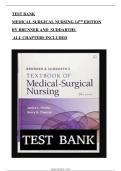
TEST BANK %vn
Canadian Fundamentals of Nursing
%vn %vn %vn
Patricia %vn A. % v n Potter, %vn Anne %v n Griffin %v n Perry, %vn Patricia %v n A. %vn Stockert, % vn Amy %v n Hall, %vn Barbara % vn J. %vn Astle
% vn & %v n Wendy %vn Duggleby
6th Edition
%vn
,Table of Contents
%vn %vn
Chapter %vn01 %vnHealth %vnand %vnWellness 2
Chapter %vn02 %vnThe %vnCanadian %vnHealth %vnCare %vnDelivery %vnSystem 11
Chapter %vn03 %vnThe %vnDevelopment %vnof %vnNursing %vnin %vnCanada 19
Chapter %vn04 %vnCommunity %vnHealth %vnNursing %vnPractice 25
Chapter %vn05 %vnTheoretical %vnFoundations %vnof %vnNursing %vnPractice 34
Chapter %vn06 %vnEvidence-Informed %vnPractice 40
Chapter %vn07 %vnNursing %vnValues %vnand %vnEthics 48
Chapter %vn08 %vnLegal %vnImplications %vnin %vnNursing %vnPractice 56
Chapter %vn09 %vnGlobal %vnHealth 67
Chapter %vn10 %vnIndigenous %vnHealth 75
Chapter %vn11 %vnNursing %vnLeadership, %vnManagement, %vnand %vnCollaborative %vnPractice 83
Chapter %vn12 %vnCritical %vnThinking %vnin %vnNursing %vnPractice 91
Chapter %vn13 %vnNursing %vnAssessment, %vnDiagnosis, %vnand %vnPlanning 99
Chapter %vn14 %vnImplementing %vnand %vnEvaluating %vnNursing %vnCare 110
Chapter %vn15 %vnDocumenting %vnand %vnReporting 121
Chapter %vn16 %vnNursing %vnInformatics %vnand %vnCanadian %vnNursing %vnPractice 135
Chapter %vn17 %vnCommunication %vnand %vnRelational %vnPractice 142
Chapter %vn18 %vnPatient-Centred %vnCare %vnInterprofessional %vnCollaborative %vnPractice 154
Chapter %vn19 %vnFamily %vnNursing 161
Chapter %vn20 %vnPatient %vnEducation 175
Chapter %vn21 %vnDevelopmental %vnTheories 187
Chapter %vn22 %vnConception %vnThrough %vnAdolescence 196
Chapter %vn23 %vnYoung %vnto %vnMiddle %vnAdulthood 206
Chapter %vn24 %vnOlder %vnPersons 215
Chapter %vn25 %vnThe %vnExperience %vnof %vnLoss, %vnDeath, %vnand %vnGrief 226
Chapter %vn26 %vnSelf-Concept 236
Chapter %vn27 %vnSexuality 244
Chapter %vn28 %vnSpirituality %vnin %vnHealth %vnand %vnHealth %vnCare 253
Chapter %vn29 %vnStress %vnand %vnAdaptation 261
Chapter %vn30 %vnVital %vnSigns 269
Chapter %vn31 %vnPain %vnAssessment %vnand %vnManagement 286
Chapter %vn32 %vnHealth %vnAssessment %vnand %vnPhysical %vnExamination 302
Chapter %vn33 %vnInfection %vnControl 317
Chapter %vn34 %vnMedication %vnAdministration 335
Chapter %vn35 %vnComplementary %vnand %vnAlternative %vnApproaches %vnin %vnHealth %vnCare 350
Chapter %vn36 %vnActivity %vnand %vnExercise 358
Chapter %vn37 %vnQuality %vnand %vnPatient %vnSafety 370
Chapter %vn38 %vnHygiene 382
,Chapter %vn39 %vnCardiopulmonary %vnFunctioning %vnand %vnOxygenation 401
Chapter %vn40 %vnFluid, %vnElectrolyte, %vnand %vnAcid–Base %vnBalances 417
Chapter %vn41 %vnSleep 433
Chapter %vn42 %vnNutrition 441
Chapter %vn43 %vnUrinary %vnElimination 457
Chapter %vn44 %vnBowel %vnElimination 472
Chapter %vn45 %vnMobility %vnand %vnImmobility 485
Chapter %vn46 %vnSkin %vnIntegrity %vnand %vnWound %vnCare 503
Chapter %vn47 %vnSensory %vnAlterations 523
Chapter %vn48 %vnCare %vnof %vnSurgical %vnPatients 534
, Test %vnBank %vn- %vnCanadian %vnFundamentals %vnof %vnNursing, %vn6e
%vn(Potter, %vnPerry, %vn2019)
Chapter 01: Health and Wellness
Potter et al: Canadian Fundamentals of Nursing, 6th Edition
MULTIPLE CHOICE
1. The nurse is using the population health promotion model to develop actions for
improving health. After asking, “On what should we take action?”; “How should we take
action?”; and “Why should we take action?” the nurse will ask which of the following
questions?
a. “With whom should we act?”
b. “When should we take action?”
c. “Which government should take action?”
d. “Where should we first act?”
ANS: A
The next question to ask when using the population health model approach is “With whom
should we act?” The other choices are not questions included in this model.
DIF: Apply REF: 13 (Figure 1-5)
OBJ: Contrast distinguishing features of health promotion and disease prevention.
TOP: Implementation MSC: NCLEX: Health Promotion and Maintenance
2. The principle “Health promotion is multisectoral” means which of the following?
a. Relationships between individual, social, and environmental factors must be
recognized.
b. Physical, mental, social, ecological, cultural, and spiritual aspects of health must
be recognized.
c. In order to change unhealthy living and working conditions, areas other than health
must also be involved.
d. Health promotion uses knowledge from disciplines such as social, economic,
political, environmental, medical, and nursing sciences, as well as from first-hand
experience.
ANS: C
The statement “Health promotion is multisectoral” is the principle explained by the
necessity to involve areas other than health in order to change unhealthy living and
working conditions.
DIF: Understand REF: 11
OBJ: Contrast distinguishing features of health promotion and disease prevention.
TOP: Planning MSC: NCLEX: Health Promotion and Maintenance
3. According to the World Health Organization, what is the best description of “health”?
a. Simply the absence of disease.
b. Involving the total person and environment.
c. Strictly personal in nature.
d. Status of pathological state.
ANS: B
1 %vn| %vnP %vna
%vng %vne
Canadian Fundamentals of Nursing
%vn %vn %vn
Patricia %vn A. % v n Potter, %vn Anne %v n Griffin %v n Perry, %vn Patricia %v n A. %vn Stockert, % vn Amy %v n Hall, %vn Barbara % vn J. %vn Astle
% vn & %v n Wendy %vn Duggleby
6th Edition
%vn
,Table of Contents
%vn %vn
Chapter %vn01 %vnHealth %vnand %vnWellness 2
Chapter %vn02 %vnThe %vnCanadian %vnHealth %vnCare %vnDelivery %vnSystem 11
Chapter %vn03 %vnThe %vnDevelopment %vnof %vnNursing %vnin %vnCanada 19
Chapter %vn04 %vnCommunity %vnHealth %vnNursing %vnPractice 25
Chapter %vn05 %vnTheoretical %vnFoundations %vnof %vnNursing %vnPractice 34
Chapter %vn06 %vnEvidence-Informed %vnPractice 40
Chapter %vn07 %vnNursing %vnValues %vnand %vnEthics 48
Chapter %vn08 %vnLegal %vnImplications %vnin %vnNursing %vnPractice 56
Chapter %vn09 %vnGlobal %vnHealth 67
Chapter %vn10 %vnIndigenous %vnHealth 75
Chapter %vn11 %vnNursing %vnLeadership, %vnManagement, %vnand %vnCollaborative %vnPractice 83
Chapter %vn12 %vnCritical %vnThinking %vnin %vnNursing %vnPractice 91
Chapter %vn13 %vnNursing %vnAssessment, %vnDiagnosis, %vnand %vnPlanning 99
Chapter %vn14 %vnImplementing %vnand %vnEvaluating %vnNursing %vnCare 110
Chapter %vn15 %vnDocumenting %vnand %vnReporting 121
Chapter %vn16 %vnNursing %vnInformatics %vnand %vnCanadian %vnNursing %vnPractice 135
Chapter %vn17 %vnCommunication %vnand %vnRelational %vnPractice 142
Chapter %vn18 %vnPatient-Centred %vnCare %vnInterprofessional %vnCollaborative %vnPractice 154
Chapter %vn19 %vnFamily %vnNursing 161
Chapter %vn20 %vnPatient %vnEducation 175
Chapter %vn21 %vnDevelopmental %vnTheories 187
Chapter %vn22 %vnConception %vnThrough %vnAdolescence 196
Chapter %vn23 %vnYoung %vnto %vnMiddle %vnAdulthood 206
Chapter %vn24 %vnOlder %vnPersons 215
Chapter %vn25 %vnThe %vnExperience %vnof %vnLoss, %vnDeath, %vnand %vnGrief 226
Chapter %vn26 %vnSelf-Concept 236
Chapter %vn27 %vnSexuality 244
Chapter %vn28 %vnSpirituality %vnin %vnHealth %vnand %vnHealth %vnCare 253
Chapter %vn29 %vnStress %vnand %vnAdaptation 261
Chapter %vn30 %vnVital %vnSigns 269
Chapter %vn31 %vnPain %vnAssessment %vnand %vnManagement 286
Chapter %vn32 %vnHealth %vnAssessment %vnand %vnPhysical %vnExamination 302
Chapter %vn33 %vnInfection %vnControl 317
Chapter %vn34 %vnMedication %vnAdministration 335
Chapter %vn35 %vnComplementary %vnand %vnAlternative %vnApproaches %vnin %vnHealth %vnCare 350
Chapter %vn36 %vnActivity %vnand %vnExercise 358
Chapter %vn37 %vnQuality %vnand %vnPatient %vnSafety 370
Chapter %vn38 %vnHygiene 382
,Chapter %vn39 %vnCardiopulmonary %vnFunctioning %vnand %vnOxygenation 401
Chapter %vn40 %vnFluid, %vnElectrolyte, %vnand %vnAcid–Base %vnBalances 417
Chapter %vn41 %vnSleep 433
Chapter %vn42 %vnNutrition 441
Chapter %vn43 %vnUrinary %vnElimination 457
Chapter %vn44 %vnBowel %vnElimination 472
Chapter %vn45 %vnMobility %vnand %vnImmobility 485
Chapter %vn46 %vnSkin %vnIntegrity %vnand %vnWound %vnCare 503
Chapter %vn47 %vnSensory %vnAlterations 523
Chapter %vn48 %vnCare %vnof %vnSurgical %vnPatients 534
, Test %vnBank %vn- %vnCanadian %vnFundamentals %vnof %vnNursing, %vn6e
%vn(Potter, %vnPerry, %vn2019)
Chapter 01: Health and Wellness
Potter et al: Canadian Fundamentals of Nursing, 6th Edition
MULTIPLE CHOICE
1. The nurse is using the population health promotion model to develop actions for
improving health. After asking, “On what should we take action?”; “How should we take
action?”; and “Why should we take action?” the nurse will ask which of the following
questions?
a. “With whom should we act?”
b. “When should we take action?”
c. “Which government should take action?”
d. “Where should we first act?”
ANS: A
The next question to ask when using the population health model approach is “With whom
should we act?” The other choices are not questions included in this model.
DIF: Apply REF: 13 (Figure 1-5)
OBJ: Contrast distinguishing features of health promotion and disease prevention.
TOP: Implementation MSC: NCLEX: Health Promotion and Maintenance
2. The principle “Health promotion is multisectoral” means which of the following?
a. Relationships between individual, social, and environmental factors must be
recognized.
b. Physical, mental, social, ecological, cultural, and spiritual aspects of health must
be recognized.
c. In order to change unhealthy living and working conditions, areas other than health
must also be involved.
d. Health promotion uses knowledge from disciplines such as social, economic,
political, environmental, medical, and nursing sciences, as well as from first-hand
experience.
ANS: C
The statement “Health promotion is multisectoral” is the principle explained by the
necessity to involve areas other than health in order to change unhealthy living and
working conditions.
DIF: Understand REF: 11
OBJ: Contrast distinguishing features of health promotion and disease prevention.
TOP: Planning MSC: NCLEX: Health Promotion and Maintenance
3. According to the World Health Organization, what is the best description of “health”?
a. Simply the absence of disease.
b. Involving the total person and environment.
c. Strictly personal in nature.
d. Status of pathological state.
ANS: B
1 %vn| %vnP %vna
%vng %vne