Lecture 1 (1/9)
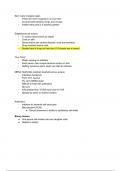
Benefits of Food Science
What is food science?
- Food science is the study of the substances we eat, their makeup and
the processes used to alter them.
2 reasons substances are altered in food science:
- To improve taste or nutritional value
- To make them available longer for consumption
How does food science improve life quality?
- Food scientists discover new ways to process existing foods and
discover new types of food
- Food scientists research new processing methods for foods. These
methods deal with slowing the breakdown of foods, so they last longer
Food Breakdown
Deterioration: a natural process that results in the breakdown of a food into
different components
Preservation: a process that allows a food to be extended beyond its natural
life
Methods of preservation
- Heating- most effective
- Refrigeration and freezing- most common
- Drying- local elevators dry grain to extend life
- Fermentation- used in yogurt-making
- Irradiation- exposes food to radiation
- Food additives- adds chemicals to a food to extend life
Food Scientists
- Routinely experiment with new uses for existing foods. Example: the
process of soybean meal to add to the meat of hamburgers
- Food scientists also work to discover new plant and animal sources to
use as foods.
-
Food Domestication
, - A process by which a wild plant or animal is altered to become a
reliable food source
- Example: Catfish and other types of fish are now being grown through
aquaculture in a controlled environment
Food science better educates consumers
- Studying food science allows consumers to understand the basic
principles of different foods
Food preparation
- Foodborne illness- An illness that results from consuming improperly
stored or prepared food
- Microbes- The tiny organisms that grow in and on foods (E. coli,
salmonella)
Food Selection
Food scientists examine
- What people eat
- Why do people choose certain foods
Factors that influence food selection
1. Sensory
a. Two types of food evaluation
i. Sensory tests
ii. Objective tests
1. Laboratory equipment
b. Sensory
i. Sensory evaluation: measuring responses of people to food
products as perceived by their senses
ii. Descriptive tests
1. Describe how products differ in terms of sensory
properties
2. Visual
a.
3. Auditory
a. Hearing
i. Cracking sound or sizzling sounds on grill
4. Olfactory
a. Smell
Benefits of Food Science
What is food science?
- Food science is the study of the substances we eat, their makeup and
the processes used to alter them.
2 reasons substances are altered in food science:
- To improve taste or nutritional value
- To make them available longer for consumption
How does food science improve life quality?
- Food scientists discover new ways to process existing foods and
discover new types of food
- Food scientists research new processing methods for foods. These
methods deal with slowing the breakdown of foods, so they last longer
Food Breakdown
Deterioration: a natural process that results in the breakdown of a food into
different components
Preservation: a process that allows a food to be extended beyond its natural
life
Methods of preservation
- Heating- most effective
- Refrigeration and freezing- most common
- Drying- local elevators dry grain to extend life
- Fermentation- used in yogurt-making
- Irradiation- exposes food to radiation
- Food additives- adds chemicals to a food to extend life
Food Scientists
- Routinely experiment with new uses for existing foods. Example: the
process of soybean meal to add to the meat of hamburgers
- Food scientists also work to discover new plant and animal sources to
use as foods.
-
Food Domestication
, - A process by which a wild plant or animal is altered to become a
reliable food source
- Example: Catfish and other types of fish are now being grown through
aquaculture in a controlled environment
Food science better educates consumers
- Studying food science allows consumers to understand the basic
principles of different foods
Food preparation
- Foodborne illness- An illness that results from consuming improperly
stored or prepared food
- Microbes- The tiny organisms that grow in and on foods (E. coli,
salmonella)
Food Selection
Food scientists examine
- What people eat
- Why do people choose certain foods
Factors that influence food selection
1. Sensory
a. Two types of food evaluation
i. Sensory tests
ii. Objective tests
1. Laboratory equipment
b. Sensory
i. Sensory evaluation: measuring responses of people to food
products as perceived by their senses
ii. Descriptive tests
1. Describe how products differ in terms of sensory
properties
2. Visual
a.
3. Auditory
a. Hearing
i. Cracking sound or sizzling sounds on grill
4. Olfactory
a. Smell