Week 2 Global Conflicts Unit 7 | 1900-2001 CE
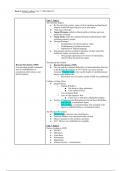
Unit 7, Topic 1
The Ottoman Empire
● By the end of the century, many of their maritime and land-based
empires would fall apart and give rise to new states
● “Sick man of Europe”
● Young Ottomans called for liberal political reforms and were
politically-reformed
● Young Turks called for complete Ottoman modernization while
excluding minority groups
● Ottoman Reforms
○ Secularization of schools and law codes
○ Establishment of political elections
○ Imposition of Turkish language
● Nationalistic policies resulted in alienation of other minorities
within the empire, not least the Arabs
○ Own groups experienced own waves of nationalism,
which further fractured the empire
The Russian Revolution
Russian Revolution (1905): ● Russian Revolution (1905)
Accommodate people’s demands ● The war and the continued difficulties of industrialization then led
such as establishment of to the Russian Revolution of 1917 which was led by marxist
constitution, labor unions, and visionary Vladimir Lenin, who was the leader of a political group
political parties known as the Bolsheviks
○ Revolution was successful, and the USSR was established
Collapse of Qing China
● Qing Problems
○ Taiping Rebellion
■ Put down by Qing authorities
■ Cost million of lives
○ Loss of Opium Wars
○ Loss of Sino-Japanese War
■ China was no match for industrialized Japan
● Society of Righteous and Harmonious Fists led Boxer Rebellion
○ Sun Yat-sen, a nationalistic figure
○ Mao Zedong, a communist figure who emerged as the
figure to establish China as a communist nation
The Mexican Revolution
● Profirio Diaz, a dictator who ruled Mexico
● Francisco Madero was assassinated after elected
● Massive peasant revolts, protests, and more
● 1917: Mexico was established as a republic
Unit 7, Topic 2
Factors Leading to WWI
● MANIA
● Militarism
● Arms Race
● Nationalism
● Imperialism
● Alliance System + Assassination
, Week 2 Global Conflicts Unit 7 | 1900-2001 CE
Militarism
● Produce deadly military weapons quickly
Arms Race
● A build up of strong, deadly weapons being produced
● By World War I, technologies used:
○ Airplanes
○ Trench Warfare
○ Machine Guns
○ Zeppelins
○ U-Boats
○ Tanks
○ Heavy Artillery (“Big Bertha”)
○ Poisonous Gas
Alliances
● Triple Alliance Central Powers (Germany, Italy and
Austria-Hungary)
● Triple Entente Allied Powers (Britain, France, Russia, and later, the
United States)
● Isolate rival states
● Each devised mobilization plans in case of a war
Nationalism
● Nationalistic fervor convinced people that their national identities
were the most important thing, and were under threat by other rival
countries
● Nationalist movements within Austria-Hungary
○ Bosnian Serbs push for independence from
Austria-Hungary
Imperialism
● Most potent causes for imperialism was the desire to project power
on the world stage
Assassination
● Of Archduke Franz Ferdinand
● Nationalism prompted te assassination of the person from
Austria-Hungary
● Archduke and wife (Sophie) sent to Sarajevo
○ Serbian nationalist Gavrilo
○ Principe, assassinate the couple
Timeline
● 1915: Germany pursues “unrestricted submarine warfare”
● 1915: Sinking of the Lusitania; 124 Americans among the dead
● 1916: US Neutrality; Woodrow Wilson “He Kept Us Out of War”
● 1917: Germany restarts “unrestricted submarine warfare”
● February, 1917: Zimmermann Note intercepted by British
● April, 1917: Russia out of the war. “Treaty of Brest-Litovsk”
● March, 1918: Major German Assault on France
○ Second Battle of the Marne: US forces turn the tide of the
war
Unit 7, Topic 1
The Ottoman Empire
● By the end of the century, many of their maritime and land-based
empires would fall apart and give rise to new states
● “Sick man of Europe”
● Young Ottomans called for liberal political reforms and were
politically-reformed
● Young Turks called for complete Ottoman modernization while
excluding minority groups
● Ottoman Reforms
○ Secularization of schools and law codes
○ Establishment of political elections
○ Imposition of Turkish language
● Nationalistic policies resulted in alienation of other minorities
within the empire, not least the Arabs
○ Own groups experienced own waves of nationalism,
which further fractured the empire
The Russian Revolution
Russian Revolution (1905): ● Russian Revolution (1905)
Accommodate people’s demands ● The war and the continued difficulties of industrialization then led
such as establishment of to the Russian Revolution of 1917 which was led by marxist
constitution, labor unions, and visionary Vladimir Lenin, who was the leader of a political group
political parties known as the Bolsheviks
○ Revolution was successful, and the USSR was established
Collapse of Qing China
● Qing Problems
○ Taiping Rebellion
■ Put down by Qing authorities
■ Cost million of lives
○ Loss of Opium Wars
○ Loss of Sino-Japanese War
■ China was no match for industrialized Japan
● Society of Righteous and Harmonious Fists led Boxer Rebellion
○ Sun Yat-sen, a nationalistic figure
○ Mao Zedong, a communist figure who emerged as the
figure to establish China as a communist nation
The Mexican Revolution
● Profirio Diaz, a dictator who ruled Mexico
● Francisco Madero was assassinated after elected
● Massive peasant revolts, protests, and more
● 1917: Mexico was established as a republic
Unit 7, Topic 2
Factors Leading to WWI
● MANIA
● Militarism
● Arms Race
● Nationalism
● Imperialism
● Alliance System + Assassination
, Week 2 Global Conflicts Unit 7 | 1900-2001 CE
Militarism
● Produce deadly military weapons quickly
Arms Race
● A build up of strong, deadly weapons being produced
● By World War I, technologies used:
○ Airplanes
○ Trench Warfare
○ Machine Guns
○ Zeppelins
○ U-Boats
○ Tanks
○ Heavy Artillery (“Big Bertha”)
○ Poisonous Gas
Alliances
● Triple Alliance Central Powers (Germany, Italy and
Austria-Hungary)
● Triple Entente Allied Powers (Britain, France, Russia, and later, the
United States)
● Isolate rival states
● Each devised mobilization plans in case of a war
Nationalism
● Nationalistic fervor convinced people that their national identities
were the most important thing, and were under threat by other rival
countries
● Nationalist movements within Austria-Hungary
○ Bosnian Serbs push for independence from
Austria-Hungary
Imperialism
● Most potent causes for imperialism was the desire to project power
on the world stage
Assassination
● Of Archduke Franz Ferdinand
● Nationalism prompted te assassination of the person from
Austria-Hungary
● Archduke and wife (Sophie) sent to Sarajevo
○ Serbian nationalist Gavrilo
○ Principe, assassinate the couple
Timeline
● 1915: Germany pursues “unrestricted submarine warfare”
● 1915: Sinking of the Lusitania; 124 Americans among the dead
● 1916: US Neutrality; Woodrow Wilson “He Kept Us Out of War”
● 1917: Germany restarts “unrestricted submarine warfare”
● February, 1917: Zimmermann Note intercepted by British
● April, 1917: Russia out of the war. “Treaty of Brest-Litovsk”
● March, 1918: Major German Assault on France
○ Second Battle of the Marne: US forces turn the tide of the
war