Fundamentals of Nursing, 2nd Edition – Active Learning for
Collaborative Practice by Yoost & Crawford
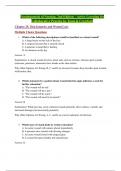
Chapter 29: Skin Integrity and Wound Care
Multiple Choice Questions
1. Which of the following descriptions would be classified as a closed wound?
A. A large bruise on the side of the face
B. A surgical incision that is sutured closed
C. A puncture wound that is healing
D. An abrasion on the leg
Answer: A
Explanation: A closed wound involves intact skin, such as a bruise, whereas open wounds
(incisions, punctures, abrasions) have breaks in the skin surface.
Why Other Options Are Wrong: B, C, and D are incorrect because they describe open wounds
with broken skin.
2. Which statement by a patient about wound infection signs indicates a need for
further education?
A. "The wound will be red."
B. "The wound will have pus."
C. "The wound will be warm."
D. "The wound will need to be treated."
Answer: B
Explanation: While pus may occur, infected wounds primarily show redness, warmth, and
increased drainage (not necessarily purulent).
Why Other Options Are Wrong: A, C, and D are correct indicators of infection.
3. Which type of wound heals by tertiary intention?
A. An acute wound with sutures placed immediately
B. A pressure ulcer treated with dressing changes
C. An acute wound closed with surgical glue
D. A wound left open initially and sutured later
Answer: D
, Explanation: Tertiary intention involves delayed closure after initial left-open management.
Why Other Options Are Wrong: A heals by primary intention; B by secondary; C by primary.
4. A postoperative abdominal surgery patient reports a "popping sensation" and wet
dressing. What complication should the nurse suspect?
A. Wound infection
B. Loose stitches
C. Wound dehiscence
D. Wound crepitus
Answer: C
Explanation: Dehiscence involves tissue layer separation, often with a popping sensation and
drainage.
Why Other Options Are Wrong: A lacks popping; B doesn’t cause wetness; D involves air under
skin.
5. What should the nurse do first for a postoperative patient with complete wound
evisceration?
A. Cover with dry sterile gauze
B. Apply a transparent dressing
C. Press on the wound with gauze
D. Cover with saline-soaked gauze
Answer: D
Explanation: Moist saline gauze prevents drying and further complications until surgical
intervention.
Why Other Options Are Wrong: A can dry the wound; B is for debridement; C may worsen
injury.
6. What is the most appropriate goal for a stage 3 pressure ulcer with the diagnosis
Impaired skin integrity?
A. Heal completely in 72 hours
B. Show healing signs within 2 weeks
C. Prevent new pressure ulcers
D. Ambulate twice daily
Collaborative Practice by Yoost & Crawford
Chapter 29: Skin Integrity and Wound Care
Multiple Choice Questions
1. Which of the following descriptions would be classified as a closed wound?
A. A large bruise on the side of the face
B. A surgical incision that is sutured closed
C. A puncture wound that is healing
D. An abrasion on the leg
Answer: A
Explanation: A closed wound involves intact skin, such as a bruise, whereas open wounds
(incisions, punctures, abrasions) have breaks in the skin surface.
Why Other Options Are Wrong: B, C, and D are incorrect because they describe open wounds
with broken skin.
2. Which statement by a patient about wound infection signs indicates a need for
further education?
A. "The wound will be red."
B. "The wound will have pus."
C. "The wound will be warm."
D. "The wound will need to be treated."
Answer: B
Explanation: While pus may occur, infected wounds primarily show redness, warmth, and
increased drainage (not necessarily purulent).
Why Other Options Are Wrong: A, C, and D are correct indicators of infection.
3. Which type of wound heals by tertiary intention?
A. An acute wound with sutures placed immediately
B. A pressure ulcer treated with dressing changes
C. An acute wound closed with surgical glue
D. A wound left open initially and sutured later
Answer: D
, Explanation: Tertiary intention involves delayed closure after initial left-open management.
Why Other Options Are Wrong: A heals by primary intention; B by secondary; C by primary.
4. A postoperative abdominal surgery patient reports a "popping sensation" and wet
dressing. What complication should the nurse suspect?
A. Wound infection
B. Loose stitches
C. Wound dehiscence
D. Wound crepitus
Answer: C
Explanation: Dehiscence involves tissue layer separation, often with a popping sensation and
drainage.
Why Other Options Are Wrong: A lacks popping; B doesn’t cause wetness; D involves air under
skin.
5. What should the nurse do first for a postoperative patient with complete wound
evisceration?
A. Cover with dry sterile gauze
B. Apply a transparent dressing
C. Press on the wound with gauze
D. Cover with saline-soaked gauze
Answer: D
Explanation: Moist saline gauze prevents drying and further complications until surgical
intervention.
Why Other Options Are Wrong: A can dry the wound; B is for debridement; C may worsen
injury.
6. What is the most appropriate goal for a stage 3 pressure ulcer with the diagnosis
Impaired skin integrity?
A. Heal completely in 72 hours
B. Show healing signs within 2 weeks
C. Prevent new pressure ulcers
D. Ambulate twice daily