Science class 8 [NCERT]
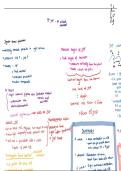
sound
ANSWER Sound is defined as vibrations that travel through the air or another medium as an
audible mechanical wave. It is produced from a vibrating body. The vibrating body causes the
medium (water, air, etc.) around it to vibrate thus producing sound.
vibration
ANSWER the to and fro or back and forth motion of an object is called vibration.
Note
ANSWER when we pluck the string of an instrument, like sitar, the sound that we hear is not
only that of the string. The whole instrument is forced to vibrate, and it the sound of the
vibration of the instrument that we hear. Similarly, when we strike the membrane of a
mridangam, the sound we hear is not only that of the membrane but the whole body of the
instrument.
When we speak, does any part of our body vibrate?
ANSWER ANSWER: In humans, the sound is produced by the voice box or larynx It is at the
upper end of the windpipe. Two vocal cords are stretched across the voice box in a way that it
leaves a narrow slit between them for passage of air. When the lungs force air through the slit,
the vocal cords vibrate, producing sound.
When vocal cords are tight and thin then the quality/ type of voice is different
ANSWER Length of vocal cord in-
Men=20mm
Women= 15mm
Children have very short vocal cords
Sound requires a medium
sound
ANSWER Sound is defined as vibrations that travel through the air or another medium as an
audible mechanical wave. It is produced from a vibrating body. The vibrating body causes the
medium (water, air, etc.) around it to vibrate thus producing sound.
vibration
ANSWER the to and fro or back and forth motion of an object is called vibration.
Note
ANSWER when we pluck the string of an instrument, like sitar, the sound that we hear is not
only that of the string. The whole instrument is forced to vibrate, and it the sound of the
vibration of the instrument that we hear. Similarly, when we strike the membrane of a
mridangam, the sound we hear is not only that of the membrane but the whole body of the
instrument.
When we speak, does any part of our body vibrate?
ANSWER ANSWER: In humans, the sound is produced by the voice box or larynx It is at the
upper end of the windpipe. Two vocal cords are stretched across the voice box in a way that it
leaves a narrow slit between them for passage of air. When the lungs force air through the slit,
the vocal cords vibrate, producing sound.
When vocal cords are tight and thin then the quality/ type of voice is different
ANSWER Length of vocal cord in-
Men=20mm
Women= 15mm
Children have very short vocal cords
Sound requires a medium