Stuvia.com - The Marketplace to Buy and Sell your Study Material
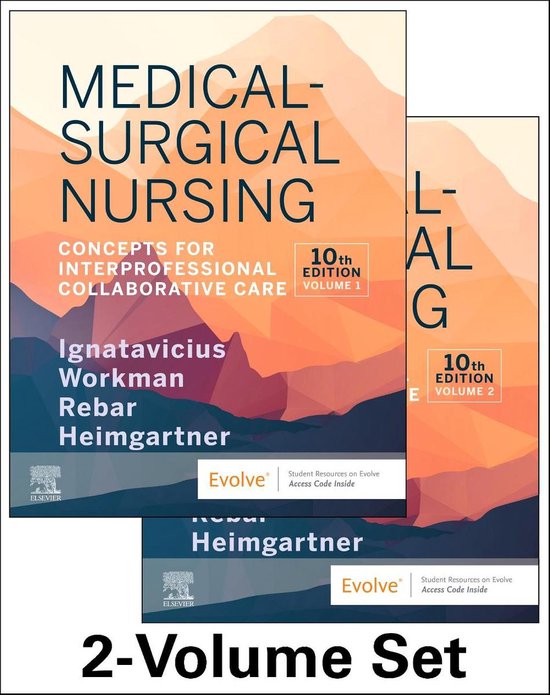
TEST BANK FOR
MEDICAL SURGICAL :CONCEPTS
FOR INTERPROFFESSIONAL
COLLABORATIVE CARE 9TH
EDITION IGNATAVICIUS
Downloaded by: PASSGRADES |
Distribution of this document is illegal
, lOMoAR cPSD| 60 78199
Test Bank - Medical-SurgicalSN
tuu
viras.cin
og
m: - C
Toh enc
Meaprktestpflo
a cr eIn
toteBrupyraonfe
d sSseilo
l ynoaulr C
S touldlya b
Moarteeartiiavl e Care 9e
1
Chapter 01: Overview of Professional Nursing Concepts for Medical-
Surgical Nursing
MULTIPLE CHOICE
1. A nurse wishes to provide client-centered care in all interactions. Which action by the nurse
best demonstrates this concept?
a. Assesses for cultural influences affecting health care
b. Ensures that all the clients basic needs are met
c. Tells the client and family about all upcoming tests
d. Thoroughly orients the client and family to the room
ANS: A
Competency in client-focused care is demonstrated when the nursefocuses on communication, culture,
respect compassion, client education, and empowerment. By assessing the effect of the clients culture on
health care, this nurse is practicing client-focused care. Providing for basic needs does not demonstrate this
competence. Simply telling the client about all upcoming tests is not providing empowering education.
Orienting the client andfamily to theroom is animportantsafetymeasure,
butnotdirectlyrelatedtodemonstratingclient-centered care.
DIF: Understanding/Comprehension REF: 3
KEY: Patient-centered care| culture MSC: Integrated Process: Caring
NOT: Client Needs Category: Psychosocial Integrity
2. A nurse is caring for a postoperative client on the surgical unit. The clients blood pressure was 142/76
mm Hg 30 minutes ago, and now is 88/50 mm Hg. What action by the nurse isbest?
a. Call the Rapid Response Team.
b. Document and continue to monitor.
c. Notify the primary care provider.
d. Repeat blood pressure measurement in 15 minutes.
ANS: A
The purpose of the Rapid Response Team (RRT) is to intervene when clients are deteriorating before they
suffereitherrespiratoryorcardiacarrest. Sincetheclienthasmanifestedasignificantchange, thenurseshould
call the RRT. Changes in blood pressure, mental status, heart rate, and pain are particularly significant.
Documentation is vital, but the nursemust do more than document. The primary care provider
should be notified, but this is not the priority over calling the RRT. The clients blood pressure should
be reassessed frequently, but the priority is getting the rapid care to theclient.
DIF: Applying/Application REF: 3
KEY: Rapid Response Team (RRT)| medical emergencies
MSC: Integrated Process: Communication and Documentation
NOT: Client Needs Category: Physiological Integrity: Physiological Adaptation
3. A nurse is orienting a new client and family to the inpatient unit. What information does the nurse
provide to help the client promote his or her own safety?
a. Encourage the client and family to be active partners.
b. Have the client monitor hand hygiene in caregivers.
c. Offer the family the opportunity to stay with the client.
d. Tell the client to always wear his or her armband.
ANS: A
Each action could be important for the client or family to perform. However, encouraging the client to be
active in his or her health care as a partner is the most critical. The other actions are very limited in
scope and do not provide the broad protection that being active and involveddoes.
DIF: Understanding/Comprehension REF: 3
KEY: Patient safety
Downloaded by: PASSGRADES |
Distribution of this document is illegal
, lOMoAR cPSD| 60 78199
Stuvia.com - TThhee Marketplace too B u y aanndd Sell yyoouur Study Material
Test Bank - Medical-Surgical Nursing: Concepts for Interprofessional Collaborative Care 9e 2
MSC: Integrated Process: Teaching/Learning
NOT: Client Needs Category: Safe and Effective Care Environment: Safety and Infection Control
4. A new nurse is working with a preceptor on an inpatientmedical-surgical unit. The preceptor advises
the student that which is the priority when working as a professionalnurse?
a. Attending to holistic client needs
b. Ensuring client safety
c. Not making medication errors
d. Providing client-focused care
ANS: B
All actions are appropriate for the professional nurse. However, ensuring client safety is the priority. Up to
98,000 deaths result each year from errors in hospital care, according to the 2000 Institute of Medicine
report. Many more clients have suffered injuries and less serious outcomes. Every nurse has the
responsibility to guard the clients safety.
DIF: Understanding/Comprehension REF: 2
KEY: Patient safety
MSC: Integrated Process: Nursing Process: Intervention
NOT: Client Needs Category: Safe and Effective Care Environment: Safety and Infection Control
5. A pclient pis pgoing pto pbe padmitted pfor pa pscheduled psurgical pprocedure. pWhich paction
pdoes pthe pnurse pexplain pis pthe pmost pimportant pthing pthe pclient pcan pdo pto pprotect
pagainsterrors?
a. Bring pa plist pof pall pmedications pand pwhat pthey pare pfor.
b. Keep pthe pdoctors pphone pnumber pby pthe ptelephone.
c. Make psure pall pproviders pwash phands pbefore pentering pthe proom.
d. Write pdown pthe pname pof peach pcaregiver pwho pcomes pin pthe proom.
ANS: pA
Medication perrors pare pthe pmost pcommon ptype pof phealth pcare pmistake. pThe pJoint pCommissions pSpeak
pUp pcampaign pencourages pclients pto phelp pensure ptheir psafety. pOne precommendation pis pfor pclients pto
pknow pall ptheir pmedications pand pwhy pthey ptake pthem. pThis pwill phelp pprevent pmedication perrors.
DIF: pApplying/Application pREF: p4
KEY: pSpeak pUp pcampaign| ppatient psafety pMSC: pIntegrated pProcess: pTeaching/Learning
NOT: pClient pNeeds pCategory: pSafe pand pEffective pCare pEnvironment: pSafety pand pInfection pControl
6. Which paction pby pthe pnurse pworking pwith pa pclient pbest pdemonstrates prespect pfor pautonomy?
a. Asks pif pthe pclient phas pquestions pbefore psigning pa pconsent
b. Gives pthe pclient paccurate pinformation pwhen pquestioned
c. Keeps pthe ppromises pmade pto pthe pclient pand pfamily
d. Treats pthe pclient pfairly pcompared pto pother pclients
ANS: pA
Autonomy pis pself-determination. pThe pclient pshould pmake pdecisions pregarding pcare. pWhen pthe
pnurseobtainsa psignature pon pthe pconsent pform, passessing pif pthe pclient pstill phas pquestions pis pvital,
pbecause pwithout pfull pinformation pthe pclient pcannot ppractice pautonomy. pGiving paccurate
pinformation pis ppracticing pwith pveracity. pKeeping ppromises pis pupholding pfidelity. pTreating pthe
pclient pfairly pis pproviding psocial pjustice.
DIF: pApplying/Application pREF: p4
KEY: pAutonomy| pethical pprinciples pMSC: pIntegrated pProcess: pCaring
NOT: pClient pNeeds pCategory: pSafe pand pEffective pCare pEnvironment: pManagement pof pCare
7. A pstudent pnurse pasks pthe pfaculty pto pexplain pbest ppractices pwhen pcommunicating pwith pa
pperson pfrom pthe plesbian, pgay, pbisexual, ptransgender, pandqueer/questioning p(LGBTQ) pcommunity.
pWhatanswerbythe pfaculty pis pmost paccurate?
a. Avoid pembarrassing pthe pclient pby pasking pquestions.
b. Dont pmake passumptions pabout ptheir phealth pneeds.
c. Most pLGBTQ ppeople pdo pnot pwant pto pshare pinformation.
Distribution oof thhis d o c u m e n t is ileeggaal
, lOMoAR cPSD| 60 78199
Stuvia.com - TThhee Marketplace too B u y aanndd Sell yyoouur Study Material
Test Bank - Medical-Surgical Nursing: Concepts for Interprofessional Collaborative Care 9e 3
DoDwonwlonalodaeddedbyb:yP:pA
ruSbSriG
cgRuAruDE
| pH
Su|scslienitnownhwoasnajn
alea@
4@
gm
gm
aila.cil.ocm
om
Distribution oof thhis d o c u m e n t is ileeggaal
TEST BANK FOR
MEDICAL SURGICAL :CONCEPTS
FOR INTERPROFFESSIONAL
COLLABORATIVE CARE 9TH
EDITION IGNATAVICIUS
Downloaded by: PASSGRADES |
Distribution of this document is illegal
, lOMoAR cPSD| 60 78199
Test Bank - Medical-SurgicalSN
tuu
viras.cin
og
m: - C
Toh enc
Meaprktestpflo
a cr eIn
toteBrupyraonfe
d sSseilo
l ynoaulr C
S touldlya b
Moarteeartiiavl e Care 9e
1
Chapter 01: Overview of Professional Nursing Concepts for Medical-
Surgical Nursing
MULTIPLE CHOICE
1. A nurse wishes to provide client-centered care in all interactions. Which action by the nurse
best demonstrates this concept?
a. Assesses for cultural influences affecting health care
b. Ensures that all the clients basic needs are met
c. Tells the client and family about all upcoming tests
d. Thoroughly orients the client and family to the room
ANS: A
Competency in client-focused care is demonstrated when the nursefocuses on communication, culture,
respect compassion, client education, and empowerment. By assessing the effect of the clients culture on
health care, this nurse is practicing client-focused care. Providing for basic needs does not demonstrate this
competence. Simply telling the client about all upcoming tests is not providing empowering education.
Orienting the client andfamily to theroom is animportantsafetymeasure,
butnotdirectlyrelatedtodemonstratingclient-centered care.
DIF: Understanding/Comprehension REF: 3
KEY: Patient-centered care| culture MSC: Integrated Process: Caring
NOT: Client Needs Category: Psychosocial Integrity
2. A nurse is caring for a postoperative client on the surgical unit. The clients blood pressure was 142/76
mm Hg 30 minutes ago, and now is 88/50 mm Hg. What action by the nurse isbest?
a. Call the Rapid Response Team.
b. Document and continue to monitor.
c. Notify the primary care provider.
d. Repeat blood pressure measurement in 15 minutes.
ANS: A
The purpose of the Rapid Response Team (RRT) is to intervene when clients are deteriorating before they
suffereitherrespiratoryorcardiacarrest. Sincetheclienthasmanifestedasignificantchange, thenurseshould
call the RRT. Changes in blood pressure, mental status, heart rate, and pain are particularly significant.
Documentation is vital, but the nursemust do more than document. The primary care provider
should be notified, but this is not the priority over calling the RRT. The clients blood pressure should
be reassessed frequently, but the priority is getting the rapid care to theclient.
DIF: Applying/Application REF: 3
KEY: Rapid Response Team (RRT)| medical emergencies
MSC: Integrated Process: Communication and Documentation
NOT: Client Needs Category: Physiological Integrity: Physiological Adaptation
3. A nurse is orienting a new client and family to the inpatient unit. What information does the nurse
provide to help the client promote his or her own safety?
a. Encourage the client and family to be active partners.
b. Have the client monitor hand hygiene in caregivers.
c. Offer the family the opportunity to stay with the client.
d. Tell the client to always wear his or her armband.
ANS: A
Each action could be important for the client or family to perform. However, encouraging the client to be
active in his or her health care as a partner is the most critical. The other actions are very limited in
scope and do not provide the broad protection that being active and involveddoes.
DIF: Understanding/Comprehension REF: 3
KEY: Patient safety
Downloaded by: PASSGRADES |
Distribution of this document is illegal
, lOMoAR cPSD| 60 78199
Stuvia.com - TThhee Marketplace too B u y aanndd Sell yyoouur Study Material
Test Bank - Medical-Surgical Nursing: Concepts for Interprofessional Collaborative Care 9e 2
MSC: Integrated Process: Teaching/Learning
NOT: Client Needs Category: Safe and Effective Care Environment: Safety and Infection Control
4. A new nurse is working with a preceptor on an inpatientmedical-surgical unit. The preceptor advises
the student that which is the priority when working as a professionalnurse?
a. Attending to holistic client needs
b. Ensuring client safety
c. Not making medication errors
d. Providing client-focused care
ANS: B
All actions are appropriate for the professional nurse. However, ensuring client safety is the priority. Up to
98,000 deaths result each year from errors in hospital care, according to the 2000 Institute of Medicine
report. Many more clients have suffered injuries and less serious outcomes. Every nurse has the
responsibility to guard the clients safety.
DIF: Understanding/Comprehension REF: 2
KEY: Patient safety
MSC: Integrated Process: Nursing Process: Intervention
NOT: Client Needs Category: Safe and Effective Care Environment: Safety and Infection Control
5. A pclient pis pgoing pto pbe padmitted pfor pa pscheduled psurgical pprocedure. pWhich paction
pdoes pthe pnurse pexplain pis pthe pmost pimportant pthing pthe pclient pcan pdo pto pprotect
pagainsterrors?
a. Bring pa plist pof pall pmedications pand pwhat pthey pare pfor.
b. Keep pthe pdoctors pphone pnumber pby pthe ptelephone.
c. Make psure pall pproviders pwash phands pbefore pentering pthe proom.
d. Write pdown pthe pname pof peach pcaregiver pwho pcomes pin pthe proom.
ANS: pA
Medication perrors pare pthe pmost pcommon ptype pof phealth pcare pmistake. pThe pJoint pCommissions pSpeak
pUp pcampaign pencourages pclients pto phelp pensure ptheir psafety. pOne precommendation pis pfor pclients pto
pknow pall ptheir pmedications pand pwhy pthey ptake pthem. pThis pwill phelp pprevent pmedication perrors.
DIF: pApplying/Application pREF: p4
KEY: pSpeak pUp pcampaign| ppatient psafety pMSC: pIntegrated pProcess: pTeaching/Learning
NOT: pClient pNeeds pCategory: pSafe pand pEffective pCare pEnvironment: pSafety pand pInfection pControl
6. Which paction pby pthe pnurse pworking pwith pa pclient pbest pdemonstrates prespect pfor pautonomy?
a. Asks pif pthe pclient phas pquestions pbefore psigning pa pconsent
b. Gives pthe pclient paccurate pinformation pwhen pquestioned
c. Keeps pthe ppromises pmade pto pthe pclient pand pfamily
d. Treats pthe pclient pfairly pcompared pto pother pclients
ANS: pA
Autonomy pis pself-determination. pThe pclient pshould pmake pdecisions pregarding pcare. pWhen pthe
pnurseobtainsa psignature pon pthe pconsent pform, passessing pif pthe pclient pstill phas pquestions pis pvital,
pbecause pwithout pfull pinformation pthe pclient pcannot ppractice pautonomy. pGiving paccurate
pinformation pis ppracticing pwith pveracity. pKeeping ppromises pis pupholding pfidelity. pTreating pthe
pclient pfairly pis pproviding psocial pjustice.
DIF: pApplying/Application pREF: p4
KEY: pAutonomy| pethical pprinciples pMSC: pIntegrated pProcess: pCaring
NOT: pClient pNeeds pCategory: pSafe pand pEffective pCare pEnvironment: pManagement pof pCare
7. A pstudent pnurse pasks pthe pfaculty pto pexplain pbest ppractices pwhen pcommunicating pwith pa
pperson pfrom pthe plesbian, pgay, pbisexual, ptransgender, pandqueer/questioning p(LGBTQ) pcommunity.
pWhatanswerbythe pfaculty pis pmost paccurate?
a. Avoid pembarrassing pthe pclient pby pasking pquestions.
b. Dont pmake passumptions pabout ptheir phealth pneeds.
c. Most pLGBTQ ppeople pdo pnot pwant pto pshare pinformation.
Distribution oof thhis d o c u m e n t is ileeggaal
, lOMoAR cPSD| 60 78199
Stuvia.com - TThhee Marketplace too B u y aanndd Sell yyoouur Study Material
Test Bank - Medical-Surgical Nursing: Concepts for Interprofessional Collaborative Care 9e 3
DoDwonwlonalodaeddedbyb:yP:pA
ruSbSriG
cgRuAruDE
| pH
Su|scslienitnownhwoasnajn
alea@
4@
gm
gm
aila.cil.ocm
om
Distribution oof thhis d o c u m e n t is ileeggaal