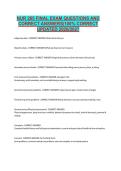
NUR 2755 Multidimensional Care IV MDC 4 Rasmussen Il Il Il Il Il Il Il Il Il
Exam 22 2025/26 Il Il Il Il Il
Il
What does Maslow believe about the hierarchy of needs? - a person could not meet the needs of
Il Il Il Il Il Il Il Il Il Il Il Il Il Il Il Il Il Il
Il
love and belonging and self-esteem without meeting basic physiological needs .
Il
Il Il Il Il Il Il Il Il Il Il
herbal supplements & their usage - Ginko Biloba: Depression, memory
Il Il Il Il Il Il Il Il Il Il
Ginseng: depression Il Il
Kava: Depression, anxiety Il Il Il
Echinacea: common cold Il Il Il
Chamomile: calming and soothing properties. Il Il Il Il Il
Goldenseal: Stimulates immune system and bile secretion Il Il Il Il Il Il Il
Melatonin: sleep
Il
Il Il
Kava - Herbal Antianxiety Agent and Depression
Il
Il Il Il Il Il Il Il
Name the pain scales - 1-10 Il Il Il Il Il Il
FACES Il
FLACC Il
CRIES
Il
Il
FLACC pain scale - F:face Il Il Il Il Il
L:legs Il
A:activity Il
C:cry Il
C:consolability
Il
Il
Things to know about pain assessment - PQRST Il Il Il Il Il Il Il
Il
If treatment works
Il Il
Il
It's subjective
Il
Il
Ginko Biloba - Depression and memory (dementia)
Il
Il Il Il Il Il Il Il
Ginseng - fatigue and depression
Il
Il Il Il Il Il
Echinacea - common cold
Il
Il Il Il Il
Goldenseal - Stimulates immune system and bile secretion
Il
Il Il Il Il Il Il Il Il
Chamomile - calming and soothing properties.
Il
Il Il Il Il Il Il
Melatonin - sleep
Il
Il Il Il
When dealing with maslow hierarchy of needs, what is done first? - ABCs!!
Il
Il Il Il Il Il Il Il Il Il Il Il Il Il
Maslow Hierarchy of needs - Self-Actulaization, Esteem, Safety & Security, Love & Belonging,
Il Il Il Il Il Il Il Il Il Il Il Il Il
Il
& physiological
Il
Il
SelfActualization - Met when the person reaches maximum potential and acts in an unselfish Il Il Il Il Il Il Il Il Il Il Il Il Il Il
Il
manner.
Il
Examples of self actualization - (e.g., extent to which goals are achieved, role performance,
Il Il Il Il Il Il Il Il Il Il Il Il Il Il
Il
Personal growth, reaching one's highest potential)
Il
Il Il Il Il Il
,Catholic End-of-Life indviduals may be - brought to hospitalized patients by a priest, deacon, or
Il Il Il Il Il Il Il Il Il Il Il Il Il Il Il
Il
designated lay Eucharis- tic minister
Il
Il Il Il Il
A Roman Catholic who is seriously ill might - wish to receive the sacrament of anointing the
Il Il Il Il Il Il Il Il Il Il Il Il Il Il Il Il Il
Il
sick. (last rites)
Il
Il Il
Last Rites - Anointing of the Sick (Catholic)
Il
Il Il Il Il Il Il Il Il
Mormons follow a strict - health code, known as the Word of Wisdom
Il
Il Il Il Il Il Il Il Il Il Il Il Il Il
Word of Wisdom (Mormon Culture) - advises healthful living and pro- hibits the use of tea,
Il Il Il Il Il Il Il Il Il Il Il Il Il Il Il Il
Il
coffee, alcohol, and tobacco
Il
Il Il Il
Mormons believe in - life before and after death; thus, death repre- sents the passage into another
Il Il Il Il Il Il Il Il Il Il Il Il Il Il Il Il Il
Il
life phrase
Il
Il
(Mormon) Nurses may remove garments - before surgery, but it must at all times be consideredIl Il Il Il Il Il Il Il Il Il Il Il Il Il Il Il
Il
intensely private and be treated with respect
Il
Il Il Il Il Il Il
Mormons wear garments at all times except for - hygiene, elimination, or being intimate in
Il Il Il Il Il Il Il Il Il Il Il Il Il Il Il
Il
marriage
Il
Nursing Interventions to achieve self actualization - Provide art supplies
Il
Il Il Il Il Il Il Il Il Il Il
Esteem - Met when a person feels a sense of accomplishment and are recognized by others for
Il Il Il Il Il Il Il Il Il Il Il Il Il Il Il Il Il
Il
that achievement.
Il
Il
Esteem tier consists of? (Maslow Hierarchy of needs) - 1. Feeling of accomplishment
Il Il Il Il Il Il Il Il Il Il Il Il Il
2. Body image Il Il
3. Pride in achievements Il Il Il
4. Admiration from others
Il
Il Il Il
Self-Actualization tier consists of? (Maslow Hierarchy of needs) - 1. Achieving one's full Il Il Il Il Il Il Il Il Il Il Il Il Il
Il
potential Il
2. Extent to which goals are achieved
Il Il Il Il Il Il
Il
3. Role performance
Il
Il Il
Nursing Interventions to achieve esteem - Facilitating visits from loved ones
Il
Il Il Il Il Il Il Il Il Il Il Il
Safety and security - freedom from physical harm and feelings of fear and anxiety.
Il
Il Il Il Il Il Il Il Il Il Il Il Il Il Il
, Il
Safety and security tier consists of? (Maslow Hierarchy of needs)
Il
Il Il Il Il Il Il Il Il Il Il - 1. Protection from physical
Il Il Il Il
harm Il
2. Adequate shelter
Il Il
Il
3. Freedom from fear and anxiet y
Il Il Il
Il
Il Il
4. Safe from falls
Il Il Il
Il
5. Treatmen t
Il
Il
6. Side effects
Il Il
Il
7. The need for psychological securit y
Il
Il Il Il Il Il
Il Il
Physiological tier consists of (Maslow Hierarchy of needs) - -Air-Food
Il Il
Il Il Il Il Il Il Il Il
- Nutrition Il
-Water
Il Il
- Temperature regulation
Il Il
Il
- Elimination Il
-RestIl Il
- Sleep effects Il
Il
-Sex Il Il
- Physical Activit y
Il
Il
Il
- mobility assessment
Il
Il
Il
- Blood flow (perfusion) is necessary to meet other basic needs
Il
Il Il Il Il Il Il Il Il Il
Nursing Interventions to achieve safety and security - Prevent falls & Communicating concerns
Il
Il Il Il Il Il Il Il Il Il Il Il Il Il
Love and belonging - needs are met when the person seeks personal relationships with others.
Il
Il Il Il Il Il Il Il Il Il Il Il Il Il Il Il
Love/Belonging tier consists of? (Maslow Hierarchy of needs) - 1. Intimate relationship Il Il Il Il Il Il Il Il Il Il Il
Il
2. FriendsIl
Il
3. Social supports
Il
Il Il
Nursing Interventions to achieve love & belonging - Referring a patient to a support group
Il
Il Il Il Il Il Il Il Il Il Il Il Il Il Il Il
Physiological needs - are essential for maintenance of life
Il
Il Il Il Il Il Il Il Il Il
Examples of physiological needs - (e.g., oxygen, water, food, air, water, shelter, sleep and rest,
Il Il Il Il Il Il Il Il Il Il Il Il Il Il Il
Il
elimination, activity, temperature regulation)
Il
Il Il Il
Nursing Interventions to achieve physiological needs - 1. Helping patient to eat dinner
Il Il Il Il Il Il Il Il Il Il Il Il Il
Il Il
2.Changing a patients oxygen tank Il Il Il Il
Il
3.Ensure patient is getting enough rest
Il
Il Il Il Il Il
Basic physiological needs (needs that are essential for the maintenance of life) - Air, Food
Il Il Il Il Il Il Il Il Il Il Il Il Il Il Il
(Nutrition), water, temp regulation, elimination, rest (sleep effects), sex, physical activity Il Il Il Il Il Il Il Il Il Il Il
(mobility assessment), blood flow (perfusion) is necessary to meet other basic needs
Il
Il Il Il Il Il Il Il Il Il Il Il Il
One of the most critical nursing interventions the nurse has is the ability to monitor and interpret
Il Il Il Il Il Il Il Il Il Il Il Il Il Il Il Il Il
Il
the client's? - vital signs.
Il
Il Il Il Il
Interventions for elevated/decreased vitals - continue to monitor patient Il Il Il Il Il Il Il Il Il
Il
recheck vitals
Il
Il
Regulation or thermoregulation is determined using - the client's temperature.
Il
Il Il Il Il Il Il Il Il Il Il
Normal Temp - 96.4 to 99.5 degrees Fahrenheit
Il
Il Il Il Il Il Il Il Il
, Different methods temperature can be taken - Orally, Il Il Il Il Il Il Il Il Il
Axillary Il
Rectally Il
Temporal Artery Il Il
Tympanic
Il
Il
Hypothermia: - temperature below the normal range that may be related to exposure to a cold Il Il Il Il Il Il Il Il Il Il Il Il Il Il Il Il
Il
environment Il
-Temp lower than 95
Il
Il Il Il
Hypothermia Preventions - ii. Cover the pt with blankets iii. Use heating devices iv. Il Il Il Il Il Il Il Il Il Il Il Il Il
Increase room temp
Il Il Il Il
v. Infuse warm solutions Il Il Il
vi. Remove wet clothing
Il
Il Il Il
Hyperthermia - temperature above the normal range that may be related to exercise or exposure to Il Il Il Il Il Il Il Il Il Il Il Il Il Il Il
an abnormally hot environment -Temp is greather than 104 degrees
Il
Il
Il Il Il Il Il Il Il Il Il Il
What is perfusion? - Adequate arterial blood flow to the peripheral tissue.
Il
Il Il Il Il Il Il Il Il Il Il Il Il
What does peripheral and central perfusion relate to? - Peripheral=peripheral tissue
Il Il Il Il Il Il Il Il Il Il
Il
Central=major organs
Il
Il
Definition of pulse? - rhythmic expansion of an artery produced when a bolus of oxygenated Il Il Il Il Il Il Il Il Il Il Il Il Il Il Il
Il
blood is forced into it by contraction of the heart.
Il
Il Il Il Il Il Il Il Il Il
Bradycardia pulse rate - less than 60 bpm
Il
Il Il Il Il Il Il Il Il
Tachycardia pulse rate - beats higher than 100/min
Il
Il Il Il Il Il Il Il Il
Influences for pulses? - o Exercise Il Il Il Il Il Il
o Age o Gender o Anxiety Il Il Il Il Il
o Pain
Il
Il
Documentation for pulse? - o Rhythm - even tempo Il Il Il Il Il Il Il Il Il
o Strength (0-4+, absent, weak or thready, normal, strong, bounding) o Regular rhythm: 30 seconds Il Il Il Il Il Il Il Il Il Il Il Il Il
x 2- or 15-seconds x 4o Irregular rhythm (regular/irregular); full minute; apical.
Il Il Il Il Il Il Il Il Il Il Il Il Il
o •Amplitude is what is measured Il Il Il Il Il
o •Rate, rhythm (regular or irregular), and quality (strong, weak or bounding)
Il
Il Il Il Il Il Il Il Il Il Il Il
Quality of pulse - strong, weak or bounding
Il
Il Il Il Il Il Il Il Il
Strength of pulse - 0 = absent Il Il Il Il Il Il Il
1+ = thready or weak
Il Il Il Il Il
2+ = normal Il Il Il
3+ = strong Il Il Il
4+ = bounding
Il
Il Il Il
Rhythm of pulse - regular or irregular
Il
Il Il Il Il Il Il Il
Peripheral pulses (Normal, bradycardia, tachycardia) - - Normal= 60-100 beats per minute Il Il Il Il Il Il Il Il Il Il Il
Il
o Bradycardia = beats below 60/min
Il Il Il Il Il
Il
o Tachycardia= beats higher than 100/min
Il
Il Il Il Il Il
Exam 22 2025/26 Il Il Il Il Il
Il
What does Maslow believe about the hierarchy of needs? - a person could not meet the needs of
Il Il Il Il Il Il Il Il Il Il Il Il Il Il Il Il Il Il
Il
love and belonging and self-esteem without meeting basic physiological needs .
Il
Il Il Il Il Il Il Il Il Il Il
herbal supplements & their usage - Ginko Biloba: Depression, memory
Il Il Il Il Il Il Il Il Il Il
Ginseng: depression Il Il
Kava: Depression, anxiety Il Il Il
Echinacea: common cold Il Il Il
Chamomile: calming and soothing properties. Il Il Il Il Il
Goldenseal: Stimulates immune system and bile secretion Il Il Il Il Il Il Il
Melatonin: sleep
Il
Il Il
Kava - Herbal Antianxiety Agent and Depression
Il
Il Il Il Il Il Il Il
Name the pain scales - 1-10 Il Il Il Il Il Il
FACES Il
FLACC Il
CRIES
Il
Il
FLACC pain scale - F:face Il Il Il Il Il
L:legs Il
A:activity Il
C:cry Il
C:consolability
Il
Il
Things to know about pain assessment - PQRST Il Il Il Il Il Il Il
Il
If treatment works
Il Il
Il
It's subjective
Il
Il
Ginko Biloba - Depression and memory (dementia)
Il
Il Il Il Il Il Il Il
Ginseng - fatigue and depression
Il
Il Il Il Il Il
Echinacea - common cold
Il
Il Il Il Il
Goldenseal - Stimulates immune system and bile secretion
Il
Il Il Il Il Il Il Il Il
Chamomile - calming and soothing properties.
Il
Il Il Il Il Il Il
Melatonin - sleep
Il
Il Il Il
When dealing with maslow hierarchy of needs, what is done first? - ABCs!!
Il
Il Il Il Il Il Il Il Il Il Il Il Il Il
Maslow Hierarchy of needs - Self-Actulaization, Esteem, Safety & Security, Love & Belonging,
Il Il Il Il Il Il Il Il Il Il Il Il Il
Il
& physiological
Il
Il
SelfActualization - Met when the person reaches maximum potential and acts in an unselfish Il Il Il Il Il Il Il Il Il Il Il Il Il Il
Il
manner.
Il
Examples of self actualization - (e.g., extent to which goals are achieved, role performance,
Il Il Il Il Il Il Il Il Il Il Il Il Il Il
Il
Personal growth, reaching one's highest potential)
Il
Il Il Il Il Il
,Catholic End-of-Life indviduals may be - brought to hospitalized patients by a priest, deacon, or
Il Il Il Il Il Il Il Il Il Il Il Il Il Il Il
Il
designated lay Eucharis- tic minister
Il
Il Il Il Il
A Roman Catholic who is seriously ill might - wish to receive the sacrament of anointing the
Il Il Il Il Il Il Il Il Il Il Il Il Il Il Il Il Il
Il
sick. (last rites)
Il
Il Il
Last Rites - Anointing of the Sick (Catholic)
Il
Il Il Il Il Il Il Il Il
Mormons follow a strict - health code, known as the Word of Wisdom
Il
Il Il Il Il Il Il Il Il Il Il Il Il Il
Word of Wisdom (Mormon Culture) - advises healthful living and pro- hibits the use of tea,
Il Il Il Il Il Il Il Il Il Il Il Il Il Il Il Il
Il
coffee, alcohol, and tobacco
Il
Il Il Il
Mormons believe in - life before and after death; thus, death repre- sents the passage into another
Il Il Il Il Il Il Il Il Il Il Il Il Il Il Il Il Il
Il
life phrase
Il
Il
(Mormon) Nurses may remove garments - before surgery, but it must at all times be consideredIl Il Il Il Il Il Il Il Il Il Il Il Il Il Il Il
Il
intensely private and be treated with respect
Il
Il Il Il Il Il Il
Mormons wear garments at all times except for - hygiene, elimination, or being intimate in
Il Il Il Il Il Il Il Il Il Il Il Il Il Il Il
Il
marriage
Il
Nursing Interventions to achieve self actualization - Provide art supplies
Il
Il Il Il Il Il Il Il Il Il Il
Esteem - Met when a person feels a sense of accomplishment and are recognized by others for
Il Il Il Il Il Il Il Il Il Il Il Il Il Il Il Il Il
Il
that achievement.
Il
Il
Esteem tier consists of? (Maslow Hierarchy of needs) - 1. Feeling of accomplishment
Il Il Il Il Il Il Il Il Il Il Il Il Il
2. Body image Il Il
3. Pride in achievements Il Il Il
4. Admiration from others
Il
Il Il Il
Self-Actualization tier consists of? (Maslow Hierarchy of needs) - 1. Achieving one's full Il Il Il Il Il Il Il Il Il Il Il Il Il
Il
potential Il
2. Extent to which goals are achieved
Il Il Il Il Il Il
Il
3. Role performance
Il
Il Il
Nursing Interventions to achieve esteem - Facilitating visits from loved ones
Il
Il Il Il Il Il Il Il Il Il Il Il
Safety and security - freedom from physical harm and feelings of fear and anxiety.
Il
Il Il Il Il Il Il Il Il Il Il Il Il Il Il
, Il
Safety and security tier consists of? (Maslow Hierarchy of needs)
Il
Il Il Il Il Il Il Il Il Il Il - 1. Protection from physical
Il Il Il Il
harm Il
2. Adequate shelter
Il Il
Il
3. Freedom from fear and anxiet y
Il Il Il
Il
Il Il
4. Safe from falls
Il Il Il
Il
5. Treatmen t
Il
Il
6. Side effects
Il Il
Il
7. The need for psychological securit y
Il
Il Il Il Il Il
Il Il
Physiological tier consists of (Maslow Hierarchy of needs) - -Air-Food
Il Il
Il Il Il Il Il Il Il Il
- Nutrition Il
-Water
Il Il
- Temperature regulation
Il Il
Il
- Elimination Il
-RestIl Il
- Sleep effects Il
Il
-Sex Il Il
- Physical Activit y
Il
Il
Il
- mobility assessment
Il
Il
Il
- Blood flow (perfusion) is necessary to meet other basic needs
Il
Il Il Il Il Il Il Il Il Il
Nursing Interventions to achieve safety and security - Prevent falls & Communicating concerns
Il
Il Il Il Il Il Il Il Il Il Il Il Il Il
Love and belonging - needs are met when the person seeks personal relationships with others.
Il
Il Il Il Il Il Il Il Il Il Il Il Il Il Il Il
Love/Belonging tier consists of? (Maslow Hierarchy of needs) - 1. Intimate relationship Il Il Il Il Il Il Il Il Il Il Il
Il
2. FriendsIl
Il
3. Social supports
Il
Il Il
Nursing Interventions to achieve love & belonging - Referring a patient to a support group
Il
Il Il Il Il Il Il Il Il Il Il Il Il Il Il Il
Physiological needs - are essential for maintenance of life
Il
Il Il Il Il Il Il Il Il Il
Examples of physiological needs - (e.g., oxygen, water, food, air, water, shelter, sleep and rest,
Il Il Il Il Il Il Il Il Il Il Il Il Il Il Il
Il
elimination, activity, temperature regulation)
Il
Il Il Il
Nursing Interventions to achieve physiological needs - 1. Helping patient to eat dinner
Il Il Il Il Il Il Il Il Il Il Il Il Il
Il Il
2.Changing a patients oxygen tank Il Il Il Il
Il
3.Ensure patient is getting enough rest
Il
Il Il Il Il Il
Basic physiological needs (needs that are essential for the maintenance of life) - Air, Food
Il Il Il Il Il Il Il Il Il Il Il Il Il Il Il
(Nutrition), water, temp regulation, elimination, rest (sleep effects), sex, physical activity Il Il Il Il Il Il Il Il Il Il Il
(mobility assessment), blood flow (perfusion) is necessary to meet other basic needs
Il
Il Il Il Il Il Il Il Il Il Il Il Il
One of the most critical nursing interventions the nurse has is the ability to monitor and interpret
Il Il Il Il Il Il Il Il Il Il Il Il Il Il Il Il Il
Il
the client's? - vital signs.
Il
Il Il Il Il
Interventions for elevated/decreased vitals - continue to monitor patient Il Il Il Il Il Il Il Il Il
Il
recheck vitals
Il
Il
Regulation or thermoregulation is determined using - the client's temperature.
Il
Il Il Il Il Il Il Il Il Il Il
Normal Temp - 96.4 to 99.5 degrees Fahrenheit
Il
Il Il Il Il Il Il Il Il
, Different methods temperature can be taken - Orally, Il Il Il Il Il Il Il Il Il
Axillary Il
Rectally Il
Temporal Artery Il Il
Tympanic
Il
Il
Hypothermia: - temperature below the normal range that may be related to exposure to a cold Il Il Il Il Il Il Il Il Il Il Il Il Il Il Il Il
Il
environment Il
-Temp lower than 95
Il
Il Il Il
Hypothermia Preventions - ii. Cover the pt with blankets iii. Use heating devices iv. Il Il Il Il Il Il Il Il Il Il Il Il Il
Increase room temp
Il Il Il Il
v. Infuse warm solutions Il Il Il
vi. Remove wet clothing
Il
Il Il Il
Hyperthermia - temperature above the normal range that may be related to exercise or exposure to Il Il Il Il Il Il Il Il Il Il Il Il Il Il Il
an abnormally hot environment -Temp is greather than 104 degrees
Il
Il
Il Il Il Il Il Il Il Il Il Il
What is perfusion? - Adequate arterial blood flow to the peripheral tissue.
Il
Il Il Il Il Il Il Il Il Il Il Il Il
What does peripheral and central perfusion relate to? - Peripheral=peripheral tissue
Il Il Il Il Il Il Il Il Il Il
Il
Central=major organs
Il
Il
Definition of pulse? - rhythmic expansion of an artery produced when a bolus of oxygenated Il Il Il Il Il Il Il Il Il Il Il Il Il Il Il
Il
blood is forced into it by contraction of the heart.
Il
Il Il Il Il Il Il Il Il Il
Bradycardia pulse rate - less than 60 bpm
Il
Il Il Il Il Il Il Il Il
Tachycardia pulse rate - beats higher than 100/min
Il
Il Il Il Il Il Il Il Il
Influences for pulses? - o Exercise Il Il Il Il Il Il
o Age o Gender o Anxiety Il Il Il Il Il
o Pain
Il
Il
Documentation for pulse? - o Rhythm - even tempo Il Il Il Il Il Il Il Il Il
o Strength (0-4+, absent, weak or thready, normal, strong, bounding) o Regular rhythm: 30 seconds Il Il Il Il Il Il Il Il Il Il Il Il Il
x 2- or 15-seconds x 4o Irregular rhythm (regular/irregular); full minute; apical.
Il Il Il Il Il Il Il Il Il Il Il Il Il
o •Amplitude is what is measured Il Il Il Il Il
o •Rate, rhythm (regular or irregular), and quality (strong, weak or bounding)
Il
Il Il Il Il Il Il Il Il Il Il Il
Quality of pulse - strong, weak or bounding
Il
Il Il Il Il Il Il Il Il
Strength of pulse - 0 = absent Il Il Il Il Il Il Il
1+ = thready or weak
Il Il Il Il Il
2+ = normal Il Il Il
3+ = strong Il Il Il
4+ = bounding
Il
Il Il Il
Rhythm of pulse - regular or irregular
Il
Il Il Il Il Il Il Il
Peripheral pulses (Normal, bradycardia, tachycardia) - - Normal= 60-100 beats per minute Il Il Il Il Il Il Il Il Il Il Il
Il
o Bradycardia = beats below 60/min
Il Il Il Il Il
Il
o Tachycardia= beats higher than 100/min
Il
Il Il Il Il Il