1
Limits & Continuity
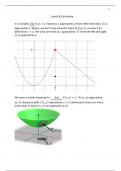
In 1 variable, lim 𝑓(𝑥) = 𝐿 meant as 𝑥 approaches 𝑎 from either direction, 𝑓(𝑥)
𝑥→𝑎
approaches 𝐿. Notice, we don’t care what the value of 𝑓(𝑎) is, or even if it’s
defined at 𝑥 = 𝑎. We only care that as 𝑥 approaches "𝑎" from the left and right,
𝑓(𝑥) approaches 𝐿.
𝐿
𝑎
We have a similar meaning for: lim 𝑓(𝑥, 𝑦) = 𝐿. As (𝑥, 𝑦) approaches
(𝑥,𝑦)→(𝑎,𝑏)
(𝑎, 𝑏) along any path, 𝑓(𝑥, 𝑦) approaches 𝐿. In 2 dimensions there are many
more ways in which (𝑥, 𝑦) can approach (𝑎, 𝑏).
(𝑎, 𝑏, 𝐿)
(𝑎, 𝑏)
, 2
Again, we don’t care what the value of 𝑓(𝑥, 𝑦) is at (𝑎, 𝑏), or even if it’s defined
there, only that as you approach (𝑎, 𝑏) along any path in the domain, 𝑓(𝑥, 𝑦)
approaches 𝐿.
For 1 variable, to have a limit we need: lim+ 𝑓(𝑥) = lim− 𝑓(𝑥); only 2 directions.
𝑥→𝑎 𝑥→𝑎
If lim+ 𝑓(𝑥) ≠ lim− 𝑓(𝑥), then the limit doesn’t exist.
𝑥→𝑎 𝑥→𝑎
𝑦 = 𝑓(𝑥)
lim 𝑓(𝑥) ≠ lim− 𝑓(𝑥)
𝑥→3+ 𝑥→3
For 𝑓(𝑥, 𝑦), the limit along all paths must exist and be the same number.
𝑥 2 −𝑦 2
Ex. Show lim doesn’t exist.
(𝑥,𝑦)→(0,0) 𝑥 2 +𝑦 2
0
Notice as (𝑥, 𝑦) → (0,0), that 𝑓(𝑥, 𝑦) → .
0
First, let’s approach (0,0) along the 𝑥-axis; i.e. along 𝑦 = 0.
𝑥2 −02
𝑓(𝑥, 0) = = 1 for all 𝑥 ≠ 0.
𝑥2 +02
So as (𝑥, 0) → (0,0), 𝑓(𝑥, 𝑦) → 1.
Now approach (0,0) along the 𝑦-axis; i.e. along 𝑥 = 0.
02 −𝑦2
𝑓 (0, 𝑦) = = −1 for all 𝑦 ≠ 0.
02 +𝑦2
So as (0, 𝑦) → (0,0), 𝑓(𝑥, 𝑦) → −1.
So 𝑓(𝑥, 𝑦) approaches different values along 2 different paths, hence it doesn’t
have a limit.
Limits & Continuity
In 1 variable, lim 𝑓(𝑥) = 𝐿 meant as 𝑥 approaches 𝑎 from either direction, 𝑓(𝑥)
𝑥→𝑎
approaches 𝐿. Notice, we don’t care what the value of 𝑓(𝑎) is, or even if it’s
defined at 𝑥 = 𝑎. We only care that as 𝑥 approaches "𝑎" from the left and right,
𝑓(𝑥) approaches 𝐿.
𝐿
𝑎
We have a similar meaning for: lim 𝑓(𝑥, 𝑦) = 𝐿. As (𝑥, 𝑦) approaches
(𝑥,𝑦)→(𝑎,𝑏)
(𝑎, 𝑏) along any path, 𝑓(𝑥, 𝑦) approaches 𝐿. In 2 dimensions there are many
more ways in which (𝑥, 𝑦) can approach (𝑎, 𝑏).
(𝑎, 𝑏, 𝐿)
(𝑎, 𝑏)
, 2
Again, we don’t care what the value of 𝑓(𝑥, 𝑦) is at (𝑎, 𝑏), or even if it’s defined
there, only that as you approach (𝑎, 𝑏) along any path in the domain, 𝑓(𝑥, 𝑦)
approaches 𝐿.
For 1 variable, to have a limit we need: lim+ 𝑓(𝑥) = lim− 𝑓(𝑥); only 2 directions.
𝑥→𝑎 𝑥→𝑎
If lim+ 𝑓(𝑥) ≠ lim− 𝑓(𝑥), then the limit doesn’t exist.
𝑥→𝑎 𝑥→𝑎
𝑦 = 𝑓(𝑥)
lim 𝑓(𝑥) ≠ lim− 𝑓(𝑥)
𝑥→3+ 𝑥→3
For 𝑓(𝑥, 𝑦), the limit along all paths must exist and be the same number.
𝑥 2 −𝑦 2
Ex. Show lim doesn’t exist.
(𝑥,𝑦)→(0,0) 𝑥 2 +𝑦 2
0
Notice as (𝑥, 𝑦) → (0,0), that 𝑓(𝑥, 𝑦) → .
0
First, let’s approach (0,0) along the 𝑥-axis; i.e. along 𝑦 = 0.
𝑥2 −02
𝑓(𝑥, 0) = = 1 for all 𝑥 ≠ 0.
𝑥2 +02
So as (𝑥, 0) → (0,0), 𝑓(𝑥, 𝑦) → 1.
Now approach (0,0) along the 𝑦-axis; i.e. along 𝑥 = 0.
02 −𝑦2
𝑓 (0, 𝑦) = = −1 for all 𝑦 ≠ 0.
02 +𝑦2
So as (0, 𝑦) → (0,0), 𝑓(𝑥, 𝑦) → −1.
So 𝑓(𝑥, 𝑦) approaches different values along 2 different paths, hence it doesn’t
have a limit.