CHAPTER 1
The Financial Reporting Environment
Solutions
Questions
Q1-
1 Financial information is a much broader concept than simply the financial statements and footnot
AJ AJ AJ AJ AJ AJ AJ AJ AJ AJ AJ AJ AJ AJ
es to the financial statements. Financial information includes items such as the President‘s letter to t
AJ AJ AJ AJ AJ AJ AJ AJ AJ AJ AJ AJ AJ AJ AJ
he owners, management‘s discussion and analysis, the auditors‘ report, the management report and
AJ AJ AJ AJ AJ AJ AJ AJ AJ AJ AJ AJ AJ
press releases. Of course, the basic financial statements and footnotes are included in the term finan
AJ AJ AJ AJ AJ AJ AJ AJ AJ AJ AJ AJ AJ AJ AJ
cial information. The basic financial statements are: the balance sheet (also referred to as the state
AJ AJ AJ AJ AJ AJ AJ AJ AJ AJ A J AJ AJ AJ AJ
ment of financial position), the statement of comprehensive income (also referred to as the stateme
AJ AJ AJ AJ AJ AJ AJ AJ AJ AJ AJ AJ AJ AJ
nt of net income and the statement of comprehensive income), the statement of cash flows, and the
AJ AJ AJ AJ AJ AJ AJ AJ AJ AJ AJ AJ AJ AJ AJ AJ AJ
statement of shareholders‘ equity. Financial information is not synonymous with the term financial
AJ AJ AJ AJ AJ AJ AJ AJ AJ AJ AJ AJ
statements because the financial statements are a subset of the different types of financial informat
AJ AJ AJ AJ AJ AJ AJ AJ AJ AJ AJ AJ AJ AJ AJ
ion provided. AJ
Q1-
2 The purpose of generating financial statements is to provide useful information to users to evaluat
AJ AJ AJ AJ AJ AJ AJ AJ AJ AJ AJ AJ AJ AJ AJ
e economic entities and make efficient resource allocation decisions based on the risks and returns
AJ AJ AJ AJ AJ AJ AJ AJ AJ AJ AJ AJ AJ AJ AJ
of a particular investment. The Financial Accounting Standards Board (FASB) identifies investors
AJ AJ AJ AJ AJ AJ AJ AJ AJ AJ AJ
, lenders and other creditors as the primary users of the financial statements. The financial stateme
AJ AJ AJ AJ AJ AJ AJ AJ AJ AJ AJ AJ AJ AJ AJ
nts are the culmination of the financial reporting process.
AJ AJ AJ AJ AJ AJ AJ AJ
Q1-
3 Capital is a scarce resource. Investors and creditors have to make decisions as to how much capital
AJ AJ AJ AJ AJ AJ AJ AJ AJ AJ AJ AJ AJ AJ AJ AJ AJ AJ
to invest in any given entity; therefore, they demand relevant and faithfully representative informati
AJ AJ AJ AJ AJ AJ AJ AJ AJ AJ AJ AJ AJ
on about the economic performance and financial position of a company. This information is provi
AJ AJ AJ AJ AJ AJ AJ AJ AJ AJ AJ AJ AJ AJ
ded in the financial statements.
AJ AJ AJ AJ
Q1-
4 External auditors ensure that the management of a company has prepared financial statements in
AJ AJ AJ AJ AJ AJ AJ AJ AJ AJ AJ AJ AJ AJ AJ
accordance with Generally Accepted Accounting Principles and fairly present the financial position
AJ AJ AJ AJ AJ AJ AJ AJ AJ AJ AJ
and economic performance of a company. In addition, external auditors must be an independent pa
AJ AJ AJ AJ AJ AJ AJ AJ AJ AJ AJ AJ AJ AJ AJ
rty and cannot be employees of the company they are auditing. External auditors provide a signific
AJ AJ AJ AJ AJ AJ AJ AJ AJ AJ AJ AJ AJ AJ AJ
ant amount of credibility to the financial statements.
AJ AJ AJ AJ AJ AJ AJ
Q1-
5 Data analytics is the process of analyzing large data sets in order to draw useful conclusions. It in
AJ AJ AJ AJ AJ AJ AJ AJ AJ AJ AJ AJ AJ AJ AJ AJ AJ AJ
volves converting raw data into useful knowledge. In financial reporting, data analytics can be used
AJ AJ AJ AJ AJ AJ AJ AJ AJ AJ AJ AJ AJ AJ A
to improve the quality of estimates and valuations.
J AJ AJ AJ AJ AJ AJ AJ
Q1-
6 Standard setters create accounting concepts, rules, and guidelines to ensure that financial stateme
AJ AJ AJ AJ AJ AJ AJ AJ AJ AJ AJ AJ AJ
nts accurately present the economic performance and financial position of a firm. The standards en
AJ AJ AJ AJ AJ AJ AJ AJ AJ AJ AJ AJ AJ AJ
courage transparent and truthful reporting. AJ AJ AJ AJ
,1-2 AJ AJ A J SO L UT I O N S M A N U A L F O R
AJ AJ AJ AJ AJ AJ AJ AJ A J AJ AJ AJ AJ AJ A J AJ AJ A J I N T E R M E D I A T E A C C O U N T ING
AJ AJ AJ AJ AJ AJ AJ AJ AJ AJ AJ A J AJ AJ AJ AJ AJ AJ AJ AJ
Q1-
7 U.S. companies listed on U.S. stock exchanges do not have the option to report under IFRS. How
AJ AJ AJ AJ AJ AJ AJ AJ AJ AJ AJ AJ AJ AJ AJ AJ AJ
ever, foreign companies that trade in the U.S. exchanges can report under IFRS. The SEC permits th
AJ AJ AJ AJ AJ AJ AJ AJ AJ AJ AJ AJ AJ AJ AJ AJ
e use of IFRS-
AJ AJ AJ
based financial statements by international companies with shares trading on U.S. stock exchanges
AJ AJ AJ AJ AJ AJ AJ AJ AJ AJ AJ AJ
.
Q1-
8 The FASB seeks and welcomes comments from all parties in the financial reporting process incl
AJ AJ AJ AJ AJ AJ AJ AJ AJ AJ AJ AJ AJ AJ AJ
uding managers, investors, accountants, preparers, creditors, lenders, financial statement users, go
AJ AJ AJ AJ AJ AJ AJ AJ AJ AJ
vernmental agencies, financial analysts, industry groups, and auditors. FASB also receives feedbac
AJ AJ AJ AJ AJ AJ AJ AJ AJ AJ AJ
k from public roundtable discussions, public meetings, the FASAC, the Private Company Council,
AJ AJ AJ AJ AJ AJ AJ AJ AJ AJ AJ AJ
and EITF.
AJ AJ
Q1-
9 Yes, the promulgation of financial accounting standards is a political process. There are several g
AJ AJ AJ AJ AJ AJ AJ AJ AJ AJ AJ AJ AJ AJ AJ
roups that influence the standard setting process. The standard setting process is a political process
AJ AJ AJ AJ AJ AJ AJ AJ AJ AJ AJ AJ AJ AJ AJ
that is affected by the impact of several lobbying groups. The government, through the SEC, influe
AJ AJ AJ AJ AJ AJ AJ AJ AJ AJ AJ AJ AJ AJ AJ
nces accounting standards. The SEC has the authority to issue accounting standards but has assigne
AJ AJ AJ AJ AJ AJ AJ AJ AJ AJ AJ AJ AJ AJ
d this responsibility to the private sector. Nonetheless, the SEC can exert pressure on the FASB to i
AJ AJ AJ AJ AJ AJ AJ AJ AJ AJ AJ AJ AJ AJ AJ AJ AJ
ssue accounting standards and veto the standards promulgated by the FASB. Auditing firms, the co
AJ AJ AJ AJ AJ AJ AJ AJ AJ AJ AJ AJ AJ AJ
rporate sector, creditors, financial analysts, the financial community, accounting organizations, in
AJ AJ AJ AJ AJ AJ AJ AJ AJ AJ
dustry groups, and investors can influence the FASB by written comments about Exposure Drafts a
AJ AJ AJ AJ AJ AJ AJ AJ AJ AJ AJ AJ AJ AJ
nd participation in public meetings and public roundtables regarding a proposed financial reportin
AJ AJ AJ AJ AJ AJ AJ AJ AJ AJ AJ AJ
g standard.
AJ
Q1-10 A principles- AJ AJ
based standard is consistent with a theoretical framework. In contrast, a rules-
AJ AJ AJ AJ AJ AJ AJ AJ AJ AJ AJ
based standard does not necessarily rely on a consistent theoretical framework. Rather, it contain
AJ AJ AJ AJ AJ AJ AJ AJ AJ AJ AJ AJ AJ
s more specific and prescriptive rules.
AJ AJ AJ AJ AJ
Q1-
11 Recently, the FASB has taken an asset/liability approach in setting standards. With this approac
AJ AJ AJ AJ AJ AJ AJ AJ AJ AJ AJ AJ AJ AJ
h, a transaction is recorded based on whether an asset or liability is created. Another trend has been
AJ AJ AJ AJ AJ AJ AJ AJ AJ AJ AJ AJ AJ AJ AJ AJ AJ A
the movement toward the use of fair value measurements as an alternative to historical cost. FASB
J AJ AJ AJ AJ AJ AJ AJ AJ AJ AJ AJ AJ AJ AJ AJ AJ
has also focused on the promulgation of principles-based standards instead of rules-
AJ AJ AJ AJ AJ AJ AJ AJ AJ AJ AJ
based standards. AJ
Brief Exercises Soluti AJ AJ
on to BE1-1 AJ AJ
General-
purpose financial statements provide general financial information about an entity that will be usef
AJ AJ AJ AJ AJ AJ AJ AJ AJ AJ AJ AJ AJ
ul to many types of users. General-
AJ AJ AJ AJ AJ AJ
purpose financial statements provide information to a wide spectrum of user groups: investors, cred
AJ AJ AJ AJ AJ AJ AJ AJ AJ AJ AJ AJ AJ
itors, financial analysts, customers, employees, competitors, suppliers, unions, and government ag
AJ AJ AJ AJ AJ AJ AJ AJ AJ AJ
encies. Most financial information in general purpose financial statements is provided to satisfy use
AJ AJ AJ AJ AJ AJ AJ AJ AJ AJ AJ AJ AJ
rs with limited ability or authority to obtain additional information, which includes investors and cr
AJ AJ AJ AJ AJ AJ AJ AJ AJ AJ AJ AJ AJ AJ
editors. The Financial Accounting Standards Board (FASB) identifies investors, lenders, and other
AJ AJ AJ AJ AJ AJ AJ AJ AJ AJ AJ AJ
© 2021 Pearson Education, Inc.
AJ AJ AJ AJ
, C H AP T E R 1
AJ AJ AJ AJ AJ AJ A J A J THE
AJ AJ A J FI N A N C I A L R E PO R T I N G
AJ AJ AJ AJ AJ AJ AJ AJ A J AJ AJ AJ AJ AJ AJ AJ AJ A J EN VIR O N MEN
AJ AJ AJ AJ AJ AJ AJ AJ AJ AJ 1-3
AJ AJ A J
T
creditors as the primary users of the financial statements.
AJ AJ AJ AJ AJ AJ AJ AJ
© 2021 Pearson Education, Inc.
AJ AJ AJ AJ
, 1-4 AJ AJ A J SO L UT I O N S M A N U A L F O R
AJ AJ AJ AJ AJ AJ AJ AJ A J AJ AJ AJ AJ AJ A J AJ AJ A J I N T E R M E D I A T E A C C O U N T ING
AJ AJ AJ AJ AJ AJ AJ AJ AJ AJ AJ A J AJ AJ AJ AJ AJ AJ AJ AJ
Solution to BE1-2 AJ AJ
Financial accounting is the process of identifying, measuring, and communicating financial infor
AJ AJ AJ AJ AJ AJ AJ AJ AJ AJ AJ
mation about an economic entity to various user groups within the legal, economic, political, and s
AJ AJ AJ AJ AJ AJ AJ AJ AJ AJ AJ AJ AJ AJ AJ
ocial environment. This definition contains four major elements: 1. Financial information; 2.Econ
AJ AJ AJ AJ AJ AJ AJ AJ A J AJ AJ
omic entity; 3. User groups and 4. Legal, economic, political, and social environment
AJ AJ AJ AJ AJ AJ AJ AJ AJ AJ AJ AJ
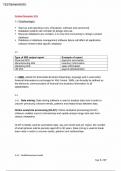
Solution to BE1-3 AJ AJ
Financial Statement Users a AJ AJ AJ
nd Other Parties AJ AJ Role
10. Are shareholders of the company.
10 Equity Investors
AJ AJ AJ AJ
AJ AJ AJ
1. Are banks and other financial institutions that lend
AJ AJ AJ AJ AJ AJ AJ AJ
AJ 1 Creditors
AJ
money to the company. AJ AJ AJ
5. Use financial information to review and analyze r
A J AJ AJ AJ AJ AJ AJ AJ
AJ 5 Financial Analysts
AJ AJ
eported results of the companies they cover and m AJ AJ AJ AJ AJ AJ AJ AJ
ake investment recommendations. AJ AJ
AJ 8 Employees and Labor Unions
AJ AJ AJ AJ
8. Use financial information during negotiation of ne
AJ AJ AJ AJ AJ AJ
AJ 2 Suppliers and Customers
AJ AJ AJ
w labor agreements and compensation contracts.
AJ AJ AJ AJ AJ
2. Use financial statements to determine whether to c
AJ AJ AJ AJ AJ AJ AJ
7 Government Agencies
AJ AJ AJ
onduct business or purchase products from a com AJ AJ AJ AJ AJ AJ AJ
pany.
AJ 3 Competitors
AJ
7. Review the financial statements of publicly traded co
A J AJ AJ AJ AJ AJ AJ AJ
mpanies for a variety of reasons that are in the public
4 External Auditors
AJ AJ AJ AJ AJ AJ AJ AJ AJ AJ AJ
AJ AJ AJ
interest.
AJ 6 Internal Auditors
AJ AJ
3. Use financial information to determine their market p
AJ AJ AJ AJ AJ AJ AJ
osition relative to the reporting entity and to attempt AJ AJ AJ AJ AJ AJ AJ AJ AJ
AJ 11 Regulatory Bodies
AJ AJ to identify future strategies of the reporting entity.
AJ AJ AJ AJ AJ AJ AJ
4. Are independent of the company and responsible f
AJ AJ AJ AJ AJ AJ AJ
9 Professional Organizations
AJ AJ AJ
or ensuring that management prepares and issues fi
AJ AJ AJ AJ AJ AJ AJ
nancial statements that comply with accounting st AJ AJ AJ AJ AJ AJ
andards and fairly present the financial position an AJ AJ AJ AJ AJ AJ AJ
d economic performance of the company.
AJ AJ AJ AJ AJ
6. Are employees of the company serving in an advisor
A J AJ AJ AJ AJ AJ AJ AJ AJ
y role to management. They provide information to
AJ AJ AJ AJ AJ AJ AJ AJ
management regarding the company‘s operations and AJ AJ AJ AJ AJ
proper functioning of its internal controls.
AJ AJ AJ AJ AJ AJ
11. Protect investors and oversee the accounting and a AJ AJ AJ AJ AJ AJ AJ
uditing standard setting processes. AJ AJ AJ
9. Support accounting professionals throughout their AJ AJ AJ AJ
© 2021 Pearson Education, Inc.
AJ AJ AJ AJ
The Financial Reporting Environment
Solutions
Questions
Q1-
1 Financial information is a much broader concept than simply the financial statements and footnot
AJ AJ AJ AJ AJ AJ AJ AJ AJ AJ AJ AJ AJ AJ
es to the financial statements. Financial information includes items such as the President‘s letter to t
AJ AJ AJ AJ AJ AJ AJ AJ AJ AJ AJ AJ AJ AJ AJ
he owners, management‘s discussion and analysis, the auditors‘ report, the management report and
AJ AJ AJ AJ AJ AJ AJ AJ AJ AJ AJ AJ AJ
press releases. Of course, the basic financial statements and footnotes are included in the term finan
AJ AJ AJ AJ AJ AJ AJ AJ AJ AJ AJ AJ AJ AJ AJ
cial information. The basic financial statements are: the balance sheet (also referred to as the state
AJ AJ AJ AJ AJ AJ AJ AJ AJ AJ A J AJ AJ AJ AJ
ment of financial position), the statement of comprehensive income (also referred to as the stateme
AJ AJ AJ AJ AJ AJ AJ AJ AJ AJ AJ AJ AJ AJ
nt of net income and the statement of comprehensive income), the statement of cash flows, and the
AJ AJ AJ AJ AJ AJ AJ AJ AJ AJ AJ AJ AJ AJ AJ AJ AJ
statement of shareholders‘ equity. Financial information is not synonymous with the term financial
AJ AJ AJ AJ AJ AJ AJ AJ AJ AJ AJ AJ
statements because the financial statements are a subset of the different types of financial informat
AJ AJ AJ AJ AJ AJ AJ AJ AJ AJ AJ AJ AJ AJ AJ
ion provided. AJ
Q1-
2 The purpose of generating financial statements is to provide useful information to users to evaluat
AJ AJ AJ AJ AJ AJ AJ AJ AJ AJ AJ AJ AJ AJ AJ
e economic entities and make efficient resource allocation decisions based on the risks and returns
AJ AJ AJ AJ AJ AJ AJ AJ AJ AJ AJ AJ AJ AJ AJ
of a particular investment. The Financial Accounting Standards Board (FASB) identifies investors
AJ AJ AJ AJ AJ AJ AJ AJ AJ AJ AJ
, lenders and other creditors as the primary users of the financial statements. The financial stateme
AJ AJ AJ AJ AJ AJ AJ AJ AJ AJ AJ AJ AJ AJ AJ
nts are the culmination of the financial reporting process.
AJ AJ AJ AJ AJ AJ AJ AJ
Q1-
3 Capital is a scarce resource. Investors and creditors have to make decisions as to how much capital
AJ AJ AJ AJ AJ AJ AJ AJ AJ AJ AJ AJ AJ AJ AJ AJ AJ AJ
to invest in any given entity; therefore, they demand relevant and faithfully representative informati
AJ AJ AJ AJ AJ AJ AJ AJ AJ AJ AJ AJ AJ
on about the economic performance and financial position of a company. This information is provi
AJ AJ AJ AJ AJ AJ AJ AJ AJ AJ AJ AJ AJ AJ
ded in the financial statements.
AJ AJ AJ AJ
Q1-
4 External auditors ensure that the management of a company has prepared financial statements in
AJ AJ AJ AJ AJ AJ AJ AJ AJ AJ AJ AJ AJ AJ AJ
accordance with Generally Accepted Accounting Principles and fairly present the financial position
AJ AJ AJ AJ AJ AJ AJ AJ AJ AJ AJ
and economic performance of a company. In addition, external auditors must be an independent pa
AJ AJ AJ AJ AJ AJ AJ AJ AJ AJ AJ AJ AJ AJ AJ
rty and cannot be employees of the company they are auditing. External auditors provide a signific
AJ AJ AJ AJ AJ AJ AJ AJ AJ AJ AJ AJ AJ AJ AJ
ant amount of credibility to the financial statements.
AJ AJ AJ AJ AJ AJ AJ
Q1-
5 Data analytics is the process of analyzing large data sets in order to draw useful conclusions. It in
AJ AJ AJ AJ AJ AJ AJ AJ AJ AJ AJ AJ AJ AJ AJ AJ AJ AJ
volves converting raw data into useful knowledge. In financial reporting, data analytics can be used
AJ AJ AJ AJ AJ AJ AJ AJ AJ AJ AJ AJ AJ AJ A
to improve the quality of estimates and valuations.
J AJ AJ AJ AJ AJ AJ AJ
Q1-
6 Standard setters create accounting concepts, rules, and guidelines to ensure that financial stateme
AJ AJ AJ AJ AJ AJ AJ AJ AJ AJ AJ AJ AJ
nts accurately present the economic performance and financial position of a firm. The standards en
AJ AJ AJ AJ AJ AJ AJ AJ AJ AJ AJ AJ AJ AJ
courage transparent and truthful reporting. AJ AJ AJ AJ
,1-2 AJ AJ A J SO L UT I O N S M A N U A L F O R
AJ AJ AJ AJ AJ AJ AJ AJ A J AJ AJ AJ AJ AJ A J AJ AJ A J I N T E R M E D I A T E A C C O U N T ING
AJ AJ AJ AJ AJ AJ AJ AJ AJ AJ AJ A J AJ AJ AJ AJ AJ AJ AJ AJ
Q1-
7 U.S. companies listed on U.S. stock exchanges do not have the option to report under IFRS. How
AJ AJ AJ AJ AJ AJ AJ AJ AJ AJ AJ AJ AJ AJ AJ AJ AJ
ever, foreign companies that trade in the U.S. exchanges can report under IFRS. The SEC permits th
AJ AJ AJ AJ AJ AJ AJ AJ AJ AJ AJ AJ AJ AJ AJ AJ
e use of IFRS-
AJ AJ AJ
based financial statements by international companies with shares trading on U.S. stock exchanges
AJ AJ AJ AJ AJ AJ AJ AJ AJ AJ AJ AJ
.
Q1-
8 The FASB seeks and welcomes comments from all parties in the financial reporting process incl
AJ AJ AJ AJ AJ AJ AJ AJ AJ AJ AJ AJ AJ AJ AJ
uding managers, investors, accountants, preparers, creditors, lenders, financial statement users, go
AJ AJ AJ AJ AJ AJ AJ AJ AJ AJ
vernmental agencies, financial analysts, industry groups, and auditors. FASB also receives feedbac
AJ AJ AJ AJ AJ AJ AJ AJ AJ AJ AJ
k from public roundtable discussions, public meetings, the FASAC, the Private Company Council,
AJ AJ AJ AJ AJ AJ AJ AJ AJ AJ AJ AJ
and EITF.
AJ AJ
Q1-
9 Yes, the promulgation of financial accounting standards is a political process. There are several g
AJ AJ AJ AJ AJ AJ AJ AJ AJ AJ AJ AJ AJ AJ AJ
roups that influence the standard setting process. The standard setting process is a political process
AJ AJ AJ AJ AJ AJ AJ AJ AJ AJ AJ AJ AJ AJ AJ
that is affected by the impact of several lobbying groups. The government, through the SEC, influe
AJ AJ AJ AJ AJ AJ AJ AJ AJ AJ AJ AJ AJ AJ AJ
nces accounting standards. The SEC has the authority to issue accounting standards but has assigne
AJ AJ AJ AJ AJ AJ AJ AJ AJ AJ AJ AJ AJ AJ
d this responsibility to the private sector. Nonetheless, the SEC can exert pressure on the FASB to i
AJ AJ AJ AJ AJ AJ AJ AJ AJ AJ AJ AJ AJ AJ AJ AJ AJ
ssue accounting standards and veto the standards promulgated by the FASB. Auditing firms, the co
AJ AJ AJ AJ AJ AJ AJ AJ AJ AJ AJ AJ AJ AJ
rporate sector, creditors, financial analysts, the financial community, accounting organizations, in
AJ AJ AJ AJ AJ AJ AJ AJ AJ AJ
dustry groups, and investors can influence the FASB by written comments about Exposure Drafts a
AJ AJ AJ AJ AJ AJ AJ AJ AJ AJ AJ AJ AJ AJ
nd participation in public meetings and public roundtables regarding a proposed financial reportin
AJ AJ AJ AJ AJ AJ AJ AJ AJ AJ AJ AJ
g standard.
AJ
Q1-10 A principles- AJ AJ
based standard is consistent with a theoretical framework. In contrast, a rules-
AJ AJ AJ AJ AJ AJ AJ AJ AJ AJ AJ
based standard does not necessarily rely on a consistent theoretical framework. Rather, it contain
AJ AJ AJ AJ AJ AJ AJ AJ AJ AJ AJ AJ AJ
s more specific and prescriptive rules.
AJ AJ AJ AJ AJ
Q1-
11 Recently, the FASB has taken an asset/liability approach in setting standards. With this approac
AJ AJ AJ AJ AJ AJ AJ AJ AJ AJ AJ AJ AJ AJ
h, a transaction is recorded based on whether an asset or liability is created. Another trend has been
AJ AJ AJ AJ AJ AJ AJ AJ AJ AJ AJ AJ AJ AJ AJ AJ AJ A
the movement toward the use of fair value measurements as an alternative to historical cost. FASB
J AJ AJ AJ AJ AJ AJ AJ AJ AJ AJ AJ AJ AJ AJ AJ AJ
has also focused on the promulgation of principles-based standards instead of rules-
AJ AJ AJ AJ AJ AJ AJ AJ AJ AJ AJ
based standards. AJ
Brief Exercises Soluti AJ AJ
on to BE1-1 AJ AJ
General-
purpose financial statements provide general financial information about an entity that will be usef
AJ AJ AJ AJ AJ AJ AJ AJ AJ AJ AJ AJ AJ
ul to many types of users. General-
AJ AJ AJ AJ AJ AJ
purpose financial statements provide information to a wide spectrum of user groups: investors, cred
AJ AJ AJ AJ AJ AJ AJ AJ AJ AJ AJ AJ AJ
itors, financial analysts, customers, employees, competitors, suppliers, unions, and government ag
AJ AJ AJ AJ AJ AJ AJ AJ AJ AJ
encies. Most financial information in general purpose financial statements is provided to satisfy use
AJ AJ AJ AJ AJ AJ AJ AJ AJ AJ AJ AJ AJ
rs with limited ability or authority to obtain additional information, which includes investors and cr
AJ AJ AJ AJ AJ AJ AJ AJ AJ AJ AJ AJ AJ AJ
editors. The Financial Accounting Standards Board (FASB) identifies investors, lenders, and other
AJ AJ AJ AJ AJ AJ AJ AJ AJ AJ AJ AJ
© 2021 Pearson Education, Inc.
AJ AJ AJ AJ
, C H AP T E R 1
AJ AJ AJ AJ AJ AJ A J A J THE
AJ AJ A J FI N A N C I A L R E PO R T I N G
AJ AJ AJ AJ AJ AJ AJ AJ A J AJ AJ AJ AJ AJ AJ AJ AJ A J EN VIR O N MEN
AJ AJ AJ AJ AJ AJ AJ AJ AJ AJ 1-3
AJ AJ A J
T
creditors as the primary users of the financial statements.
AJ AJ AJ AJ AJ AJ AJ AJ
© 2021 Pearson Education, Inc.
AJ AJ AJ AJ
, 1-4 AJ AJ A J SO L UT I O N S M A N U A L F O R
AJ AJ AJ AJ AJ AJ AJ AJ A J AJ AJ AJ AJ AJ A J AJ AJ A J I N T E R M E D I A T E A C C O U N T ING
AJ AJ AJ AJ AJ AJ AJ AJ AJ AJ AJ A J AJ AJ AJ AJ AJ AJ AJ AJ
Solution to BE1-2 AJ AJ
Financial accounting is the process of identifying, measuring, and communicating financial infor
AJ AJ AJ AJ AJ AJ AJ AJ AJ AJ AJ
mation about an economic entity to various user groups within the legal, economic, political, and s
AJ AJ AJ AJ AJ AJ AJ AJ AJ AJ AJ AJ AJ AJ AJ
ocial environment. This definition contains four major elements: 1. Financial information; 2.Econ
AJ AJ AJ AJ AJ AJ AJ AJ A J AJ AJ
omic entity; 3. User groups and 4. Legal, economic, political, and social environment
AJ AJ AJ AJ AJ AJ AJ AJ AJ AJ AJ AJ
Solution to BE1-3 AJ AJ
Financial Statement Users a AJ AJ AJ
nd Other Parties AJ AJ Role
10. Are shareholders of the company.
10 Equity Investors
AJ AJ AJ AJ
AJ AJ AJ
1. Are banks and other financial institutions that lend
AJ AJ AJ AJ AJ AJ AJ AJ
AJ 1 Creditors
AJ
money to the company. AJ AJ AJ
5. Use financial information to review and analyze r
A J AJ AJ AJ AJ AJ AJ AJ
AJ 5 Financial Analysts
AJ AJ
eported results of the companies they cover and m AJ AJ AJ AJ AJ AJ AJ AJ
ake investment recommendations. AJ AJ
AJ 8 Employees and Labor Unions
AJ AJ AJ AJ
8. Use financial information during negotiation of ne
AJ AJ AJ AJ AJ AJ
AJ 2 Suppliers and Customers
AJ AJ AJ
w labor agreements and compensation contracts.
AJ AJ AJ AJ AJ
2. Use financial statements to determine whether to c
AJ AJ AJ AJ AJ AJ AJ
7 Government Agencies
AJ AJ AJ
onduct business or purchase products from a com AJ AJ AJ AJ AJ AJ AJ
pany.
AJ 3 Competitors
AJ
7. Review the financial statements of publicly traded co
A J AJ AJ AJ AJ AJ AJ AJ
mpanies for a variety of reasons that are in the public
4 External Auditors
AJ AJ AJ AJ AJ AJ AJ AJ AJ AJ AJ
AJ AJ AJ
interest.
AJ 6 Internal Auditors
AJ AJ
3. Use financial information to determine their market p
AJ AJ AJ AJ AJ AJ AJ
osition relative to the reporting entity and to attempt AJ AJ AJ AJ AJ AJ AJ AJ AJ
AJ 11 Regulatory Bodies
AJ AJ to identify future strategies of the reporting entity.
AJ AJ AJ AJ AJ AJ AJ
4. Are independent of the company and responsible f
AJ AJ AJ AJ AJ AJ AJ
9 Professional Organizations
AJ AJ AJ
or ensuring that management prepares and issues fi
AJ AJ AJ AJ AJ AJ AJ
nancial statements that comply with accounting st AJ AJ AJ AJ AJ AJ
andards and fairly present the financial position an AJ AJ AJ AJ AJ AJ AJ
d economic performance of the company.
AJ AJ AJ AJ AJ
6. Are employees of the company serving in an advisor
A J AJ AJ AJ AJ AJ AJ AJ AJ
y role to management. They provide information to
AJ AJ AJ AJ AJ AJ AJ AJ
management regarding the company‘s operations and AJ AJ AJ AJ AJ
proper functioning of its internal controls.
AJ AJ AJ AJ AJ AJ
11. Protect investors and oversee the accounting and a AJ AJ AJ AJ AJ AJ AJ
uditing standard setting processes. AJ AJ AJ
9. Support accounting professionals throughout their AJ AJ AJ AJ
© 2021 Pearson Education, Inc.
AJ AJ AJ AJ