Lecture 1. Introduction
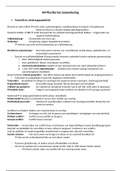
Paper 1. Educational Space in Time - Dekker
From the 17th to the 20th century there was an expansion of the educational space, driven by
increasing educational ambitions and societal changes. Dekker discusses two points of view:
- The “black” legend: portrays historical childhood as a time of hardship and neglect. No
concept of childhood and parental love was largely absent.
- The “white” legend: idealizes the past, viewing historical childhood as a time of
innocence and freedom. Affection has existed in the past.
He indicates four factors that have influenced the educational space over time:
1. The demographic situation.
2. The socio-economic circumstances: resources available, limits created in
industrialization.
3. The power balance between private and public: family, church, state etc.
4. Time-bound manifestation of the educational mindset: mental frameworks of ideas and
beliefs, religion, humanism, reformation, enlightenment etc.
He stresses the importance of considering the historical context when studying educational
spaces and avoiding simple narratives.
Paper 2. Philippe Ariès - Dekker & Groenendijk
Ariès argued that the concept of childhood as a distinct life stage emerged in Western Europe
between the 15th and 18th centuries. He claimed that before this period, children were seen as
small adults and not recognized as having unique needs or characteristics > ‘Le sentiment de
l’enfance.’ : consciousness of childhood as a distinct phase of life. Childhood is not just a
biological fact, but a social construct that has evolved over time.
A large debate arose over these statements. Misunderstanding was that Ariès did not state that
parents did not have affection for their children, just the notion of the concept “child” with its
specific characteristics was missing.
Lecture.
The history of childhood is about the history of change and is related to the different contexts.
The history of childhood is broad and includes many sources.
Ariès stated that in medieval society the idea of childhood did not exist, they did not have that
cultural awareness. His book Centuries of Childhood had a big impact on society then and now.
In the 15th century childhood was not seen as a distinct phase of life, again he did not argue
that medieval parents didn’t love their children.
, In many sources you see a ‘small adult’ where there is an absence of specific childish elements.
The debate:
- Evolutionists: The history of childhood as a nightmare and a change in parental love.
The concept of childhood evolved over time and became more distinct and recognized.
Children were often viewed as ‘small adults’, it emphasizes a progressive view.
- Revisionists: Found it more continuative, concepts of childhood existed in various forms,
children were generally loved and cared for by their parents. Argues for a more nuanced
understanding and acknowledgement of both positive and negative aspects of childhood
in the past. Importance of understanding childhood within specific contexts.
Modern historians often seek a middle ground.
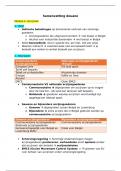
Educational Ambitions = the will to educate children with a clear result in mind (guide child
development f.e.). These ambitions are affected by changes in the historical context and the
educational space.
Educational Space = The cultural conditions restricting education, and the conditions making
educational ambitions possible. It consists of the four factors mentioned above.
Lecture 2. Reformation and Enlightenment
Paper 1. Reformation Germany - Ozment
The Protestant Reformation had big impacts on family life and child-rearing. Fears of the
Reformationist was that children would place their own individual desires above society’s
common needs. Parents were expected to take a more active role in their children's moral and
spiritual development. Reformers emphasized the importance of the family unit and parental
roles in religious education and making sure the child grew up obedient, trustworthy and
teachable. There was an increased focus on educating children, particularly in religious matters.
The Reformation generally reinforced the idea of the patriarchal family.
Paper 2. Child of the Enlightenment - Baggermand & Dekker
This chapter focuses on the educational theories and practices that influenced Otto van Eck's
upbringing during the Enlightenment period. Rousseau’s “Emile” and the Philanthropist
movement are highlighted as a huge influence on educational thought on time. Otto von Eck’s
parents implemented many progressive educational ideas in his education. The chapter
describes how Otto's parents used "progress reports" instead of physical punishment, reflecting
a more humane approach to discipline. It was more about focusing on controlling your emotions
than suppressing them. The chapter explores the tension between allowing a child to develop
naturally and the desire to shape the child into an ideal citizen.
Paper 1. Educational Space in Time - Dekker
From the 17th to the 20th century there was an expansion of the educational space, driven by
increasing educational ambitions and societal changes. Dekker discusses two points of view:
- The “black” legend: portrays historical childhood as a time of hardship and neglect. No
concept of childhood and parental love was largely absent.
- The “white” legend: idealizes the past, viewing historical childhood as a time of
innocence and freedom. Affection has existed in the past.
He indicates four factors that have influenced the educational space over time:
1. The demographic situation.
2. The socio-economic circumstances: resources available, limits created in
industrialization.
3. The power balance between private and public: family, church, state etc.
4. Time-bound manifestation of the educational mindset: mental frameworks of ideas and
beliefs, religion, humanism, reformation, enlightenment etc.
He stresses the importance of considering the historical context when studying educational
spaces and avoiding simple narratives.
Paper 2. Philippe Ariès - Dekker & Groenendijk
Ariès argued that the concept of childhood as a distinct life stage emerged in Western Europe
between the 15th and 18th centuries. He claimed that before this period, children were seen as
small adults and not recognized as having unique needs or characteristics > ‘Le sentiment de
l’enfance.’ : consciousness of childhood as a distinct phase of life. Childhood is not just a
biological fact, but a social construct that has evolved over time.
A large debate arose over these statements. Misunderstanding was that Ariès did not state that
parents did not have affection for their children, just the notion of the concept “child” with its
specific characteristics was missing.
Lecture.
The history of childhood is about the history of change and is related to the different contexts.
The history of childhood is broad and includes many sources.
Ariès stated that in medieval society the idea of childhood did not exist, they did not have that
cultural awareness. His book Centuries of Childhood had a big impact on society then and now.
In the 15th century childhood was not seen as a distinct phase of life, again he did not argue
that medieval parents didn’t love their children.
, In many sources you see a ‘small adult’ where there is an absence of specific childish elements.
The debate:
- Evolutionists: The history of childhood as a nightmare and a change in parental love.
The concept of childhood evolved over time and became more distinct and recognized.
Children were often viewed as ‘small adults’, it emphasizes a progressive view.
- Revisionists: Found it more continuative, concepts of childhood existed in various forms,
children were generally loved and cared for by their parents. Argues for a more nuanced
understanding and acknowledgement of both positive and negative aspects of childhood
in the past. Importance of understanding childhood within specific contexts.
Modern historians often seek a middle ground.
Educational Ambitions = the will to educate children with a clear result in mind (guide child
development f.e.). These ambitions are affected by changes in the historical context and the
educational space.
Educational Space = The cultural conditions restricting education, and the conditions making
educational ambitions possible. It consists of the four factors mentioned above.
Lecture 2. Reformation and Enlightenment
Paper 1. Reformation Germany - Ozment
The Protestant Reformation had big impacts on family life and child-rearing. Fears of the
Reformationist was that children would place their own individual desires above society’s
common needs. Parents were expected to take a more active role in their children's moral and
spiritual development. Reformers emphasized the importance of the family unit and parental
roles in religious education and making sure the child grew up obedient, trustworthy and
teachable. There was an increased focus on educating children, particularly in religious matters.
The Reformation generally reinforced the idea of the patriarchal family.
Paper 2. Child of the Enlightenment - Baggermand & Dekker
This chapter focuses on the educational theories and practices that influenced Otto van Eck's
upbringing during the Enlightenment period. Rousseau’s “Emile” and the Philanthropist
movement are highlighted as a huge influence on educational thought on time. Otto von Eck’s
parents implemented many progressive educational ideas in his education. The chapter
describes how Otto's parents used "progress reports" instead of physical punishment, reflecting
a more humane approach to discipline. It was more about focusing on controlling your emotions
than suppressing them. The chapter explores the tension between allowing a child to develop
naturally and the desire to shape the child into an ideal citizen.