BEH 5041 Unit 6
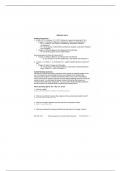
Reading Assignment
1. Cooper, J. O., Heron, T. E., & Heward, W. L. (2020). Applied behavior analysis (3rd
ed.).
▪ Chapter 2: Basic Concepts and Principles
o Pp. 40–41 (start at “The Discriminated Operant and Three-Term
Contingency”; stop before “Recognizing the Complexity of Human Behavior”) ▪
Chapter 17: Stimulus Control
o Pp. 395–399 (stop before “Developing Stimulus Control”)
▪ Chapter 14: Positive Punishment
o Pp. 330–331 (start at “Discriminative Effects of Punishment”; stop before
“Recovery from Punishment”)
2. Pierce, W. D., & Cheney, C. D. (2017). Behavior analysis and learning (6th ed.).
▪ Chapter 4: Reinforcement and Extinction of Operant Behavior
o Pp. 98–99 (start at “Discriminative Stimuli”; stop before “Contingencies of
Reinforcement”)
▪ Chapter 8: Stimulus Control
o Pp. 255–257 (stop before “Stimulus Control of Behavior Sequences”) o
P. 284 (start at “Conditional Discrimination”; stop before “On the Applied
Side”)
Guided Reading Questions
You may use the Guided Reading Questions and the answers you recorded while
completing the Reading Check.
Cooper, Heron, & Heward (2020): Ch. 2 Pp. 40–41
1. What two functional relations does operant conditioning establish?
Behavior & consequences / Behavior & certain antecedent conditions
2. What does reinforcement select besides certain forms of behavior?
The environmental conditions that in the future will evoke instances of
the response class
3. What is a discriminated operant?
A behavior that occurs more often under some antecedent conditions
than it does in others
4. What is the most common connotation of the term contingency?
A→B→C
Cooper, Heron, & Heward (2020): Ch. 17 Pp. 395–399
5. How is a problem with stimulus control represented?
Stimulus delta
6. When is behavior said to be under stimulus control?
Behavior that occurs more often in the presence of an SD
7. When is stimulus discrimination achieved?
When the SD signals a rich schedule of reinforcement and the S(delta) signals a zero
chance of reinforcement (i.e., extinction), the organism will eventually respond only in
the presence of the SD and emit no responses in the S(delta) condition
Reading Assignment
1. Cooper, J. O., Heron, T. E., & Heward, W. L. (2020). Applied behavior analysis (3rd
ed.).
▪ Chapter 2: Basic Concepts and Principles
o Pp. 40–41 (start at “The Discriminated Operant and Three-Term
Contingency”; stop before “Recognizing the Complexity of Human Behavior”) ▪
Chapter 17: Stimulus Control
o Pp. 395–399 (stop before “Developing Stimulus Control”)
▪ Chapter 14: Positive Punishment
o Pp. 330–331 (start at “Discriminative Effects of Punishment”; stop before
“Recovery from Punishment”)
2. Pierce, W. D., & Cheney, C. D. (2017). Behavior analysis and learning (6th ed.).
▪ Chapter 4: Reinforcement and Extinction of Operant Behavior
o Pp. 98–99 (start at “Discriminative Stimuli”; stop before “Contingencies of
Reinforcement”)
▪ Chapter 8: Stimulus Control
o Pp. 255–257 (stop before “Stimulus Control of Behavior Sequences”) o
P. 284 (start at “Conditional Discrimination”; stop before “On the Applied
Side”)
Guided Reading Questions
You may use the Guided Reading Questions and the answers you recorded while
completing the Reading Check.
Cooper, Heron, & Heward (2020): Ch. 2 Pp. 40–41
1. What two functional relations does operant conditioning establish?
Behavior & consequences / Behavior & certain antecedent conditions
2. What does reinforcement select besides certain forms of behavior?
The environmental conditions that in the future will evoke instances of
the response class
3. What is a discriminated operant?
A behavior that occurs more often under some antecedent conditions
than it does in others
4. What is the most common connotation of the term contingency?
A→B→C
Cooper, Heron, & Heward (2020): Ch. 17 Pp. 395–399
5. How is a problem with stimulus control represented?
Stimulus delta
6. When is behavior said to be under stimulus control?
Behavior that occurs more often in the presence of an SD
7. When is stimulus discrimination achieved?
When the SD signals a rich schedule of reinforcement and the S(delta) signals a zero
chance of reinforcement (i.e., extinction), the organism will eventually respond only in
the presence of the SD and emit no responses in the S(delta) condition