Chapter 20 Accounting Changes and
Error Corrections
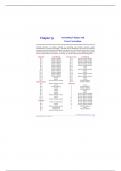
AACSB assurance of learning standards in accounting and business education require
documentation of outcomes assessment. Although schools, departments, and faculty may approach
assessment and its documentation differently, one approach is to provide specific questions on exams
that become the basis for assessment. To aid faculty in this endeavor, we have labeled each question,
exercise, and problem in Intermediate Accounting, 9e, with the following AACSB learning skills:
Questions AACSB Tags Exercises (cont.) AACSB Tags
20–1 Reflective thinking 20–8 Reflective thinking, Analytic
20–2 Reflective thinking 20–9 Reflective thinking, Analytic
20–3 Reflective thinking 20–10 Reflective thinking, Analytic
20–4 Reflective thinking 20–11 Reflective thinking, Analytic
20–5 Reflective thinking 20–12 Reflective thinking, Analytic
20–6 Reflective thinking 20–13 Reflective thinking, Analytic
20–7 Reflective thinking 20–14 Analytic
20–8 Reflective thinking 20–15 Analytic
20–9 Reflective thinking 20–16 Reflective thinking, Analytic
20–10 Reflective thinking 20–17 Analytic
20–11 Reflective thinking 20–18 Analytic
20–12 Reflective thinking 20–19 Reflective thinking, Analytic
20–13 Reflective thinking 20–20 Analytic
20–14 Reflective thinking 20–21 Reflective thinking, Analytic
20–15 Analytic 20–22 Analytic
20–16 Analytic 20–23 Analytic
20–17 Diversity, Reflective thinking 20–24 Reflective thinking
Brief Exercises 20–25 Reflective thinking
20–1 Reflective thinking, Analytic CPA/CMA
20–2 Analytic 1 Analytic
20–3 Reflective thinking 2 Reflective thinking
20–4 Analytic 3 Reflective thinking
20–5 Analytic 4 Reflective thinking
20–6 Analytic 5 Analytic
20–7 Analytic 6 Analytic
20–8 Analytic 7 Diversity, Reflective thinking
20–9 Reflective thinking, Analytic 8 Diversity, Reflective thinking
20–10 Analytic 9 Diversity, Reflective thinking
20–11 Analytic 10 Diversity, Reflective thinking
20–12 Reflective thinking, Analytic 11 Diversity, Reflective thinking
Exercises 12 Diversity, Reflective thinking
20–1 Analytic, Communications 13 Diversity, Reflective thinking
20–2 Analytic 14 Diversity, Reflective thinking
20–3 Analytic 15 Diversity, Reflective thinking
20–4 Reflective thinking, Analytic 1 Reflective thinking
20–5 Communication 2 Analytic
20–6 Communication 3 Reflective thinking
20–7 Reflective thinking, Analytic
©TheMc
Graw-
Hil
lCompani
es,
Inc
.,2018
Sol
uti
onsManual
,Vol
.2,
Chapt
er20 20-
, Problems AACSB Tags
20–1 Analytic
20–2 Analytic
20–3 Reflective thinking, Analytic
20–4 Analytic
20–5 Analytic
20–6 Reflective thinking, Analytic
20–7 Analytic
20–8 Reflective thinking, Analytic
20–9 Analytic
20–10 Reflective thinking, Analytic
20–11 Analytic
20–12 Reflective thinking, Analytic
20–13 Reflective thinking, Analytic
20–14 Analytic
20–15 Analytic
20–16 Analytic
20–17 Reflective thinking, Analytic
QUESTIONS FOR REVIEW OF KEY TOPICS
Question 20-1
Accounting changes are categorized as:
1. Changes in principle (when companies switch from one acceptable accounting
method to another)
2. Changes in estimate (when new information causes companies to revise
estimates made previously)
3. Changes in reporting entity (the group of companies comprising the reporting
entity changes)
Question 20-2
Accounting changes can be accounted for:
1. Retrospectively (prior years revised),
2. Modified retrospectively, (adoption period only revised),
or 3. Prospectively (only current and future years affected).
Question 20-3
In general, we report voluntary changes in accounting principles retrospectively.
This means revising all previous periods’ financial statements presented in
comparative statements as if the new method were used in those periods. In other
© The McGraw-Hill Companies, Inc., 2018
20- Intermediate Accounting, 9e
,words, for each year in the comparative statements reported, we revise the balance of
each account affected. Specifically, we make those statements appear as if the newly
adopted accounting method had been applied all along. Also, if retained earnings is
one of the accounts whose balance requires adjustment (and it usually is), we revise
the beginning balance of retained earnings for the earliest period reported in the
comparative statements of shareholders’ equity (or statements of retained earnings if
they’re presented instead). Then we create a journal entry to adjust all account
balances affected as of the date of the change. In the first set of financial statements
after the change, a disclosure note would describe the change and justify the new
method as preferable. It also would describe the effects of the change on all items
affected, including the fact that the retained earnings balance was revised in the
statement of shareholders’ equity.
©TheMc
Graw-
Hil
lCompani
es,
Inc
.,2018
Sol
uti
onsManual
,Vol
.2,
Chapt
er20 20-
, Answers to Questions (continued)
Question 20-4
Lynchs hou l
dr epor titsc hangei nd e
p r
eciati
o nme thoda sac hangei ne stima t
e,
r
a t
he rthana sa c ha n gei na ccoun t
ingp rincipl
e.Th isi sbe c auseac h angei n
deprecia
tionme thodi sc onsideredac ha n
gei na c
cou nti
nge sti
ma ter efle ctedb ya
changeina ccou nti
n gpr incipl
e .I
no therwor ds,ac hangeint hed epreciat
ionme thodi s
adoptedt or e
fle ctac han gein( a)e st
imatedf utureb ene fit sf ro
mt hea sset,( b)t
he
patt
e r
no freceivin gt ho s
ebe nefit s,or( c)t hec omp a
n y’skn owledgea bou tt hose
bene fits.Th ee ffe ctofthec hangeind epreciati
onme t
ho di sinsepar
a bl
ef romt h eeffe ct
oft hec hangei na cc ountinge st
ima te
.Su chc hangesf r
eq uen t
lya rer el
a t
edt ot he
ongoingp rocesso fo btaini
n gne winforma ti
ona ndr evi
singe st
ima tesand,a ccord i
ng l
y,
area ct
uallycha nge si ne sti
ma te
sno tunlikec hangi
n gt h
ee sti
ma tedus efullif
eo fa
deprecia
blea sset.Lo gical
ly,thetwoe v
entssho ul
db erepo rt
e dt h
es amewa y.
Ac c
ordingly,Ly nc hr eport
st hecha ngeprosp e
c t
ive
ly;pre viousfina ncia
ls t
a te
me nts
aren otrevi
sed .I n s
tea d,thec omp anys i
mp lye mployst hes t
ra i
ght-li
neme t
ho df rom
t
h eno n. Th eu n depr eci
atedc ostr emaininga tt hetimeo ft hec hangewo uldb e
deprecia
teds traightl ineo v e
rt here ma i
ningus efullif
e . A di sclosureno tes houl d
j
us t
ifythatthec han gei spreferab
lea ndd escr
ibethee ffe ctofac hangeona nyfin anc
ial
s
tateme ntli
nei t
e msa ndpe rsh ar
ea mou ntsaffe ct
edf orallpe ri
od sreported.
Question 20-5
Ingeneral,wer eportv oluntar
yc han g
e sina cco
un tingprinci
ple
sr et
rospect
ivel
y.
Thi sme a
nsSu garb ake
rwi llreviseallpreviouspe r
iod’sfina ncia
lst
ateme nt
spresented
in comparative statements,including2 017,a si fthea veragec os
tme t
ho da l
wayshad
bee nused.Su ga rbakerwi l
lr evis
ec osto fg oodss oldf or2 017aswe llasa nyother
incomes tat
e me nta mou ntsa ffe c
tedb yt hatr evi
sion,i ncl
udingincomet axesandn et
income .
Sin
cet hec ha ngeaffe ct
si ncome,r etainede arnin g
sa lsochanges. Su ga
rbaker
refle c
tsthec umu l
ati
vepr io
ry eardi ffe r
e ncei nc ostofg o
odss old(aft
ertax)a sa
diffe r
encei np riory ear
s’i ncomea ndt heref
o reint heba lanceinret
ainede ar
nings
.I t
alsorevise
si nventor yintheb alances h
eet.
© The McGraw-Hill Companies, Inc., 2018
20- Intermediate Accounting, 9e
Error Corrections
AACSB assurance of learning standards in accounting and business education require
documentation of outcomes assessment. Although schools, departments, and faculty may approach
assessment and its documentation differently, one approach is to provide specific questions on exams
that become the basis for assessment. To aid faculty in this endeavor, we have labeled each question,
exercise, and problem in Intermediate Accounting, 9e, with the following AACSB learning skills:
Questions AACSB Tags Exercises (cont.) AACSB Tags
20–1 Reflective thinking 20–8 Reflective thinking, Analytic
20–2 Reflective thinking 20–9 Reflective thinking, Analytic
20–3 Reflective thinking 20–10 Reflective thinking, Analytic
20–4 Reflective thinking 20–11 Reflective thinking, Analytic
20–5 Reflective thinking 20–12 Reflective thinking, Analytic
20–6 Reflective thinking 20–13 Reflective thinking, Analytic
20–7 Reflective thinking 20–14 Analytic
20–8 Reflective thinking 20–15 Analytic
20–9 Reflective thinking 20–16 Reflective thinking, Analytic
20–10 Reflective thinking 20–17 Analytic
20–11 Reflective thinking 20–18 Analytic
20–12 Reflective thinking 20–19 Reflective thinking, Analytic
20–13 Reflective thinking 20–20 Analytic
20–14 Reflective thinking 20–21 Reflective thinking, Analytic
20–15 Analytic 20–22 Analytic
20–16 Analytic 20–23 Analytic
20–17 Diversity, Reflective thinking 20–24 Reflective thinking
Brief Exercises 20–25 Reflective thinking
20–1 Reflective thinking, Analytic CPA/CMA
20–2 Analytic 1 Analytic
20–3 Reflective thinking 2 Reflective thinking
20–4 Analytic 3 Reflective thinking
20–5 Analytic 4 Reflective thinking
20–6 Analytic 5 Analytic
20–7 Analytic 6 Analytic
20–8 Analytic 7 Diversity, Reflective thinking
20–9 Reflective thinking, Analytic 8 Diversity, Reflective thinking
20–10 Analytic 9 Diversity, Reflective thinking
20–11 Analytic 10 Diversity, Reflective thinking
20–12 Reflective thinking, Analytic 11 Diversity, Reflective thinking
Exercises 12 Diversity, Reflective thinking
20–1 Analytic, Communications 13 Diversity, Reflective thinking
20–2 Analytic 14 Diversity, Reflective thinking
20–3 Analytic 15 Diversity, Reflective thinking
20–4 Reflective thinking, Analytic 1 Reflective thinking
20–5 Communication 2 Analytic
20–6 Communication 3 Reflective thinking
20–7 Reflective thinking, Analytic
©TheMc
Graw-
Hil
lCompani
es,
Inc
.,2018
Sol
uti
onsManual
,Vol
.2,
Chapt
er20 20-
, Problems AACSB Tags
20–1 Analytic
20–2 Analytic
20–3 Reflective thinking, Analytic
20–4 Analytic
20–5 Analytic
20–6 Reflective thinking, Analytic
20–7 Analytic
20–8 Reflective thinking, Analytic
20–9 Analytic
20–10 Reflective thinking, Analytic
20–11 Analytic
20–12 Reflective thinking, Analytic
20–13 Reflective thinking, Analytic
20–14 Analytic
20–15 Analytic
20–16 Analytic
20–17 Reflective thinking, Analytic
QUESTIONS FOR REVIEW OF KEY TOPICS
Question 20-1
Accounting changes are categorized as:
1. Changes in principle (when companies switch from one acceptable accounting
method to another)
2. Changes in estimate (when new information causes companies to revise
estimates made previously)
3. Changes in reporting entity (the group of companies comprising the reporting
entity changes)
Question 20-2
Accounting changes can be accounted for:
1. Retrospectively (prior years revised),
2. Modified retrospectively, (adoption period only revised),
or 3. Prospectively (only current and future years affected).
Question 20-3
In general, we report voluntary changes in accounting principles retrospectively.
This means revising all previous periods’ financial statements presented in
comparative statements as if the new method were used in those periods. In other
© The McGraw-Hill Companies, Inc., 2018
20- Intermediate Accounting, 9e
,words, for each year in the comparative statements reported, we revise the balance of
each account affected. Specifically, we make those statements appear as if the newly
adopted accounting method had been applied all along. Also, if retained earnings is
one of the accounts whose balance requires adjustment (and it usually is), we revise
the beginning balance of retained earnings for the earliest period reported in the
comparative statements of shareholders’ equity (or statements of retained earnings if
they’re presented instead). Then we create a journal entry to adjust all account
balances affected as of the date of the change. In the first set of financial statements
after the change, a disclosure note would describe the change and justify the new
method as preferable. It also would describe the effects of the change on all items
affected, including the fact that the retained earnings balance was revised in the
statement of shareholders’ equity.
©TheMc
Graw-
Hil
lCompani
es,
Inc
.,2018
Sol
uti
onsManual
,Vol
.2,
Chapt
er20 20-
, Answers to Questions (continued)
Question 20-4
Lynchs hou l
dr epor titsc hangei nd e
p r
eciati
o nme thoda sac hangei ne stima t
e,
r
a t
he rthana sa c ha n gei na ccoun t
ingp rincipl
e.Th isi sbe c auseac h angei n
deprecia
tionme thodi sc onsideredac ha n
gei na c
cou nti
nge sti
ma ter efle ctedb ya
changeina ccou nti
n gpr incipl
e .I
no therwor ds,ac hangeint hed epreciat
ionme thodi s
adoptedt or e
fle ctac han gein( a)e st
imatedf utureb ene fit sf ro
mt hea sset,( b)t
he
patt
e r
no freceivin gt ho s
ebe nefit s,or( c)t hec omp a
n y’skn owledgea bou tt hose
bene fits.Th ee ffe ctofthec hangeind epreciati
onme t
ho di sinsepar
a bl
ef romt h eeffe ct
oft hec hangei na cc ountinge st
ima te
.Su chc hangesf r
eq uen t
lya rer el
a t
edt ot he
ongoingp rocesso fo btaini
n gne winforma ti
ona ndr evi
singe st
ima tesand,a ccord i
ng l
y,
area ct
uallycha nge si ne sti
ma te
sno tunlikec hangi
n gt h
ee sti
ma tedus efullif
eo fa
deprecia
blea sset.Lo gical
ly,thetwoe v
entssho ul
db erepo rt
e dt h
es amewa y.
Ac c
ordingly,Ly nc hr eport
st hecha ngeprosp e
c t
ive
ly;pre viousfina ncia
ls t
a te
me nts
aren otrevi
sed .I n s
tea d,thec omp anys i
mp lye mployst hes t
ra i
ght-li
neme t
ho df rom
t
h eno n. Th eu n depr eci
atedc ostr emaininga tt hetimeo ft hec hangewo uldb e
deprecia
teds traightl ineo v e
rt here ma i
ningus efullif
e . A di sclosureno tes houl d
j
us t
ifythatthec han gei spreferab
lea ndd escr
ibethee ffe ctofac hangeona nyfin anc
ial
s
tateme ntli
nei t
e msa ndpe rsh ar
ea mou ntsaffe ct
edf orallpe ri
od sreported.
Question 20-5
Ingeneral,wer eportv oluntar
yc han g
e sina cco
un tingprinci
ple
sr et
rospect
ivel
y.
Thi sme a
nsSu garb ake
rwi llreviseallpreviouspe r
iod’sfina ncia
lst
ateme nt
spresented
in comparative statements,including2 017,a si fthea veragec os
tme t
ho da l
wayshad
bee nused.Su ga rbakerwi l
lr evis
ec osto fg oodss oldf or2 017aswe llasa nyother
incomes tat
e me nta mou ntsa ffe c
tedb yt hatr evi
sion,i ncl
udingincomet axesandn et
income .
Sin
cet hec ha ngeaffe ct
si ncome,r etainede arnin g
sa lsochanges. Su ga
rbaker
refle c
tsthec umu l
ati
vepr io
ry eardi ffe r
e ncei nc ostofg o
odss old(aft
ertax)a sa
diffe r
encei np riory ear
s’i ncomea ndt heref
o reint heba lanceinret
ainede ar
nings
.I t
alsorevise
si nventor yintheb alances h
eet.
© The McGraw-Hill Companies, Inc., 2018
20- Intermediate Accounting, 9e