

Exam (elaborations) Army Promotion
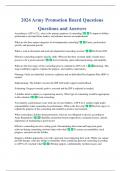
According to ATP 6-22.1, what is the primary purpose of counseling? To improve Soldier performance, develop future leaders, and enhance mission accomplishment. What are the three major categories of developmental counseling? Career, professional growth, and personal growth. What is used to document and track developmental counseling sessions? DA Form 4856 Effective counseling requires specific skills. What are the three essential skills a leader must possess to be a good counselor? Active listening, open-ended questioning, and empathy. What are the four stages of the counseling process outlined in ATP 6-22.1. Initiating: This stage establishes rapport, explains the purpose, and clarifies expectations. Planning: Goals are identified, resources explored, and an Individual Development Plan (IDP) is created. Implementing: The Soldier executes the IDP with leader support and feedback. Evaluating: Progress towards goals is assessed and the IDP is adjusted as needed. A Soldier about to deploy is experiencing anxiety. What type of counseling would be appropriate in this situation? Event counseling You identify a performance issue with one of your Soldiers. ATP 6-22.1 outlines eight leader responsibilities when counseling for performance. What is the first step? The first step is to explain the purpose of the counseling and establish a positive environment. When counseling a Soldier about promotion, what are you obligated to discuss according to Army Regulations? Eligibility, promotion board composition, evaluation factors, and the importance of maintaining a good record. Effective counseling involves setting goals. Documenting short-term and long-term goals achieved during counseling sessions helps with what? To ensure accountability, track progress, and motivate the Soldier. Imagine a Soldier approaches you with a personal issue impacting their work. While you cannot provide therapy, some key things to remember when conducting personal counseling according to ATP 6-22.1 include what? Offering support, confidentiality (within reason), and directing them to appropriate resources such as chaplains, Military OneSource, or Mental Health professionals. ADP 6-22 outlines the importance of leader-Soldier relationships. How does effective counseling contribute to building strong relationships? Effective counseling fosters open communication, trust, and mutual respect between leaders and Soldiers. ADP 6-22 emphasizes the three main approaches to counseling: directive, non-directive, and combined. Briefly describe each approach and give an example of when it might be most appropriate. Directive counseling: Leader provides clear guidance and solutions. Best used for inexperienced Soldiers or situations requiring immediate action. Non-directive counseling: Leader facilitates Soldier self-discovery through open-ended questions and active listening. Best for career planning or personal growth discussions. Combined counseling: A blend of both directive and non-directive techniques, adapting to the Soldier's needs and the situation. Soldiers come from diverse backgrounds and experiences. How can a leader ensure counseling sessions are inclusive and address individual needs according to ADP 6-22? Leaders should practice active listening, avoid stereotypes, and tailor their approach to the Soldier's cultural background, learning style, and specific situation. ADP 6-22 highlights the importance of confidentiality in counseling. Are there any limitations to confidentiality that leaders should be aware of? Yes. Leaders are required to report threats of self-harm, harm to others, or criminal activity. A Soldier on your team recently received a negative evaluation on a field exercise. How would you utilize ADP 6-22 to conduct performance counseling in this situation? Following ADP 6-22, you would explain the purpose, review the specific performance deficiencies, identify contributing factors, and collaboratively develop a plan for improvement documented on DA Form 4856. ADP 6-22 outlines the four stages of the counseling process. Explain the importance of the "evaluating" stage and how it contributes to effective counseling. The "evaluating" stage allows leader and Soldier to assess progress towards goals set in the IDP. This feedback loop ensures the counseling remains relevant, identifies areas for adjustment, and motivates continued development. Soldiers often face challenges outside of work that can impact performance. How can a leader leverage ADP 6-22 principles to provide support while respecting the Soldier's privacy? Leaders can express concern, offer general resources like Military OneSource or chaplains, and encourage the
Document information
- Uploaded on
- June 11, 2024
- Number of pages
- 21
- Written in
- 2023/2024
- Type
- Exam (elaborations)
- Contains
- Questions & answers


