Lecture 2 – Introduction to Company Law and Formation of Companies
Recommended Reading:
▪ Grier N, Company Law (5th edn, W Green 2020), Chs 1 and 3.
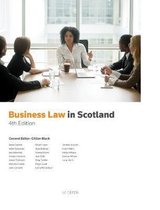
▪ Black G (ed.), Business Law in Scotland, Chap 14
Lecture Outcomes
In this lecture podcast, we will consider:
▪ why companies are so important
▪ the main differences between companies and partnerships
▪ Brief history of company law
▪ different ways of forming companies in the UK
▪ The differences between:
▪ unlimited and limited companies, and between companies limited by guarantee and
by shares
▪ public and private companies
▪ The meaning of the following:
▪ community interest companies
▪ Scottish Charitable Incorporated Organisations
▪ European company (SE)
▪ SMEs
Why are companies important?
1. Legal personality – companies are separate legal persons from their members (their
shareholders) and directors and in many ways are treated by the law like human beings. They
are treated equivalent to natural persons.
That status is framed upon their ability to incorporate and then to be able to contract with
other legal persons, other companies, for example, and individuals who may wish to buy their
shares.
2. Limited liability – in a limited liability company, the members (shareholders) of a company
are separate from the company itself, and if a limited company fails, the members are only
liable for what they agreed to be liable for and not for all the company’s debts.
Companies House Statistics
• 4,633,649 companies on the companies register @ September 2020
• 221,021 new incorporations between June-September 2020
, • 102,269 dissolutions between June-September 2020
Companies and Partnerships Compared
▪ Different legislation – the main statute on partnership is the Partnership Act 1890 (focus of
Topic 1!)
▪ Companies are formed by incorporation - partnerships are formed by consensus/agreement
▪ Companies are more expensive to run because there are more rules that must be complied
with
▪ Both are legal persons in Scotland, though the legal personality of a partnership in Scotland is
incomplete.
▪ A partnership cannot have one member only, which companies can do.
▪ Company shares are normally freely transferable, while partners need the consent of all
partners to transfer share in a partnership.
▪ Partners normally have a right to take part in management, whereas members of a company
do not. Management is divested to directors.
▪ Members of a company usually have limited liability, whereas partners in a partnership (other
than a limited partnership or limited liability partnership) are jointly and severally liable to an
unlimited extent for partnership obligations.
▪ Companies (like LLPs) must disclose financial details to Companies House, which are then
available to the public – partnerships do not.
▪ A company can make use of the floating charge to secure loans it takes out, which a normal
partnership (other than an LLP) cannot do
▪ A partnership can be dissolved by any partner, but this is not normally the case in a company.
▪ The partnership form cannot be used by a not-for-profit business, whereas the company form
can.
▪ The company is a much more popular legal form.
A Brief History of Company Law
▪ The oldest registered Scottish company that still exists today in the same form is the Cupar
Corn Exchange Ltd (incorporated in 1860).
▪ Prior to that, there were earlier forms of companies, including the joint stock company which
was like a partnership.
▪ Company law developed slowly in the UK because many forms of companies were made illegal
after the South Sea Bubble (legislation in 1720 resulted from that)
▪ Joint stock companies were permitted in 1844 – companies in which the members had
unlimited liability.
Recommended Reading:
▪ Grier N, Company Law (5th edn, W Green 2020), Chs 1 and 3.
▪ Black G (ed.), Business Law in Scotland, Chap 14
Lecture Outcomes
In this lecture podcast, we will consider:
▪ why companies are so important
▪ the main differences between companies and partnerships
▪ Brief history of company law
▪ different ways of forming companies in the UK
▪ The differences between:
▪ unlimited and limited companies, and between companies limited by guarantee and
by shares
▪ public and private companies
▪ The meaning of the following:
▪ community interest companies
▪ Scottish Charitable Incorporated Organisations
▪ European company (SE)
▪ SMEs
Why are companies important?
1. Legal personality – companies are separate legal persons from their members (their
shareholders) and directors and in many ways are treated by the law like human beings. They
are treated equivalent to natural persons.
That status is framed upon their ability to incorporate and then to be able to contract with
other legal persons, other companies, for example, and individuals who may wish to buy their
shares.
2. Limited liability – in a limited liability company, the members (shareholders) of a company
are separate from the company itself, and if a limited company fails, the members are only
liable for what they agreed to be liable for and not for all the company’s debts.
Companies House Statistics
• 4,633,649 companies on the companies register @ September 2020
• 221,021 new incorporations between June-September 2020
, • 102,269 dissolutions between June-September 2020
Companies and Partnerships Compared
▪ Different legislation – the main statute on partnership is the Partnership Act 1890 (focus of
Topic 1!)
▪ Companies are formed by incorporation - partnerships are formed by consensus/agreement
▪ Companies are more expensive to run because there are more rules that must be complied
with
▪ Both are legal persons in Scotland, though the legal personality of a partnership in Scotland is
incomplete.
▪ A partnership cannot have one member only, which companies can do.
▪ Company shares are normally freely transferable, while partners need the consent of all
partners to transfer share in a partnership.
▪ Partners normally have a right to take part in management, whereas members of a company
do not. Management is divested to directors.
▪ Members of a company usually have limited liability, whereas partners in a partnership (other
than a limited partnership or limited liability partnership) are jointly and severally liable to an
unlimited extent for partnership obligations.
▪ Companies (like LLPs) must disclose financial details to Companies House, which are then
available to the public – partnerships do not.
▪ A company can make use of the floating charge to secure loans it takes out, which a normal
partnership (other than an LLP) cannot do
▪ A partnership can be dissolved by any partner, but this is not normally the case in a company.
▪ The partnership form cannot be used by a not-for-profit business, whereas the company form
can.
▪ The company is a much more popular legal form.
A Brief History of Company Law
▪ The oldest registered Scottish company that still exists today in the same form is the Cupar
Corn Exchange Ltd (incorporated in 1860).
▪ Prior to that, there were earlier forms of companies, including the joint stock company which
was like a partnership.
▪ Company law developed slowly in the UK because many forms of companies were made illegal
after the South Sea Bubble (legislation in 1720 resulted from that)
▪ Joint stock companies were permitted in 1844 – companies in which the members had
unlimited liability.