Forensic Psychology
PSY 205
March 4 - April 28
24EW4
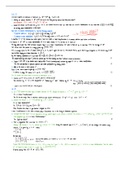
,MODULE 1
, Primary differences between psychology and the law:
To describe how To order how
people behave people behave
Finding truth about Punishing illegal
the behavior behavior
Describing how Describing how
people behave individuals behave
Nomothetic Idiographic
Nomothetic - relating to the study or discovery of general
scientific laws, studies people as a total population
(quantitative methods)
Idiographic - relating to the study or discovery of particular scientific
facts and processes, distinct from general laws, studies people as
individuals (qualitative methods)
Psychologists can be:
• advisors - expert witness, file briefs, give testimony
• evaluators - evaluate effectiveness of programs/policies
• reformers - use evidence to suggest changes
Formative evaluation: done to help amend a current program
Summativ evaluation: assesses effectiveness of program at its end
, 3/7/24
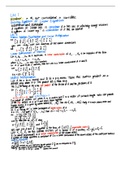
Discussion 1: Forensic Psychology and the Law
1. How does this amicus brief reflect the balance between
psychology and law? For replies:
2. How does this report reflect the ways forensic What did you agree on?
What was different?
psychologists work within the legal system while
remaining separate from it?
Why file an amicus brief?
Amicus Briefs Forensic psychology, as a field, involves applying
1. The outcome sets a precedent various psychological specialties, including clinical,
2. The outcome directly affects your group developmental, cognitive, and social psychology, to
3. You have expert knowledge on the subject
legal situations. This application may take several
4. You want to raise a person’s profile
5. You want to educate the court forms, such as assessing an individual’s mental state
6. It's a great marketing tool during a legal proceeding, providing therapy to crime
victims, advising on jury selection, and much more.
PSY 205
March 4 - April 28
24EW4
,MODULE 1
, Primary differences between psychology and the law:
To describe how To order how
people behave people behave
Finding truth about Punishing illegal
the behavior behavior
Describing how Describing how
people behave individuals behave
Nomothetic Idiographic
Nomothetic - relating to the study or discovery of general
scientific laws, studies people as a total population
(quantitative methods)
Idiographic - relating to the study or discovery of particular scientific
facts and processes, distinct from general laws, studies people as
individuals (qualitative methods)
Psychologists can be:
• advisors - expert witness, file briefs, give testimony
• evaluators - evaluate effectiveness of programs/policies
• reformers - use evidence to suggest changes
Formative evaluation: done to help amend a current program
Summativ evaluation: assesses effectiveness of program at its end
, 3/7/24
Discussion 1: Forensic Psychology and the Law
1. How does this amicus brief reflect the balance between
psychology and law? For replies:
2. How does this report reflect the ways forensic What did you agree on?
What was different?
psychologists work within the legal system while
remaining separate from it?
Why file an amicus brief?
Amicus Briefs Forensic psychology, as a field, involves applying
1. The outcome sets a precedent various psychological specialties, including clinical,
2. The outcome directly affects your group developmental, cognitive, and social psychology, to
3. You have expert knowledge on the subject
legal situations. This application may take several
4. You want to raise a person’s profile
5. You want to educate the court forms, such as assessing an individual’s mental state
6. It's a great marketing tool during a legal proceeding, providing therapy to crime
victims, advising on jury selection, and much more.