CHAPTER 12 - RISK ASSESSMENT
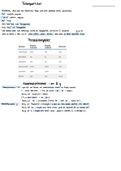
basal rot - the classification given for decay located in the lower trunk and/or base of the tree brown rot - most common on conifer trees and less common on deciduous trees. primarily decay the cellulose, leaving behind the stiff lignin and thereby reducing the bending strength of the tree loss of wood with brown rot may be faster initially than white rot causation in fact - damage, injury and or death can be traced back to the defendant's action conks/mushrooms - two types of fungal reproductive structures which is usually an indication of internal decay decay detection devices - measure resistance (can be a drill or a sound thing) duty of care - must exercise due diligence in inspecting and caring for the trees under their care failure potential - likelihood that an entire tree, or part of a tree, will break and fall within a given time period. heartwood rot - term used to describe decay that starts in the heartwood (center) of the tree increment borer - can be used to bore into trunk (or root) tissues and extract a core of wood for further examination *this tool creates a relatively large hole in the tree that can introduce or allow the spread of decay liability - legal responsibility mitigation - process of reducing failure potential; pruning is usually the primary recommendation negligence - failure to exercise due care proximate cause - injury has to be reasonably foreseeable
Written for
- Institution
- CHAPTER 12 - RISK ASSESSMENT
- Course
- CHAPTER 12 - RISK ASSESSMENT
Document information
- Uploaded on
- May 13, 2024
- Number of pages
- 2
- Written in
- 2023/2024
- Type
- Exam (elaborations)
- Contains
- Questions & answers
Subjects
-
chapter 12 risk assessment