PSYCH 265 FINAL EXAM
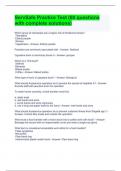
The process of how a drug travels through the body to reach its sites of action is called... - Answer-Distribution Drugs that produce the greatest increase in ________ activity in the reward center tend to be more addictive. - Answer-Dopamine Which is the part of the brain that is primary responsible for maintaining homeostasis by regulating body temperature, metabolism, appetite, and sexual behavior. - Answer-Hypothalamus An agonist drug molecule possesses both affinity and efficacy for its target receptor - Answer-True Endorphins, enkephalins, and dynorphins are examples of what type of neurotransmitter? - Answer-Neuropeptides A Schedule I controlled substance is characterized by which of the following? - Answer-No approved medical use, high abuse potential Which of the following routes of drug administration is MOST likely to have reduced bioavailability due to the first-pass effect? - Answer-Oral (metabolism is the liver circulation) The primary motor cortex, which works with other brain regions to control skilled voluntary movement, is located in which of the following lobes of the cerebral cortex? - Answer-Frontal lobe Taking drugs to achieve a pleasurable state is negative reinforcement, while taking drugs to avoid withdrawal is positive reinforcement. - Answer-False Which of the following drug types CANNOT increase activation of postsynaptic receptors? - Answer-Receptor antagonists (prevent activation of postsynaptic receptors) W
Written for
- Institution
- PSYCH 265
- Course
- PSYCH 265
Document information
- Uploaded on
- May 9, 2024
- Number of pages
- 15
- Written in
- 2023/2024
- Type
- Exam (elaborations)
- Contains
- Questions & answers