CPDT-KA Exam Questions & Answers (Graded A+)
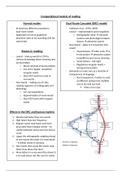
Operant Conditioning - Skinner - ANSWER-learned by association -works with VOLUNTARY behaviors - applying reinforcement or punishment AFTER the behavior Creator of this method considered a "reinforcer" something that made a behavior occur more frequently. If there was no change in the behavior, it wasn't a reinforcement. Formula: Discriminative Stimulus (your command)-Response-Consequence Classical Conditioning - Pavlov - ANSWER-Learned association between 2 events: 1 event is neutral and 1 event elicits an unconditioned response. Works with INVOLUNTARY/automatic behaviors (like drooling) and placing a neutral sign (like ringing a bell) BEFORE it. Learning - ANSWER-a change in behavior that lasts for a long time Performance - ANSWER-the doing of a behavior, doesn't mean that something was learned Discriminative Stimulus - ANSWER-Your command Temporary Criteria - ANSWER-the beginning steps of an exercise towards performing a command that is new to the dog Reward Based Training - ANSWER-uses positive reinforcement (rewards) and negative punishment (removing something the dog likes - i.e. your attention) Primary Reinforcer - ANSWER-food, water, anything dog needs for survival. Food activates parasympathetic nervous system, can calm dog, make him less fearful, & result in training process being enjoyable
Written for
- Institution
- CPDT-KA
- Course
- CPDT-KA
Document information
- Uploaded on
- April 11, 2024
- Number of pages
- 19
- Written in
- 2023/2024
- Type
- Exam (elaborations)
- Contains
- Questions & answers
Subjects
-
cpdt ka exam questions answers graded a
-
cpdt ka exam questions answers stuvia
-
operant conditioning skinner answer learned b

Also available in package deal