C787 WGU Nutrition Q&A Grade A+
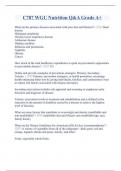
What are the primary diseases associated with poor diet and lifestyle? - Heart disease Malignant neoplasms Chronic lower respiratory disease Alzheimer disease Diabetes mellitus Influenza and pneumonia Nephritis Obesity Cancer How much of the total healthcare expenditures is spent on preventative approaches to preventable disease? - 3% Define and provide examples of prevention strategies: Primary, Secondary, Tertiary. - Primary- prevention strategies, or health promotion, encourage health-enhancing behaviors by giving individuals, families, and communities ways to reduce risk factors associated with disease and injury. Secondary-prevention includes risk appraisal and screening to emphasize early detection and diagnosis of disease. Tertiary- prevention involves treatment and rehabilitation and is defined as the reduction in the amount of disability caused by a disease to achieve the highest level of function. What are some factors that contribute to overweight and obesity (modifiable and non-modifiable)? - modifiable-diet and lifestyle non-modifiable-age, race, family history What are the Dietary Guidelines for Americans (DGAs) key recommendations? - -A variety of vegetables from all of the subgroups—dark green, red and orange, legumes (beans and peas), starchy, and other- Fruits, especially whole fruits- Grains, at least half of which are whole grains- Fat-free or low-fat dairy, including milk, yogurt, cheese, or fortified soy beverages- A variety of protein foods, including seafood, lean meats and poultry, eggs, legumes (beans and peas), and nuts, seeds, and soy product soils
Written for
- Institution
- C787 WGU Nutrition
- Course
- C787 WGU Nutrition
Document information
- Uploaded on
- March 29, 2024
- Number of pages
- 5
- Written in
- 2023/2024
- Type
- Exam (elaborations)
- Contains
- Questions & answers

Also available in package deal