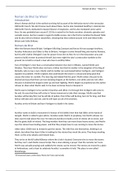
NRFSP Exam Study Guide 14 2024
Cold food can be held without temperature control for up to six hours if: - It was held at 41ºF (5ºC) or lower before removing it from refrigeration It does not exceed 70ºF (21ºC) during service -Throw out food that exceeds this temperature It has a label specifying: -Time it was removed from refrigeration -Time it must be thrown out It is sold, served, or thrown out within six hours For example, if you remove potato salad from refrigeration at 3:00 p.m. to serve at a picnic, the discard time on the label should be 9:00 p.m. This equals six hours from the time you removed it from refrigeration. Hot food can be held without temperature control for up to four hours if: - It was held at 135ºF (57ºC) or higher before removing it from temperature control It has a label specifying when the item must be thrown out It is sold, served, or thrown out within four hours If you preset tableware: - Prevent it from being contaminated; for example, you can wrap or cover the items Table settings do not need to be wrapped or covered if extra settings: - Are removed when guests are seated Are cleaned and sanitized after guests have left Refilling Returnable Take-Home Containers for Food - Some jurisdictions allow the refilling of take-home food containers. Take-home food containers must be: -Designed to be reused -Provided to the customer by the operation -Cleaned and sanitized correctly Refilling Returnable Take-Home Containers for Beverages - Some jurisdictions allow the refilling of take-home beverage containers. These can be refilled for the same customer with non-TCS food. The container must be: -Able to be effectively cleaned at home and at the operation -Rinsed with fresh, pressurized hot water before refilling -Refilled by staff at the operation or by the customer using a process that prevents contamination Re-serving Food - NEVER re-serve: Food returned by one customer to another customer Uncovered condiments Uneaten bread Plate garnishes Generally, only unopened, prepackaged food in good condition can be re-served: - Condiment packets Wrapped crackers or breadsticks, and bottles of ketchup and mustard You must protect condiments from contamination. Serve them in their original containers or in containers designed to prevent contamination. Offering condiments in individual packets or portions can also help keep them safe. Never re-serve uncovered condiments. Do not combine leftover condiments with fresh ones. Throw away opened portions or dishes of condiments after serving them to customers. Salsa, butter, mayonnaise, and ketchup are examples. Change linens used in bread baskets after each customer. Labeling Bulk Food in Self-Service Areas - Make sure the label is in plain view of the customer
Written for
- Institution
-
Chamberlain College Of Nursing
- Course
-
Nrfsp
Document information
- Uploaded on
- March 17, 2024
- Number of pages
- 3
- Written in
- 2023/2024
- Type
- OTHER
- Person
- Unknown
Subjects
-
nrfsp exam study guide 14 2024

Also available in package deal