PNCB Acute Care Questions With Correct Answers!!
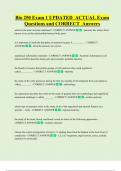
n a child with myasthenia gravis, which of the following symptoms would be MOST indicative of a myasthenic crisis? A. Eye drooling B. Respiratory distress C. Excessive salivation D. Muscle fasciculation - Answer-B. Respiratory distress (Characterized by weakness and fatigue of skeletal muscle tissue that results from autoimmune destruction of acetylcholine receptors (AchR). A crisis event, or myasthenic crisis, is an acute exacerbation of the disease process that results in severe weakness from dysfunction of the neuromuscular junctions. It is characterized by respiratory failure due to weakness of the airway or respiratory muscles. A cholinergic crisis, is a severe weakness caused by overtreatment with cholinergic medications used to treat MG & crisis present with excessive salivation, excessive lacrimation, diarrhea, sweating, pupillary constriction, and muscle fasciculation. A child with a history of congenital heart disease fell while playing and presents with a closed fracture of the humerus. Physical exam reveals mild bradycardia and a moderate pain score. Which of the following medications would MOST likely explain this child's bradycardia? A. Enalapril (Vasotec) B. Furosemide (Lasix) C. Levothyroxine (Synthroid) D. Propranolol (Inderal) - Answer-D. Propranolol (Inderal) (Decreases heart rate, myocardial contractility, blood pressure, and myocardial oxygen demand. Adverse effects include bradycardia, hypotension, and atrioventricular conduction disturbances) Enteral nutrition is initiated in a child with severe malnutrition. Laboratory values indicative of refeeding syndrome include a magnesium level of 1.5 mg/dL, and: A. Phosphate 3.0 ml/dL & potassium 2.8 mEq/L B. Phosphate 3.0 ml/dL & potassium 6 mEq/L C. Phosphate 7.0 ml/dL & potassium 2.8 mEq/LD. Phosphate 7.0 ml/dL & potassium 6 mEq/L - Answer-A. Phosphate 3.0 ml/dL & potassium 2.8 mEq/L (Refeeding syndrome occurs when malnourished patients are refed too aggressively leading. It can occur within 1-3 days after reinstitution of nutrition. The major manifestations include fluid overload, hypophosphatemia (phosphate less than 3.5 mg/dL), hypokalemia (potassium less than 3.5 mEq/L), hypomagnesemia (magnesium less than 1.8 mg/dL), and thiamine deficiency. Complications include heart failure, dysrhythmias, respiratory muscle weakness, seizures, When informing a family that a report is being made to Child Protective Services for suspected abuse, it is MOST important to A. Focus on the child's well being B. Identify the suspected perpetrator C. Identify legal requirements for mandatory reporting D. Share details with family to avoid misunderstanding - Answer-A. Focus on the child's well bei
Written for
- Institution
- PNCB Acute Care
- Course
- PNCB Acute Care
Document information
- Uploaded on
- March 13, 2024
- Number of pages
- 76
- Written in
- 2023/2024
- Type
- Exam (elaborations)
- Contains
- Questions & answers
Subjects

Also available in package deal